Lighting forms the soul of your home. It shapes mood, influences functionality, and defines the aesthetic character of your living spaces. For Singaporean homeowners, particularly those in HDB flats and condominiums, achieving the perfect balance of light is both an art and a science. The central question we encounter time and again is, “how much LED lights do I need?” This is not a query with a one-size-fits-all answer. It demands a thoughtful approach that blends measurement, design intention, and an understanding of your unique space. Moving beyond simple wattage, we will explore the precise calculations and creative considerations to craft a lighting plan that is both beautiful and brilliantly functional.
Beyond Wattage: Understanding Lumens and Light Levels
For generations, we equated brightness with wattage, selecting a 60-watt incandescent bulb for a soft glow or a 100-watt bulb for more intense illumination. The advent of LED technology has rendered this metric almost obsolete. LED lights consume a fraction of the power to produce the same amount of light. The new standard for measuring brightness is the lumen.
A lumen (lm) is a direct measure of the total quantity of visible light emitted by a source. The higher the lumen rating, the brighter the light appears. Wattage now simply indicates energy consumption. When selecting LED lights, your primary focus should be on lumens. A useful, though approximate, conversion is that a traditional 60W incandescent bulb produces about 800 lumens. Therefore, an LED bulb that delivers 800 lumens will provide similar brightness while using only 8-10 watts of power.
Calculating Your Lighting Needs: A Room-by-Room Breakdown
Different rooms serve different purposes and thus require varying levels of illumination. A well-lit home employs layers of light—ambient (general), task, and accent—to create depth and versatility. To answer “how much LED lights do I need,” we must dissect each area of your home. A fundamental starting point is the rule of thumb for ambient lighting: most rooms require 20-30 lumens per square foot.
Let’s apply this to a standard Singapore HDB living room, which might measure 300 square feet. For general ambient lighting, you would target between 6,000 and 9,000 total lumens (300 sq ft x 20-30 lm). This light could come from a combination of sources: a central ceiling light, track lighting, or several downlights.
The Living and Dining Area
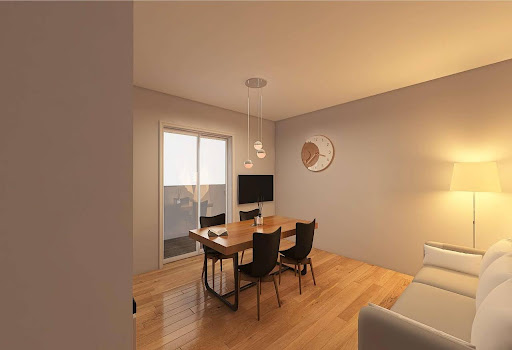
The living room is a multi-functional space for relaxation, entertainment, and family gatherings. Relying on a single, overpowering central light can create harsh shadows and an unwelcoming atmosphere. Instead, aim for the higher end of the lumen range for your ambient light and supplement it generously with task and accent lighting.
Distribute your 7,000-9,000 lumens across multiple fixtures. For example, a central fixture might provide 3,000 lumens, while the remaining light comes from floor lamps next to a reading chair, a focused light over a display shelf, and wall sconces. In the dining area, a pendant light or chandelier above the table should be bright enough to illuminate meals and conversation, typically around 3,000-4,000 lumens for a standard six-seater table, creating an intimate and inviting pool of light.
The Kitchen
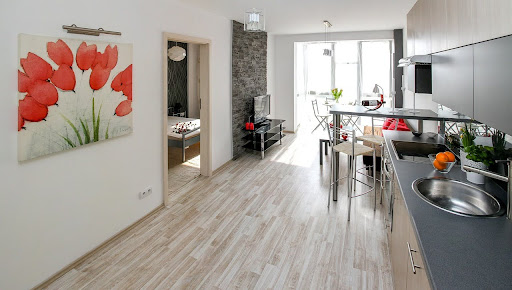
Kitchens demand clarity and safety. Under-cabinet lighting is non-negotiable for illuminating countertops, eliminating shadows cast by your body while chopping or cooking. For ambient kitchen lighting, target 30-40 lumens per square foot. In a 150-square-foot HDB kitchen, this translates to 4,500-6,000 lumens.
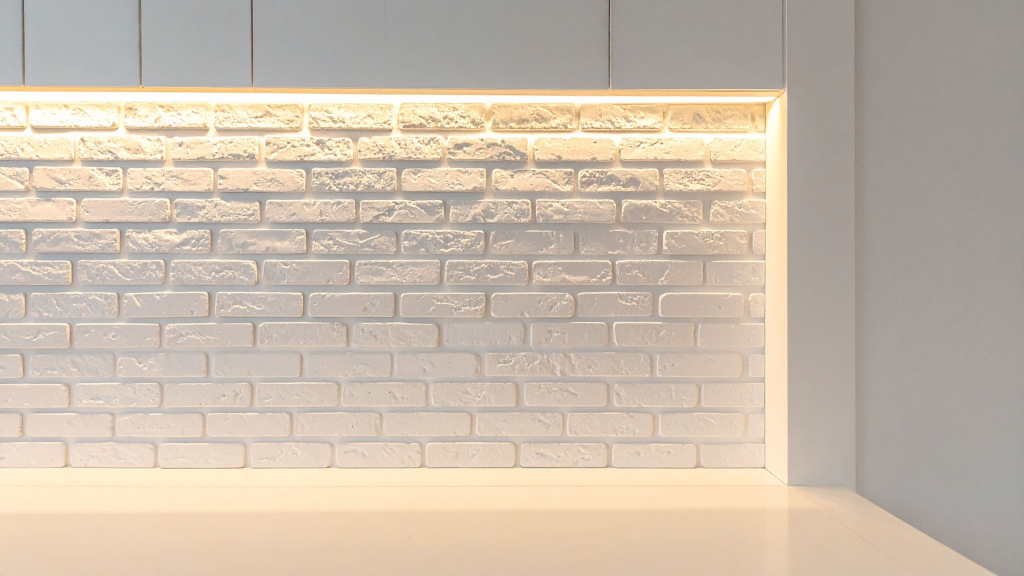
Use bright, neutral-white LEDs (around 4000K colour temperature) to ensure colours appear true when cooking. Your primary ceiling lights—often downlights or a panel light—can provide the bulk of this ambient light. Then, install dedicated LED strip lights or puck lights under your wall cabinets to flood the countertops with an additional 500-1,000 lumens of task lighting.
Bedrooms
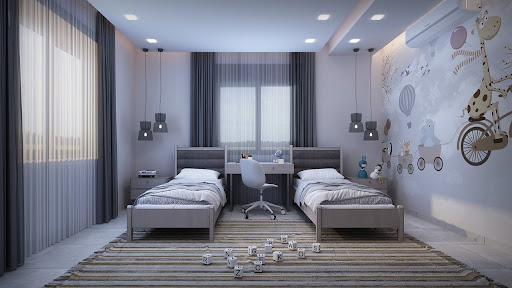
Bedrooms require a flexible and softer approach. The goal is to create a calming environment that can also accommodate reading or dressing. A lower ambient light level of 15-20 lumens per square foot is ideal. For a 200-square-foot master bedroom, this means 3,000-4,000 total lumens.
Avoid placing a single, bright light source directly over the bed. Instead, use a combination of a dimmable central light, bedside table lamps for reading (approximately 500 lumens each), and wardrobe lighting. Installing a dimmer switch is highly recommended for bedrooms, allowing you to adjust the light intensity to match the time of day and your activity.
Bathrooms
Bathroom lighting must serve two distinct functions: general illumination for safety and focused, shadow-free light at the mirror for grooming. For the main ambient light in a standard HDB bathroom, 4,000-5,000 lumens is sufficient. The critical element is the mirror lighting.
To avoid unflattering shadows on your face, install vertical sconces on both sides of the mirror or a single long, horizontal fixture above it. The light at the mirror should be bright and neutral, around 4,000K, providing an additional 1,000-1,500 lumens for precise tasks like shaving or applying makeup.
A Step-by-Step Guide to Calculating Your Total LED Needs
Lorem ipsum dolor sit amet, consectetur adipiscing elit. Ut elit tellus, luctus nec ullamcorper mattis, pulvinar dapibus leo.
| Step | Details |
|---|---|
| Step 1: Measure Your Room | Calculate the square footage (or square metres) of each room by multiplying its length by its width. |
| Step 2: Determine Lumens per Square Foot | Based on the room’s function, select the appropriate lumen target (e.g., 20 lm/sq ft for bedrooms, 30 lm/sq ft for living rooms, 35 lm/sq ft for kitchens). |
| Step 3: Calculate Total Ambient Lumens | Multiply the room’s square footage by your chosen lumen target. This gives you the total lumen output required for the room’s general lighting. |
| Step 4: Plan Your Fixture Layout | Decide on the type and number of fixtures. Will you use a central pendant, recessed downlights, track lights, or a combination? |
| Step 5: Select Your Bulbs and Sum Their Output | Choose your LED bulbs or integrated fixtures, noting their lumen output. Ensure the combined lumen output of all your planned ambient fixtures meets or slightly exceeds the total you calculated in step 3. |
| Step 6: Layer in Task and Accent Lighting | Now, add your specific lighting needs: a desk lamp, under-cabinet strips, a reading light, or picture lights. These are additional lumens that enhance functionality and style beyond the base ambient level. |
Navigating Singapore's HDB Renovation Guidelines for Lighting
Any discussion of home lighting in Singapore must acknowledge the practical constraints of HDB living. The Housing & Development Board has clear guidelines for renovation works, including those related to electrical and lighting installations. Before you finalize a plan that involves significant new wiring or the drilling of recessed lights, it is imperative to consult the official HDB guidelines for building works.
Generally, superficial work like replacing existing light fixtures and switches does not require HDB approval. However, if your lighting design involves concealing new conduits in the walls or ceiling, creating new recessed light points that require drilling into the concrete structural ceiling, or any significant electrical rewiring, you must engage a HDB-approved contractor. A professional service, like those offered by FixFirst, ensures that all work is compliant with HDB regulations, safeguarding both your home’s integrity and your family’s safety.

Bringing Your Lighting Plan to Life
A well-conceived lighting plan transforms a house into a home. It elevates everyday experiences, from preparing a meal to relaxing with a book. By shifting your focus from outdated wattage to precise lumen counts and thoughtfully layering light according to room function, you can craft an environment that is both highly practical and deeply personal.
Do not let the complexities of calculations and HDB compliance dim your vision. The expert electricians at FixFirst possess the knowledge and experience to guide you through the entire process. We can help you design a tailored lighting scheme, select the right fixtures, and execute a flawless installation that adheres to all safety standards. Contact FixFirst today for a consultation, and let us help you illuminate your Singapore home to perfection. Explore our full range of electrical and handyman services to bring all your home improvement projects to life.