Rewiring
A rewiring job, performed by an electrician of course, is typically done in order to address extensive damage to wiring insulation or severed wires. It is also done if you are upgrading your HDB flat’s wiring system. Rewiring effectively increases the HDB flat’s overall capacity by setting up new power outlets and dedicated circuits for appliances with high electrical loads. Examples of such appliances are air conditioners, water heaters, and refrigerators, which can be safely integrated into the existing electrical wiring system if they have their own circuit and circuit breaker. Rewiring can also come hand in hand with the installation of an electrical distribution box or fixing a wiring defect that causes circuit breakers to trip repeatedly.
What Are the Signs You Need Rewiring for Your HDB Flat
If your lights tend to dim whenever you turn on an appliance, you might want to consider rewiring to increase your home’s electrical capacity. And, if you see a heat-damaged wire, melted power socket, or burnt marks on a switch, you are risking it if you simply attempt a DIY fix. Fuses that blow up frequently also indicate serious trouble in the electrical line which might call for rewiring. Hire an electrical service professional to check what’s causing the electrical fault. A full-on rewiring might be the recommended course of action.
Peeling or cracking wiring insulation also necessitates rewiring, not an electrical tape. And so is the noxious smoky smell coming off a power outlet. The smell of smoke from an electrical fire is distinctive–it is bitter, metallic, and tinged with the odor of burning rubber. Smoke coming out of a power outlet is an emergency situation that demands quick, decisive action. When you see or smell smoke, do not do any troubleshooting. Just switch off the circuit breaker associated with the smoking power socket. If you can’t tell which circuit breaker goes with the circuit connected to the smoking power outlet, it is best to turn off the power on the electrical distribution box. This cuts off the power supply to your home. Leave it off and then call an electrician.

Rewiring Safety Guidelines
The HDB has specific guidelines for electrical work–including rewiring and even simply covering the wire with PVC trunking–in flats equipped with the usual 40 amps main switch. The guidelines only cover the type of electrical works that do not require an HDB permit. Here are some of the important rewiring-related points.
- Rewiring to accommodate appliances whose power rating exceeds 15 amps is not allowed.
- Rewiring for a 20-amp isolator is only allowed if it is contingent with the installation of an air conditioning unit.
- Electrical wiring must not be embedded “in RC slab, beam, column, wall, in wall plaster or other finishes.”
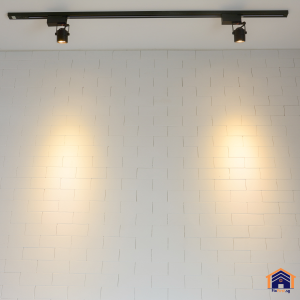
- Wiring extensions and rewiring for fans, lamps, track light installations, and other electronic items are not restricted but still inevitably subject to the main switch rating of 40 amps.
- To test new electrical wiring, HDB owners must submit the SPSL Form CS/5H endorsed by the HDB. You can read the rest of the guidelines here.
Navigating HDB Rewiring Packages in Singapore (2025-2026)
The electrical wiring within your HDB flat forms the silent, unseen circulatory system of your modern home. Much like the arteries in a living body, these concealed wires and circuits carry the lifeblood of power to every appliance, light, and device. However, this system has a finite lifespan. For the vast number of HDB flats built between the 1980s and early 2000s, the period of 2025-2026 represents a critical window where proactive rewiring transforms from a discretionary upgrade into a non-negotiable imperative for safety and functionality. Understanding the packages, costs, and technical considerations for this significant home improvement project is essential for every responsible homeowner.
The primary catalyst for a full rewiring project is age. The Housing & Development Board itself recommends a comprehensive electrical rewiring every 20 to 30 years. This timeline aligns with the degradation of cable insulation, which can become brittle and cracked over decades of heat cycling and load. For a flat that is 20 years or older, the risks associated with outdated wiring escalate dramatically. These risks include a higher probability of electrical shocks, frequent circuit breaker tripping, power fluctuations that can damage sensitive electronics, and, most severely, an increased potential for electrical fires originating within the walls. The project, therefore, is not merely about convenience; it is a fundamental investment in the safety and security of your household.
When evaluating HDB rewiring packages for 2025-2026, homeowners will encounter a market structured around a core set of components, with pricing tiers reflecting the scale and quality of materials. A standard package typically encompasses a complete overhaul of the electrical circuitry from the main distribution board outward. This includes replacing all existing wires with new, high-grade copper cables, installing a modern consumer box with new Residual Current Circuit Breakers (RCCBs) and Miniature Circuit Breakers (MCBs), and upgrading all power outlets to the latest 3-pin, grounded design. The scope of work often covers essential points in living rooms, bedrooms, kitchens, and bathrooms.
The financial outlay for such a project is a key consideration. For a standard 4-room HDB flat, comprehensive rewiring packages in the current market typically range from SGD $2,500 to $3,800. For larger 5-room or executive flats, homeowners should anticipate a range of $3,000 to $4,500 or more. This variance in cost is not arbitrary; it hinges on several critical factors. The number of power points and lighting points you require directly influences the price, as more points demand more cabling, more conduits, and more labour. The choice between standard-grade and higher-specification, fire-resistant cables will affect the material cost. Furthermore, the complexity of your flat’s layout and the accessibility of existing wiring channels can either streamline the process or introduce additional labour hours for chasing new grooves and making good the walls afterward.
Beyond the standard package, the rewiring landscape in 2025-2026 is increasingly shaped by demand for specialized circuits that cater to a contemporary digital and eco-conscious lifestyle. A forward-thinking rewiring project now often includes dedicated, high-amperage lines for high-consumption appliances like air conditioners and instantaneous water heaters, which enhances both safety and performance. With the rise of electric vehicles, some homeowners are even pre-empting future needs by installing conduits from their distribution board to the carpark, facilitating a simpler EV charger installation later. Similarly, dedicated data conduits for ethernet backbones ensure robust networking capabilities throughout the home, future-proofing the property against evolving digital demands.
The execution of a rewiring project is a profoundly invasive procedure. It requires licensed electricians to cut open walls and ceilings to run new conduits and cables, a process that generates significant dust and disruption. This is where the distinction between a mere electrician and a full-service provider becomes apparent. The most reputable firms not only execute the electrical work to the strict standards set by the Energy Market Authority (EMA) and SP PowerGrid but also manage the subsequent reinstatement work. This includes skilled patching, plastering, and sanding of all affected walls to restore them to their original condition, a service that is often included in premium packages or available as a critical add-on. Selecting a provider who offers this end-to-end solution—from certified electrical work to flawless aesthetic reinstatement—ensures the project concludes not just with a safer electrical system, but with a home returned to its pre-renovation state of finish.
Frequently Asked Questions (FAQs) – Rewiring
Electrical rewiring involves replacing old, damaged, or outdated electrical wiring in a property with new wiring. This process ensures that the electrical system is safe, efficient, and compliant with current standards. Rewiring may also include upgrading the distribution box, sockets, switches, and other components.
Rewiring is necessary to:
- Ensure safety. Old or faulty wiring can cause electrical fires, shocks, or short circuits.
- Improve efficiency. Modern wiring supports higher electrical loads and reduces energy wastage.
- Meet current standards. Older wiring may not comply with updated electrical codes and regulations.
Accommodate new appliances. Rewiring ensures your system can handle the demands of modern electronics and appliances.
Signs that your property may need rewiring include:
- Frequent power trips or blown fuses.
- Flickering lights or inconsistent power supply.
- Burning smells or scorch marks near outlets or switches.
- Outdated wiring (e.g., rubber-insulated or aluminum wiring).
- Sparks or buzzing sounds from electrical outlets.
- Lack of grounding or insufficient sockets for modern needs.
The lifespan of electrical wiring depends on the type of wiring and usage. On average, wiring should be inspected every 10-15 years and replaced every 20-30 years. However, if you notice any signs of wear or damage, rewiring may be needed sooner.
No, you should never connect a light fixture directly to the mains electrical wires. A safe and compliant installation requires several critical components that a direct connection bypasses. These include a secure junction box to contain all wire connections, proper earthing (grounding) for safety, and the correct use of wire connectors and cable management to prevent shorts, arcs, and electrical fires. Attempting a direct connection is extremely hazardous and violates Singaporean electrical safety standards. This is a task that demands the expertise of a licensed electrician.
While the general process involves connecting the live, neutral, and earth wires from the power supply to the corresponding terminals on the new socket, we strongly advise against attempting this yourself. The significant risks include accidental electric shock, creating a loose connection that can overheat and cause a fire, or damaging the fixture. A licensed professional ensures the circuit is safely isolated, uses the correct tools and connectors, and performs a final check to confirm the installation is secure and fully compliant with safety codes. For your safety, always contact a qualified electrician for light socket repairs.
Rewiring a pull-down light, like those commonly found in HDB kitchens, involves complex internal wiring and mechanical components within the housing. Disassembling the unit incorrectly can damage the spring-loaded mechanism or the internal wires. Furthermore, ensuring the new wiring is routed correctly to avoid pinching or fraying when the light is pulled requires specific knowledge. Due to this complexity and the high risk of creating a fault that could cause the light to fail or become dangerous, we recommend professional servicing or replacement of the entire unit by a skilled technician.
Fairy lights are typically low-voltage and not designed to be rewired once a section fails. The thin, delicate wires are difficult to solder or splice reliably. Attempting to repair them often results in a temporary fix that can overheat or create a short circuit. The safest and most effective solution for faulty fairy lights is to replace the entire string. If you are experiencing issues with the power adapter or plug for your fairy lights, this could indicate a problem with your mains socket, which is a separate issue that a licensed electrician should investigate.
Rewiring is a complex and dangerous task that should only be performed by a licensed electrician. Improper rewiring can lead to electrical fires, equipment damage, or personal injury. Always hire a professional to ensure the job is done safely and in compliance with local regulations.
The cost of rewiring depends on factors such as the size and layout of your property, type and quality of materials used, complexity of the job (e.g., accessibility, number of circuits), as well as labor costs and any additional upgrades (e.g., new sockets or switches). At FixFirst, we provide transparent pricing and will give you a detailed quote after assessing your specific needs.
The duration of rewiring depends on the size and complexity of the project. For a typical HDB flat or condo, rewiring may take 2-5 days. Larger properties or commercial spaces may take 1-2 weeks. Our team will provide an estimated timeline after evaluating your property.
For small-scale rewiring projects, you may not need to move out. However, for extensive rewiring, it may be more convenient to temporarily relocate, especially if walls need to be opened or if power will be shut off for extended periods. Our team will work with you to minimize disruption.
We provide rewiring services across Singapore. Contact us to confirm availability in your location.
At FixFirst, we adhere to strict safety standards and regulations, including Singapore Electrical Code of Practice (CP5), Energy Market Authority (EMA) guidelines, and Building and Construction Authority (BCA) requirements. Our rewiring projects are designed to ensure safety, reliability, and compliance with all local laws.
Yes, partial rewiring is possible if only certain areas or circuits need attention. However, for older properties, a full rewiring is often recommended to ensure the entire system is safe and up to code.
We use high-quality, durable materials, including copper wiring for superior conductivity and safety, PVC-insulated cables for protection against heat and moisture, modern circuit breakers, and certified sockets and switches.
Rewiring may require opening walls, ceilings, or floors to access and replace wiring. However, our team will minimize disruption by using existing conduits where possible and ensuring all openings are properly repaired and restored after the work is completed.
Yes, rewiring is an excellent opportunity to upgrade your electrical system. Upgrades may include installing additional sockets and switches, upgrading to a higher-capacity distribution box, adding dedicated circuits for high-power appliances, and incorporating smart home technology or energy-efficient lighting.
Yes, we offer rewiring services for both residential and commercial properties. Whether you need to rewire a home, office, or retail space, our licensed electricians have the expertise to handle the job.
To prepare for rewiring, clear the areas where electricians will be working. Remove furniture or cover it to protect against dust. Then inform your family or employees about the schedule and potential disruptions.
Yes, rewiring is an ideal time to add more circuits to accommodate additional appliances or improve electrical distribution. Let us know your requirements, and we’ll design a system that meets your needs.
Booking is easy! You can call or Whatsapp us at 89107700 or email us at admin@fixfirst.sg. Our team will schedule a convenient time for your service.
Yes, we offer a wide range of electrical services, including distribution box installation, circuit breaker replacement, lighting installation and repair, power trip recovery, as well as electrical inspections and maintenance.
If you have additional questions or need assistance, our friendly customer support team is here to help. Feel free to reach out to us via phone, WhatsApp, or email. We’re always happy to assist!