Track lighting is a versatile and modern lighting solution that has gained popularity in Singaporean homes for its flexibility, sleek design, and ability to highlight specific areas. Whether you’re looking to illuminate artwork, enhance task lighting in the kitchen, or create an ambient atmosphere in the living room, track lighting offers a customizable approach. This guide explores what is track lighting, how to choose the right system, track lighting installation methods, maintenance, and answers to frequently asked questions.

What Is Track Lighting?
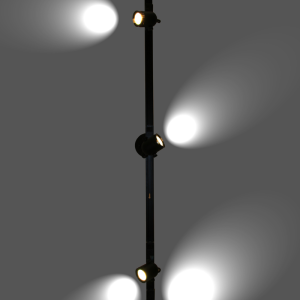
Track lighting consists of a linear track that carries electrical current, with adjustable light fixtures (called heads) that can be moved along the track. This system allows homeowners to direct light precisely where it’s needed, making it ideal for accent, task, or general lighting. Unlike traditional ceiling lights, track lighting offers flexibility in positioning and style, adapting to various interior designs.
How To Choose Track Lighting
Selecting the right track lighting involves considering several factors:
- Track Type: The most common systems are H-track, J-track, and L-track, each with different compatibility standards. Ensure the track and heads are compatible before purchasing.
- Lighting Purpose: Decide whether you need ambient, task, or accent lighting. For example, kitchens benefit from bright, focused lighting, while living rooms may require softer, adjustable illumination.
- Aesthetic Appeal: Tracks come in various finishes (black, white, brushed metal) to match your décor. Consider whether a minimalist or industrial look suits your space.
- Bulb Type: LED track lights are energy-efficient and long-lasting, while halogen and incandescent bulbs offer warmer tones but consume more power.
- Dimmability: If you prefer adjustable brightness, opt for dimmable track lights and compatible switches.
Track Lighting Installation
Key Considerations for Installing Track Lighting
Proper installation is crucial for safety and performance. Below are key considerations for different scenarios:
How To Install Track Lighting
The basic steps include turning off power, mounting the track, wiring it to the electrical source, and attaching the light heads.
How To Install Track Lighting Heads
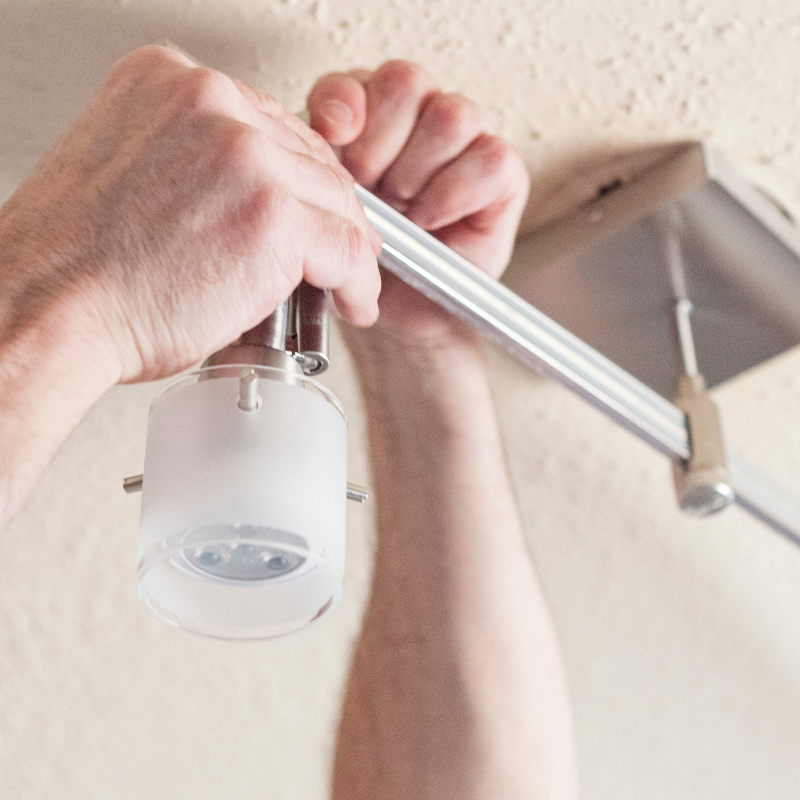
Most heads simply twist or clip onto the track. Ensure they are securely attached and properly aligned.
How To Install Track Lighting on a Beam
Use heavy-duty screws and anchors to secure the track to wooden or metal beams. Ensure the track is level before finalizing.
How To Install Track Lighting on Concrete Ceiling
Concrete requires specialized drill bits and anchors. A professional electrician may be needed for proper drilling and secure mounting.
How To Install Track Lighting on Wall
Wall-mounted tracks are ideal for highlighting artwork or shelves. Use sturdy brackets and ensure proper weight distribution.
How To Install Track Lighting with Existing Fixture
If replacing a ceiling light, the existing junction box can often support the new track. But, verify wiring compatibility before proceeding.
How To Install Track Lighting Without Existing Fixture
For new installations, a junction box must be installed first. Alternatively, plug-in track lighting can be used for easier setup.
How To Install Track Lighting Without Junction Box
Some plug-in or low-voltage systems don’t require a junction box, but hardwired installations typically do for safety.
How To Install Plug-In Track Lighting
These systems connect directly to a wall outlet, making them ideal for renters or temporary setups.
How To Install IKEA Track Lighting
IKEA’s track lighting systems often come with user-friendly instructions. Make it a point to ensure compatibility with Singapore’s voltage standards (230V).
Maintenance and Adjustments
How To Manage Track Lighting Tasks
Proper maintenance and setup are essential for optimal performance of your track lighting. Here’s how to handle common tasks:
How To Connect Track Light
Ensure proper wiring connections—black to black (live), white to white (neutral), and green/bare to ground.
How To Change Bulb for Track Light
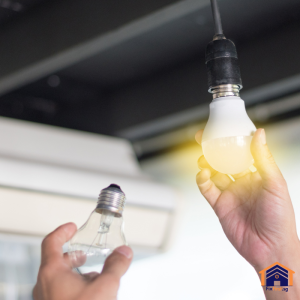
Turn off the power, gently remove the old bulb, and replace it with a compatible one. LED modules may require unclipping instead of unscrewing.
How To Change Track Lighting Bulb
Similar to standard bulbs, ensure the replacement matches wattage and base type (GU10, MR16, etc.).
How To Change Track Lights Position
Loosen the fixture’s locking mechanism, slide or rotate it along the track, and retighten.
How To Clean Track Lighting
Dust the track and heads regularly. For deeper cleaning, use a microfiber cloth and mild cleaner, avoiding electrical components.
How To Replace LED Track Lighting
Replacing LED track lighting involves more than just swapping out a fixture. Modern track systems integrate both the light source and the housing, requiring attention to compatibility, wiring, and design continuity. Start by turning off the power at the circuit breaker to ensure safety. Next, detach the old LED fixture by loosening the mounting screws or twisting it counterclockwise, depending on the track system (H, J, or L-type). Check the connector pins. Some models clip into place, while others require a gentle tug. Before installing the new LED track light, verify voltage compatibility and ensure the track’s load capacity can handle the replacement. Align the new fixture’s connectors with the track’s conductive strips, then secure it by tightening the screws or twisting it clockwise. Restore power and test the light.
How To Replace a Track Light Bulb
Unlike integrated LED fixtures, traditional track lights use replaceable bulbs, making maintenance simpler. Begin by switching off the power to avoid electrical hazards. Most track light bulbs sit inside a housing secured with a retaining clip, ring, or screw-on cover. Remove the cover carefully. Some models require gentle pressure, while others twist off. Moreover, identify the bulb type (halogen, incandescent, or LED) and match the replacement’s base (GU10, MR16, or PAR20). Avoid touching halogen bulbs with bare hands, as oils from skin can shorten their lifespan. Insert the new bulb firmly but without excessive force to prevent damage. Reattach the cover and restore power.
How To Replace Track Lighting Bulbs
Track lighting bulbs vary by fixture design, so understanding the specific replacement process ensures a smooth upgrade. Always power down the circuit before handling any electrical components. First off, open the fixture’s housing. Some have knurled knobs, while others use spring-loaded clips. Pay attention to the bulb’s wattage and base type to avoid mismatches. If replacing multiple bulbs in a series, opt for uniform models to maintain consistent brightness and color temperature. For directional spotlights, ensure the new bulbs align correctly within the housing to avoid uneven illumination.
Conclusion
Track lighting is a dynamic and practical choice for Singaporean homes, offering versatility in design and functionality. By understanding what is track lighting, how to install and maintain it, and selecting the right system, homeowners can achieve both aesthetic appeal and effective illumination. Whether used in kitchens, living rooms, or galleries, track lighting remains a timeless and adaptable solution.

Frequently Asked Questions (FAQs) on Track Lighting Systems
No, tracks vary by brand and type (H, J, L). Always check compatibility.
Initial costs may be higher, but flexibility and energy efficiency can offset long-term expenses.
Additional track sections can be connected using manufacturer-approved connectors.
No, compatibility depends on the track system.
Yes, especially with LED options. Multiple heads enhance brightness.
Many are, but ensure bulbs and dimmer switches are compatible.
Halogen bulbs get hot, but LEDs remain cool.
No, track systems differ by brand and region.
Some tracks can be cut, but check manufacturer guidelines.
With proper placement and sufficient heads, yes.
Electricity runs through the track, powering attached fixtures.
Heads draw power from the track and can be repositioned.
Typically 2-3, depending on size and wattage.
Depends on room size—calculate based on lumens per square meter.
Check total wattage to avoid overloading (usually 8-10 LED heads per circuit).
Around SGD 50-150, depending on complexity.
Basic systems start at SGD 100, while premium setups exceed SGD 500.
Prices vary, but expect SGD 150-800 depending on brand and features.
Check connections, replace faulty bulbs, or consult an electrician for wiring issues.
Loosen fixtures and reposition as needed.
Use multiple heads at different angles for even illumination.
Halogen bulbs generate heat; switching to LEDs reduces this issue.
Lighting stores, IKEA, or online retailers like Lazada and Shopee.
Hardware stores, lighting specialists, or online platforms.
Above workspaces, along walls, or over dining areas
Aim for 30-45 degrees from the object being illuminated.
Recessed lights, pendant lights, or flush mounts are alternatives.
Accent, task, and ambient lighting in homes and commercial spaces.
Black offers contrast, while white blends with ceilings.
Yes, with proper bulb selection and placement.
Multiple heads can provide sufficient brightness.
Yes, especially for task lighting over countertops.
Modern designs keep it relevant and stylish.
Adjust heads to highlight features or provide general illumination.
Replace outdated heads with LED options or repaint the track.
Rotate heads to direct light where needed.
Loosen and slide fixtures along the track.
Use symmetrical layouts, complementary finishes, and layered lighting.
For professional lighting installation and maintenance services in Singapore, contact FixFirst today!