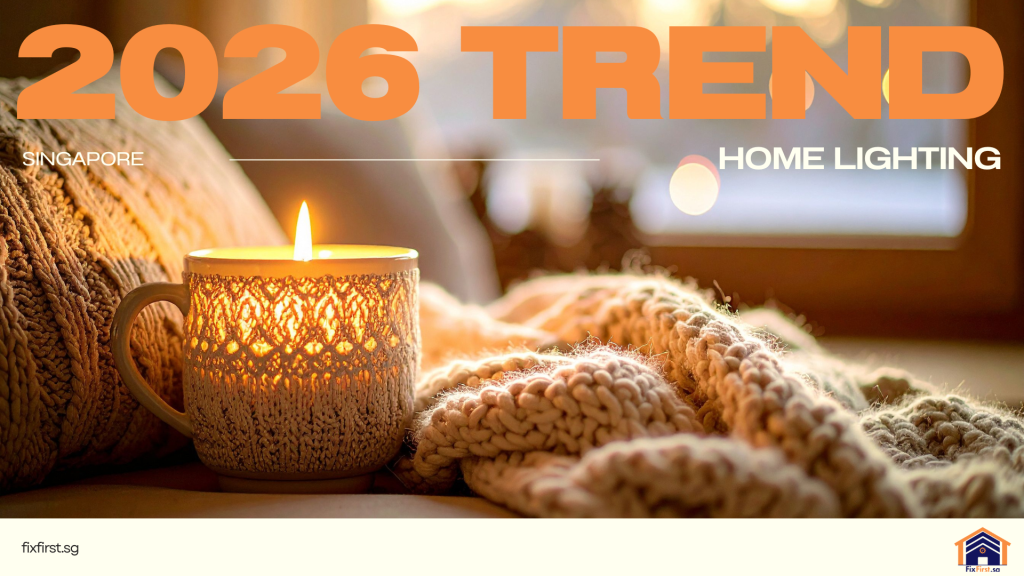
Gone are the days when a single ceiling fixture could light a Singaporean home. As we move into 2026, lighting transforms from a mere functional element into a core component of interior design, personal wellness, and technological integration. For HDB and condo dwellers, this shift presents an exciting opportunity to redefine their living spaces. The future of illumination focuses on creating dynamic, layered environments that respond to our needs, moods, and the unique constraints of urban living. This guide explores the defining trends that will brighten Singaporean homes in 2026.
Human-Centric Lighting: Aligning Your Home with Your Biology
The most significant trend gaining momentum is Human-Centric Lighting (HCL). This approach moves beyond static brightness to lighting that supports our natural circadian rhythms. In a climate where we spend most of our time indoors, HCL systems mimic the sun’s daily progression. Imagine lights that emit cool, energizing blue-white tones in the morning to kickstart your day, gradually shifting to warm, amber hues in the evening to promote melatonin production and prepare your body for rest.
For Singapore homes, this means installing smart, tunable-white LED systems in key areas. You can program your bedroom and living room lights to follow a pre-set schedule, creating a more natural wake-sleep cycle despite the constant urban glow outside your window. This trend speaks directly to a growing desire for homes that actively contribute to health and well-being, turning every room into a sanctuary for biological harmony.
Layered Lighting Design
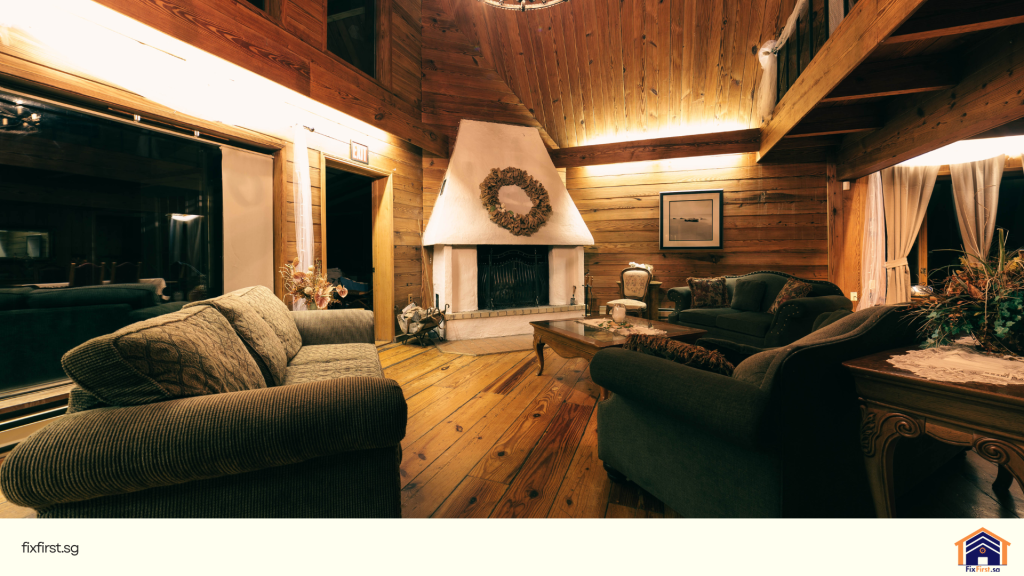
Monotony in lighting is officially out. The sophisticated approach for 2026 involves a deliberate strategy of layered lighting. This method uses three distinct types of light to build depth, functionality, and atmosphere within a space.
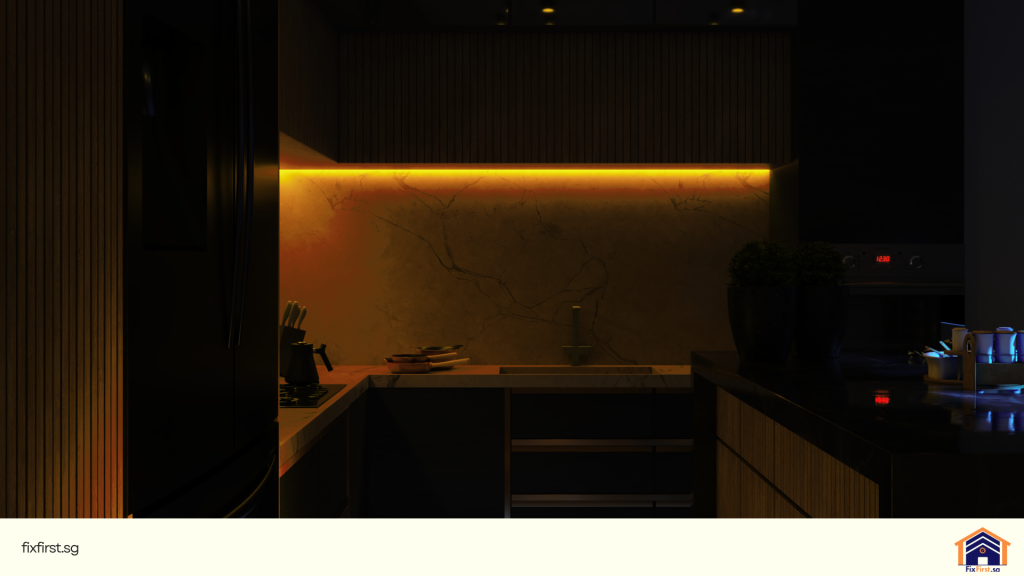
Ambient lighting forms the base layer, providing general illumination. Instead of a single harsh central light, homeowners now choose recessed downlights, sleek track lighting, or softly diffused ceiling lights that wash the walls with a gentle glow. Task lighting, the second layer, brings focused brilliance to areas where specific activities occur. This includes under-cabinet LED strips for kitchen countertops, adjustable swing-arm lamps for reading nooks, and precise pendant lights over dining tables. The final layer, accent lighting, adds the dramatic flourish. It highlights architectural features, art pieces, or bookshelves, creating points of visual interest and making a room feel larger and more dynamic. This trio of layers gives you complete command over your environment’s look and feel.
Statement Sculptural Lighting as Functional Art
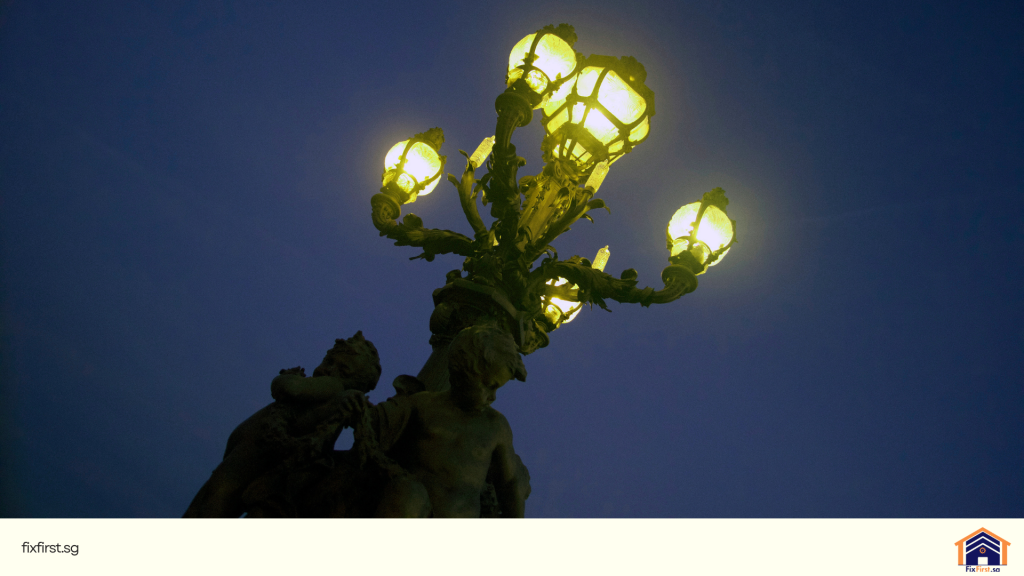
Lighting in 2026 confidently steps into the spotlight as a primary art form. Statement sculptural pieces serve as the focal point of a room, blending illumination with striking design. Think of an organic, freeform chandelier in the living room that resembles a piece of modern sculpture, or a series of asymmetrical, geometric pendants suspended at different heights over a staircase.
These pieces demand attention and spark conversation. They work exceptionally well in open-concept HDB living areas, where they can define a space without the need for physical partitions. Materials play a key role here, with rattan, blown glass, and polished metals adding texture and personality. This trend celebrates individuality, allowing homeowners to express their style through a fixture that is both a light source and a masterpiece.
Integrated and Invisible Light Sources
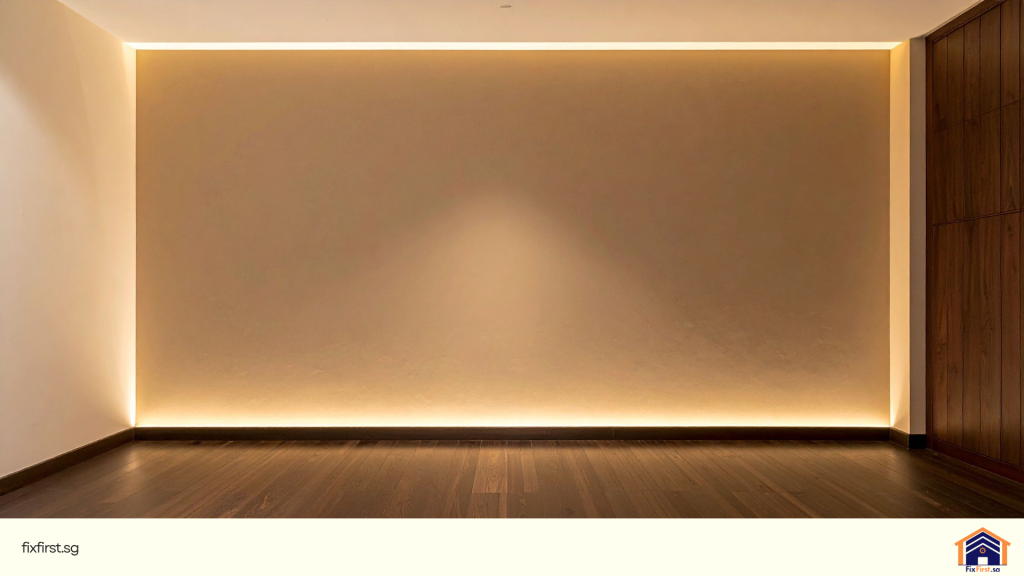
A counter-trend to bold sculptural pieces is the rise of completely integrated and invisible lighting. This approach prioritizes a clean, minimalist aesthetic where the light source itself is concealed, and the effect is everything. LED cove lighting along ceilings, indirect linear strips behind valances, and discreet in-floor uplights are prime examples.
This creates a soft, ambient radiance that seems to emanate from the architecture itself, eliminating glare and visual clutter. It is a perfect solution for smaller Singaporean rooms, as it makes ceilings appear higher and spaces feel more open. The technology behind this—thin LED profiles, flexible strips, and advanced diffusers—has become more accessible, allowing for custom installations that blend perfectly with modern and minimalist interior themes.
Sustainable and Energy-Conscious Illumination
Sustainability is no longer a niche concern but a central driver of consumer choice. The focus in 2026 extends beyond just using LED bulbs. Homeowners now consider the entire lifecycle of a lighting product. This includes fixtures made from recycled or rapidly renewable materials like bamboo and certified wood, and brands that adopt minimal, plastic-free packaging.
Energy consciousness also ties directly into smart home integration. Lights connected to a central system can be scheduled to turn off automatically in unoccupied rooms, and sensors can adjust brightness based on the amount of natural daylight available. This dual focus on material sustainability and operational efficiency reflects a mature, holistic approach to eco-friendly living that resonates deeply in resource-conscious Singapore.
Smart Lighting Integration and Voice-First Control
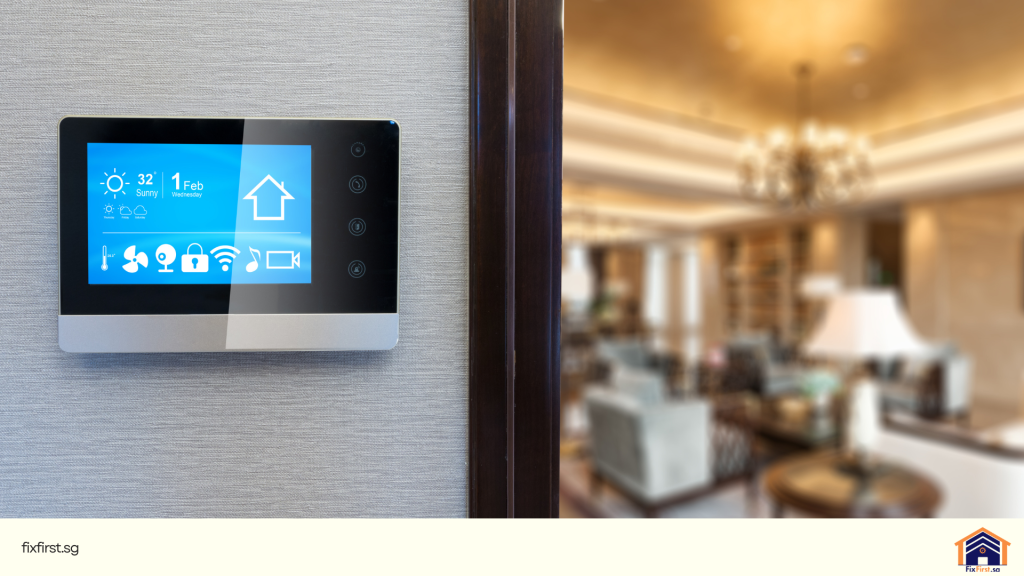
The smart home is now an expected standard, and lighting sits at its heart. The trend for 2026 is not just about remote control via an app, but about creating deeply integrated, voice-first ecosystems. Lighting systems will communicate with other smart devices, triggering actions based on routines. A “Good Morning” command could gradually brighten the bedroom lights while the smart blinds open and the coffee machine starts.
The emphasis is on reliability and simplicity. Colour-changing smart bulbs allow for instant mood setting—vibrant for a party, calm for a movie night—all without moving from your seat. For a nation that embraces technology for convenience, this level of control over the home environment is becoming not just a luxury, but a fundamental aspect of modern living.
Bringing the 2026 Lighting Trends Home
Transforming these trends from concept to reality requires thoughtful planning and skilled execution. Upgrading your lighting often involves electrical work that must align with Singapore’s strict HDB and BCA regulations. From installing new circuits for smart systems to safely embedding invisible LED strips, the technical details are critical.
This is where professional expertise becomes invaluable. A qualified electrician can ensure your visionary lighting design is implemented safely, efficiently, and in full compliance with local codes. They can advise on the best products, handle complex installations, and help you build a layered lighting scheme that truly enhances your daily life.
The world of home lighting is shining brighter and smarter than ever. The trends of 2026 offer a powerful way to enhance your space, support your well-being, and express your personal style. Don’t just live in the light. Command it. Electricians at FixFirst are here to help! From installing smart circadian systems to mounting stunning statement pieces, we handle every detail with precision and care. Contact us for a consultation and let’s build your brilliantly illuminated future.