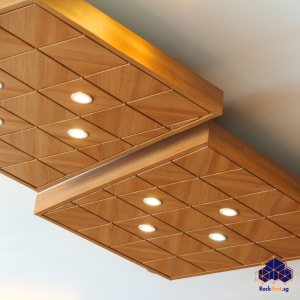
Recessed lighting, also known as downlights or can lights, is a popular choice for modern homes in Singapore due to its sleek, minimalist design and ability to provide even illumination. However, homeowners often wonder whether this lighting solution is expensive compared to alternatives like track lighting or pendant lights. The answer depends on several factors, including installation complexity, fixture quality, and long-term energy efficiency.
Key Cost Considerations for Recessed Lighting in Singapore
- Upfront Costs: Fixtures and Installation
Recessed lighting costs vary based on the type and quality of fixtures:
- Basic LED Recessed Lights: $20 to $50 per unit
- Premium Smart-Ready Downlights (e.g., Philips Hue, WiZ): $60 to $150 per unit
- High-CRI (Color Rendering Index) Lights (for better color accuracy): $80 to $200 per unit
Installation Costs
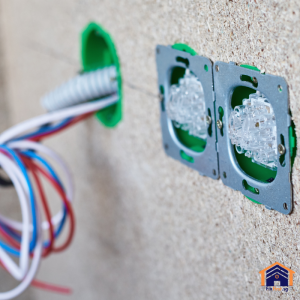
Since recessed lighting requires ceiling cutouts and electrical wiring, professional installation is recommended. In Singapore, electricians typically charge $30 to $80 for standard installations. Complex Installations (concrete ceilings, false ceilings, or retrofitting), on the other hand, can cost between $80 to $150 per light. Our charges for professional lighting installation services here at FixFirst are incredibly reasonable and affordable; simply send us information (preferably photos of where you want to set up the recessed lighting) over Whatsapp so we can give you a quote.
- False Ceiling vs. Concrete Ceiling Installations
- False Ceiling or Drop Ceiling (e.g., gypsum or plasterboard): Easier to install, lower labour costs.
- Concrete Ceiling: Requires core drilling, increasing labour and time (costs 20–50% more).
- Energy Efficiency and Long-Term Savings
While recessed lighting has a higher upfront cost than traditional bulbs, LED downlights consume 80–90% less energy than incandescent bulbs. Over time, this leads to significant savings on electricity bills, which is especially important in Singapore where energy costs are relatively high.
- Maintenance and Replacement Costs
- LED Downlights: Last 25,000–50,000 hours (10+ years with normal use).
- Halogen or CFL Recessed Lights: Cheaper upfront but require frequent replacements.
Can a Handyman Install Recessed Lighting?
Recessed lighting installation typically occurs during the early stages of renovation, when electrical wiring and ceiling modifications are still underway. At this phase, you’re more likely to hire an electrician rather than a handyman, as the job involves technical expertise in wiring and compliance with safety standards. However, FixFirst bridges this gap by offering both electrician and handyman services, ensuring a seamless process from wiring to fixture installation.
Another key factor is the presence of a false ceiling, which is necessary for recessed lighting. Most HDB units don’t come with false ceilings, so installing recessed lights often requires significant structural work. If your home already has a false ceiling, FixFirst’s skilled handymen can carefully cut into it and mount the recessed lights without compromising structural integrity. For homes without one, an electrician may need to handle the initial wiring before a handyman completes the installation. Either way, FixFirst provides the right professionals to ensure a safe and polished finish.
Are Regular Bulbs Compatible with Recessed Lighting?
A common question homeowners ask is, ‘Can I use regular bulbs in recessed lighting?’ The answer depends on the fixture type. Traditional recessed lighting often requires recessed-specific bulbs, such as BR (bulged reflector) or PAR (parabolic aluminized reflector) bulbs, which direct light downward efficiently and fit properly in the housing. Standard A19 bulbs may not sit flush or distribute light correctly, leading to poor illumination and potential overheating risks.
However, some modern recessed fixtures come with adapters or Edison screw bases, allowing you to use regular LED bulbs if they meet heat and size requirements. Always check the manufacturer’s guidelines because using the wrong bulb can reduce efficiency, shorten bulb life, or even pose a fire hazard. For optimal performance and safety, consult FixFirst’s lighting experts to confirm compatibility or recommend the best energy-efficient alternatives for your setup.
How To Measure Ceiling for Recessed Lighting
Proper measurement ensures balanced lighting and avoids overcrowding. Start by determining the ceiling height. Standard 8-foot ceilings typically need 4-inch to 6-inch fixtures spaced 4 to 6 feet apart. For higher ceilings, increase the fixture size and adjust spacing accordingly.
Use the “half the ceiling height” rule as a guideline. If your ceiling is 10 feet high, space lights approximately 5 feet apart. Mark positions with painter’s tape before cutting holes to visualize the layout. Consider room function as well. Task areas like kitchens may need tighter spacing, while living rooms benefit from wider, ambient arrangements.
How To Change Recessed Light Bulb on High Ceiling
Replacing bulbs on high ceilings requires safety precautions. Use a sturdy ladder with a stabilizer bar and have a helper spot you. For extra-high ceilings, an extendable bulb changer tool with a suction cup or gripper attachment simplifies the process. Twist-and-lock GU10 or MR16 bulbs require a gentle counterclockwise turn for removal. If the bulb is stuck, wear gloves to improve grip. For screw-in bulbs (like BR30 or PAR38), turn counterclockwise until loose. Always switch off the power at the breaker to prevent electrical hazards.
How To Replace LED Recessed Light Bulb
Many modern recessed lights use integrated LED panels rather than replaceable bulbs. If your fixture has a removable LED bulb, check the base type (GU24, E26, etc.) before purchasing a replacement. Some LED retrofit kits include a trim and driver, requiring full unit replacement rather than just a bulb swap. For screw-in LED bulbs, ensure wattage and color temperature (e.g., 2700K for warm white) match the existing setup. If the LED is flickering or dimming prematurely, the issue may lie with the driver rather than the bulb, necessitating professional inspection.
How To Change Recessed Light Bulb with Cover
Fixtures with covers (lens or diffuser panels) add an extra step. First, gently pry the trim downward using your fingertips. Many spring-loaded trims detach easily. If the cover is held by screws, remove them carefully. Once the cover is off, access the bulb. For flush-mounted LED panels, check if the entire unit needs replacing. Clean the cover before reattaching to maintain optimal brightness. Avoid overtightening screws to prevent cracking.
How To Remove a Recessed Ceiling Light
Complete removal may be necessary for upgrades or repairs. Turn off the power and detach the trim as described above. Locate the mounting clips (usually spring-loaded) and squeeze them inward to release the housing. Then lower the fixture carefully to expose the wiring. Disconnect the wires by unscrewing wire nuts and separating the connections. If replacing the housing, ensure the new unit matches the old one’s size and voltage rating. For IC-rated (insulation contact) fixtures, verify proper insulation clearance to prevent overheating.
Is Recessed Lighting Worth the Cost in Singapore?
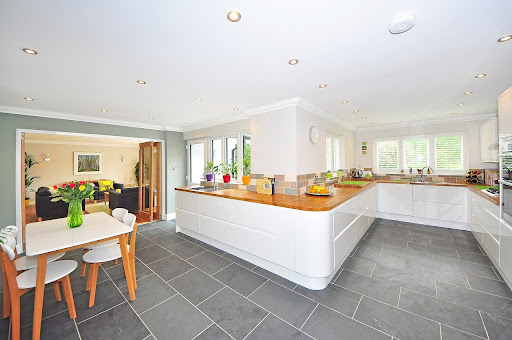
For homeowners seeking a sleek, modern look with energy efficiency, recessed lighting is a worthwhile investment. While the initial cost is higher than surface-mounted lights, the long-term savings, durability, and aesthetic appeal justify the expense.
Tips to Reduce Costs
✔️ Opt for standard LED downlights instead of smart lighting if the budget is tight.
✔️ Install lights in clusters rather than scattering them to reduce labour costs.
✔️ Choose modular false ceilings for easier future upgrades.
Final Verdict
Recessed lighting is a mid-to-high-end investment but offers superior aesthetics, energy savings, and longevity. For Singaporean homes, it’s an excellent choice for those prioritizing modern design and efficiency. For a professional assessment and installation, contact FixFirst anytime to get a tailored quote based on your home’s requirements.