There’s nothing quite like the gentle breeze of a ceiling fan on a warm Singapore afternoon. But before you can enjoy that cooling comfort, you need a properly installed fan that’s safe, stable, and efficient. Whether you’re replacing an old unit or installing your first ceiling fan or ceiling fan light fixture, understanding the process can save you from headaches and potential hazards down the road. At FixFirst, we do ceiling fan repairs as well as install numerous ceiling fans across Singapore homes, so we know exactly what makes for a perfect installation. From choosing the right contractor to understanding the costs involved, this guide covers everything you need to know about ceiling fan installation Singapore services.

Why Professional Installation Matters More Than You Think
You might be tempted to tackle ceiling fan installation yourself, especially if you’re handy around the house. But here’s the thing: ceiling fans aren’t like table lamps. They’re heavy, they spin at high speeds, and they’re mounted directly above where you and your family spend time. A poorly installed fan isn’t just annoying when it wobbles; it can be downright dangerous if it comes loose.
Professional ceiling fan contractors do more than just screw in a few bolts. They assess your ceiling’s structure, ensure proper electrical connections, balance the fan perfectly, and make sure everything meets Singapore’s strict safety standards. It’s the difference between a fan that lasts for years and one that keeps you up at night with its rattling.
What Goes Into a Proper Ceiling Fan Installation?
Every quality ceiling fan installation follows a careful process. First, the technician will examine your ceiling to determine the best mounting method. Concrete ceilings are straightforward, while false ceilings require additional support between the beams.
Next comes the electrical work. Your installer will check that your existing wiring can handle the fan’s power needs. In older HDB flats, this sometimes entails upgrading the circuit, which is best left to a professional. The mounting bracket gets securely fastened to a ceiling joist or reinforced beam because that little bracket is what keeps your fan from becoming a flying hazard.
Once the fan is assembled and hung, the real magic happens in the balancing. Even the best fans can wobble if not installed perfectly. A skilled technician will test the rotation and make micro-adjustments until it runs as smooth as silk.
Understanding Ceiling Fan Installation Costs in Singapore
“How much will this set me back?” is everyone’s first question. For a standard ceiling fan installation in Singapore, you’re typically looking at between $80 to $250. We charge around $50 per ceiling fan installation here at FixFirst. Additional charges apply to cases that require a power point extension .
But why such a range? Several factors affect the final price. The type of fan matters. A basic model goes up quicker than a smart fan with additional wiring needs. Your ceiling height plays a role, too; those soaring condo ceilings might require special equipment. And if your home needs electrical upgrades before installation can even begin, that’ll add to the cost.
How Far Should Recessed Lights Be From a Ceiling Fan?
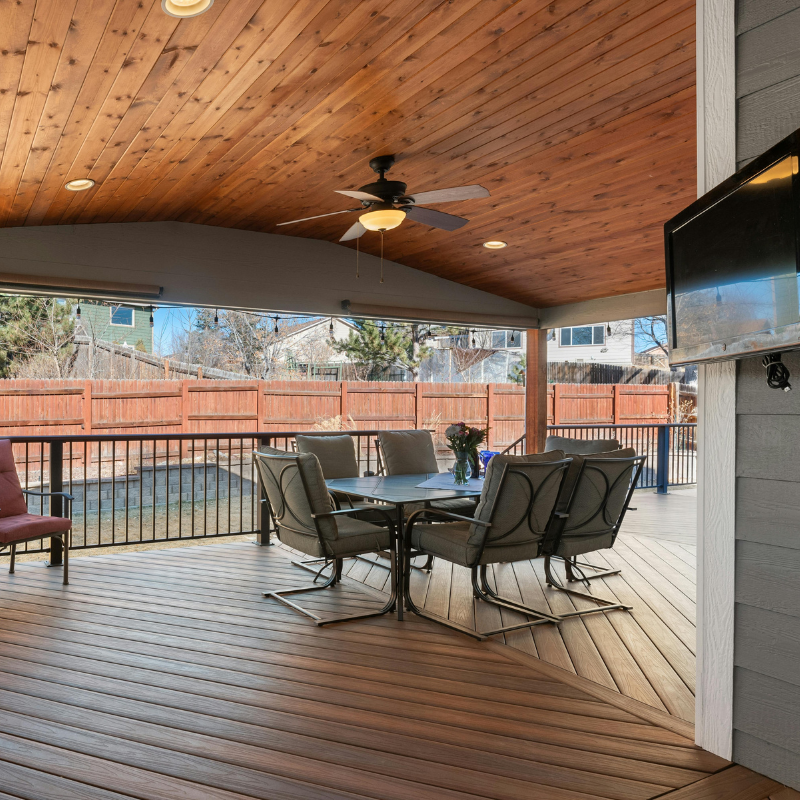
Proper spacing between recessed lights and ceiling fans ensures both safety and optimal performance. The ideal distance depends on several factors, including fan size, light placement, and ceiling height. Industry standards recommend maintaining at least 18 to 24 inches between the edge of the fan blades and any recessed lighting fixture. This clearance prevents light obstruction, reduces flickering shadows, and minimizes potential interference with the fan’s airflow.
Ceiling fans with larger blade spans—typically 52 inches or more—require greater spacing to avoid an unbalanced visual effect and ensure even light distribution. In rooms with low ceilings (8 to 9 feet), keeping lights at the farther end of the recommended range helps prevent the fan from dominating the space. For higher ceilings (10 feet or more), slightly closer placement may work, but maintaining a minimum of 18 inches remains crucial to avoid disruptive airflow patterns.
Beyond functionality, aesthetics play a key role. Recessed lights placed too close to a fan can create a cluttered appearance, while well-spaced fixtures enhance symmetry and room cohesion. A practical approach involves marking the fan’s sweep with a template before finalizing light positions. This step ensures both safety and design harmony, allowing the fan and lighting to complement rather than compete with each other.
For optimal results, consult an electrician or lighting specialist during planning. They can assess ceiling structure, wiring requirements, and fan dynamics to create a layout that maximizes efficiency and visual appeal. Proper spacing not only enhances performance but also extends the lifespan of both fixtures by reducing unnecessary strain.
Choosing Your Ceiling Fan Contractor: What Really Matters
Not all fan services are created equal. When you’re searching for a ceiling fan contractor in Singapore, there are three things you should never compromise on. First, proper licensing – anyone working with electricity in your home should be EMA-licensed. Second, look for contractors with specific ceiling fan experience; general handymen might lack the specialized knowledge. But perhaps most importantly, find someone who stands behind their work. At FixFirst, we’ve built our reputation on getting installations right the first time, every time.
Keeping Your Fan Running Smoothly for Years
Your relationship with your ceiling fan doesn’t end after installation. With simple maintenance, a quality fan can last a decade or more. Dust the blades monthly because buildup throws off the balance. Listen for new sounds; that odd clicking might just need a screw tightened. And if your fan starts wobbling like it’s doing the cha-cha, don’t ignore it. Small adjustments early prevent big problems later.
Frequently Asked Questions (FAQs) - Ceiling Fan Installation
We charge around $50 per ceiling fan installation. But if there is a need to extend the power point, there will be additional charges. Just send over Whatsapp the floor plan and preferably a video of the installation area, so we can give you a quote.
Most standard installations are completed in 1-2 hours. Complex setups (like high ceilings or smart fans) may take longer.
While most can, false ceilings often need reinforcement. A professional will assess your specific situation.
This usually indicates an installation issue–either improper balancing or insecure mounting. Contact your installer for adjustments.
They can be, due to additional wiring for smart controls. Always check if your chosen contractor has experience with smart home integrations.
An annual check-up is ideal to ensure optimal performance and catch small issues before they become big problems.
Fans should be at least 2.1 meters from the floor and 30cm from walls for safety and proper airflow.
Often yes, but the existing wiring may need upgrading to handle the fan’s power requirements.
No. Small rooms (under 3m) need 42-48″ fans, while larger spaces benefit from 52″ or larger models.
The cost depends on the type of switch and labor involved. A standard wall switch replacement typically costs between $50 to $150, including parts and labor. Smart switches or dimmer switches may cost more, ranging from $100 to $250, depending on complexity. Always consult a licensed electrician for an accurate quote based on your specific setup.
Yes, if the wiring allows it. Most Fanco ceiling fans with lights can be connected to a main switch, but this requires proper electrical configuration. Some models support dual control (remote + wall switch), while others may need a separate switch for the light. A qualified electrician can assess your wiring and modify it if necessary.
Follow these steps for safe replacement:
- Turn off the power at the circuit breaker.
- Remove the old switch by unscrewing the faceplate and disconnecting the wires.
- Connect the new switch, matching the wires (live, neutral, ground) correctly. In Singapore, note that there are no neutral points for switch setups.
- Secure the switch in the electrical box and restore power to test.
If you’re unsure about wiring, hire a professional electrician from FixFirst to avoid electrical hazards.
Modern energy-efficient models use about as much as a light bulb, far less than air conditioning.
With proper installation and maintenance, 10-15 years is typical for quality models.
At FixFirst, we don’t just install ceiling fans, we create cooling solutions tailored to your space. Our technicians are fan specialists, not general handymen, and it shows in every perfectly balanced, whisper-quiet installation. From assessing your ceiling structure to fine-tuning the final rotation, we handle every detail so you can enjoy years of comfortable breezes. Ready to upgrade your home’s comfort? Contact FixFirst today for a professional ceiling fan installation you can trust.