Lighting is one of the most critical elements in interior design, influencing both the functionality and aesthetics of a space. When it comes to choosing the right lighting fixtures, homeowners and designers often find themselves torn between two popular options: downlights vs ceiling lights. Both have their unique advantages and applications, but understanding the differences between them is key to making the right choice for your space.
In this comprehensive guide, we’ll explore the pros and cons of downlights and ceiling lights, discuss their ideal use cases, and provide step-by-step installation tips. So, whether you’re renovating your home or designing a new space, this article will help you make an informed decision.
Understanding Downlights and Ceiling Lights
Before diving into the comparison, let’s define what downlights and ceiling lights are and how they function.
What is a Downlight?
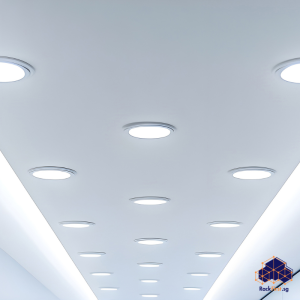
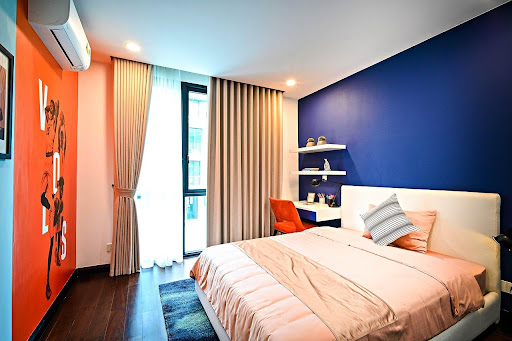
A downlight, also known as a recessed light or can light, is a fixture that is installed into a hollow opening in the ceiling. The light source is concealed within the ceiling, and the fixture directs light downward in a focused beam. Downlights are known for their sleek, minimalist design and ability to provide ambient, task, or accent lighting without occupying visual space.
What is a Ceiling Light?
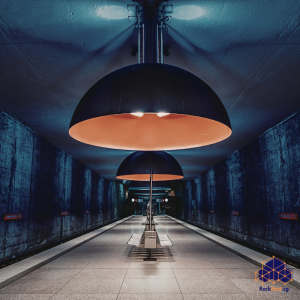
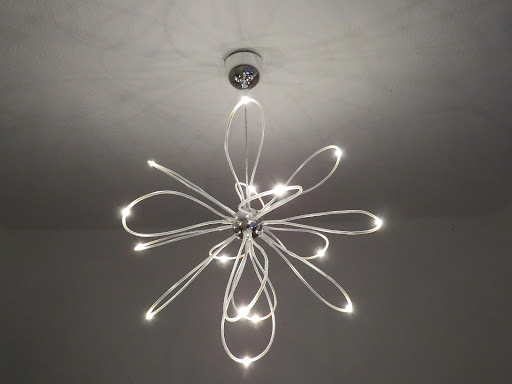
A ceiling light, on the other hand, is a surface-mounted fixture that is attached directly to the ceiling. These lights come in a wide variety of styles, including chandeliers, pendant lights, flush mounts, and semi-flush mounts. Ceiling lights are often used as statement pieces, adding both illumination and decorative appeal to a room.
Downlight vs Ceiling Light: Key Differences
To determine which lighting option is best for your needs, let’s compare downlights and ceiling lights across several key factors. The table below uses six criteria points for comparison, so you can see exactly which lighting type meets your unique needs.
Downlights | Ceiling Lights | |
Aesthetics and Design | Downlights are subtle and unobtrusive, making them ideal for modern and minimalist interiors. They blend seamlessly into the ceiling, creating a clean and streamlined look. | Ceiling lights are more visible and can serve as decorative focal points. They come in a wide range of designs, from elegant chandeliers to contemporary pendant lights, allowing you to express your personal style. |
Light Distribution | Downlights provide focused, directional lighting, making them perfect for task lighting (e.g., over kitchen counters) or accent lighting (e.g., highlighting artwork). | Ceiling lights typically offer broader, more diffused lighting, making them suitable for general ambient lighting in living rooms, bedrooms, or dining areas. |
Space Requirements | Since downlights are recessed into the ceiling, they don’t take up any vertical space. This makes them ideal for rooms with low ceilings or where a clutter-free look is desired. | Ceiling lights hang below the ceiling, which can reduce headroom in spaces with low ceilings. However, they can add visual interest and depth to rooms with higher ceilings. |
Installation Complexity | Installing downlights requires cutting holes into the ceiling and running electrical wiring through the ceiling cavity. This process can be more complex and time-consuming, especially in existing structures. | Ceiling lights are generally easier to install, as they are surface-mounted and don’t require extensive modifications to the ceiling. |
Energy Efficiency | Modern downlights often use LED technology, which is highly energy-efficient and long-lasting. However, multiple downlights may be required to adequately light a room, which can increase energy consumption. | Ceiling lights are available in energy-efficient options, such as LED fixtures. A single ceiling light can often provide sufficient illumination for a room, reducing the need for multiple fixtures. |
Cost | The cost of downlights can vary depending on the type and quality of the fixtures. While individual downlights may be affordable, the need for multiple units and the complexity of installation can increase overall costs. | Ceiling lights range from budget-friendly options to high-end designer pieces. The cost will depend on the style, size, and materials used. |
When To Choose Downlights vs Ceiling Lights
Choose Downlights If:
✔️ You prefer a modern, minimalist aesthetic.
✔️ You need focused lighting for specific tasks or areas.
✔️ You have low ceilings and want to maximize headroom.
✔️ You want to highlight architectural features or artwork.
Choose Ceiling Lights If:
✔️ You want to make a decorative statement with your lighting.
✔️ You need broad, ambient lighting for larger spaces.
✔️ You have high ceilings and want to add visual interest.
✔️ You’re looking for an easier and quicker installation process.
How To Install Downlights and Ceiling Lights
Proper installation is crucial to ensuring the safety and functionality of your lighting fixtures. Below, we’ll provide a general overview of the installation process for both downlights and ceiling lights. However, it’s always recommended to consult a licensed electrician for professional lighting installation.
Installing Downlights
- Plan the layout. Determine the number and placement of downlights based on the size of the room and your lighting needs. Use a stud finder to locate ceiling joists and avoid cutting into them.
- Turn off the power. Switch off the power supply to the area where you’ll be working.
- Cut the holes. Use a hole saw to cut openings in the ceiling for the downlights. Ensure the holes are the correct size for your fixtures.
- Run the wiring. Connect the electrical wiring to the downlight fixtures according to the manufacturer’s instructions, and then secure the wires with wire nuts.
- Install the fixtures. Insert the downlights into the holes and secure them with the provided clips or brackets.
- Test the lights. Turn the power back on and test the downlights to ensure they’re working correctly.
Installing Ceiling Lights
- Choose the location. Decide where you want to install the ceiling light. As much as possible, make sure that the location is near an electrical junction box.
- Turn off the power. Switch off the power supply to the area.
- Mount the bracket. Attach the mounting bracket to the ceiling using screws and a drill.
- Connect the wires from the ceiling to the wires on the light fixture, matching the colors (black to black, white to white, and green or copper to the ground wire).
- Attach the light fixture to the mounting bracket and secure it with screws.
- Turn the power back on and test the newly installed ceiling light to ensure it’s functioning properly.
Note that if you live in an HDB flat, before you do any drilling or rewiring for your lighting installation project, you need to read first the relevant guidelines for HDB building works and HDB electrical works.
Conclusion: Downlight vs Ceiling Light – Which is Right for You?
The choice between downlight vs ceiling light ultimately depends on your specific needs, preferences, and the characteristics of your space. Downlights are ideal for modern, minimalist designs and focused lighting, while ceiling lights offer versatility, decorative appeal, and broad illumination. So by considering factors such as aesthetics, light distribution, space requirements, and installation complexity, you can make an informed decision that enhances the functionality and beauty of your home or office.
For professional advice and installation services, connect with experienced electricians and lighting experts at FixFirst. Whether you’re installing downlights, ceiling lights, or a combination of both, FixFirst.sg can help you achieve the perfect lighting solution for your space.