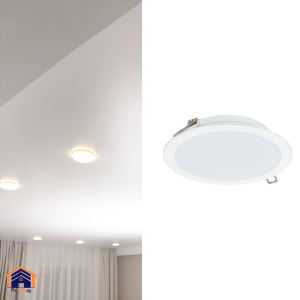
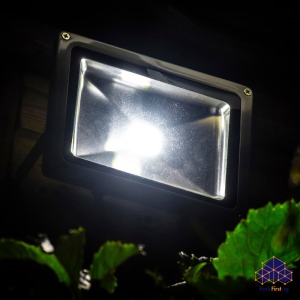
When it comes to designing or renovating a space, lighting plays a pivotal role in setting the ambiance and functionality of the room. Recessed lighting, in particular, has become a popular choice for modern homes and offices due to its sleek, unobtrusive design and ability to provide even illumination. However, if you’re planning to incorporate a drop ceiling (also known as a suspended ceiling) into your space, you might find yourself facing a crucial question: should you install recessed lighting before or after drop ceiling?
This decision can significantly impact the installation process, cost, and overall outcome of your project. In this article, we’ll explore the pros and cons of each approach, provide expert recommendations, and help you make an informed decision for your specific needs.
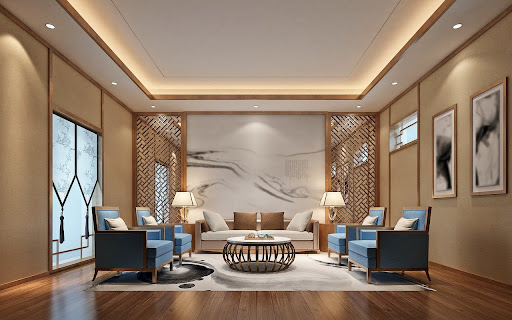
Understanding Recessed Lighting and Drop Ceilings
Before diving into the installation sequence, it’s essential to understand what recessed lighting and drop ceilings are and how they work together.
What is Recessed Lighting?
Recessed lighting, also known as can lights or downlights, is a type of light fixture that is installed into an opening in the ceiling. Unlike traditional pendant or chandelier lights, recessed lights are hidden within the ceiling, creating a clean and minimalist look. They are ideal for providing ambient, task, or accent lighting without taking up visual space.
What is a Drop Ceiling?
A drop ceiling is a secondary ceiling that is suspended below the main structural ceiling. It is commonly used in commercial spaces, basements, and areas where access to plumbing, electrical wiring, or ductwork is necessary. Drop ceilings consist of a grid framework and ceiling tiles, which can be easily removed for maintenance or repairs.
The Dilemma: Install Recessed Lighting Before or After Drop Ceiling?
The decision to install recessed lighting before or after a drop ceiling depends on several factors, including the type of recessed lights, the design of the drop ceiling, and the accessibility of the space. Let’s break down both options.
Option 1: Install Recessed Lighting Before Drop Ceiling
Installing recessed lighting before the drop ceiling is often the preferred method for several reasons:
Advantages
✔️ Easier Access to the Main Ceiling: When you install recessed lighting before the drop ceiling, you have direct access to the main structural ceiling. This makes it easier to cut holes, run electrical wiring, and secure the light fixtures in place.
✔️ Better Alignment and Precision: Installing the lights first allows you to align them perfectly with the drop ceiling grid. This ensures that the lights are evenly spaced and positioned exactly where you want them.
✔️ Simpler Wiring Process: Running electrical wires through the main ceiling is generally easier than navigating the limited space above a drop ceiling. This can save time and reduce the risk of errors during installation.
✔️ Support for Heavier Fixtures: If you’re using larger or heavier recessed lights, the main ceiling provides a more stable and secure base for installation.
Disadvantages
❌ Limited Flexibility: Once the recessed lights are installed, you’ll need to design the drop ceiling around them. This can limit your flexibility in terms of tile placement and grid layout.
❌ Potential for Damage: If the drop ceiling installation process is not handled carefully, there’s a risk of damaging the recessed lights or their wiring.
Option 2: Install Recessed Lighting After Drop Ceiling
Installing recessed lighting after the drop ceiling is less common but can be a viable option in certain scenarios.
Advantages
✔️ Flexibility in Design: Installing the drop ceiling first allows you to finalize the layout and design of the ceiling before adding the lights. This can be particularly useful if you’re unsure about the placement of the lights.
✔️ Easier Modifications: If you need to make changes to the lighting layout in the future, it may be easier to do so with a drop ceiling in place, as the tiles can be removed and reinstalled without much hassle.
Disadvantages
❌ Limited Space for Installation: The space above a drop ceiling is often cramped, making it challenging to install recessed lights and run electrical wiring. This can increase the complexity and cost of the installation.
❌ Risk of Misalignment: Without the main ceiling as a reference point, it can be difficult to align the recessed lights perfectly with the drop ceiling grid.
❌ Support Issues: Drop ceilings are not designed to support heavy fixtures, so you’ll need to use specialized recessed lighting kits that are compatible with suspended ceilings.
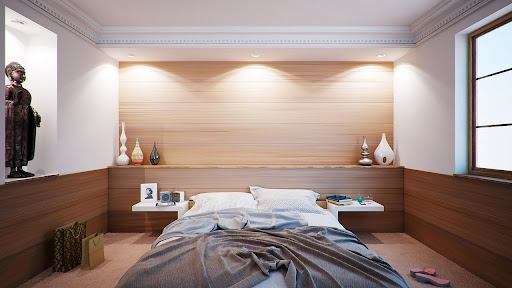
Key Factors To Consider
When deciding whether to install recessed lighting before or after a drop ceiling, consider the following factors:
🏷️ Type of Recessed Lighting: Some recessed lights are specifically designed for drop ceilings and come with adjustable brackets or suspension systems. If you’re using these types of fixtures, installing them after the drop ceiling may be more straightforward.
🏷️ Ceiling Height: If your space has limited ceiling height, installing recessed lights before the drop ceiling can help maximize the available space.
🏷️ Accessibility: Consider how easy it will be to access the main ceiling and electrical wiring. If access is difficult, installing the lights first may be the better option.
🏷️ Project Timeline: Installing recessed lighting before the drop ceiling can streamline the process and reduce the overall project timeline.
🏷️ Budget: The cost of installation may vary depending on the sequence you choose. Be sure to get quotes from professionals to compare the expenses.
Expert Recommendations
Most lighting and construction experts recommend installing recessed lighting before the drop ceiling. This approach offers greater flexibility, easier access, and a more seamless installation process. However, if you’re using specialized recessed lights designed for drop ceilings or have specific design requirements, installing the lights after the drop ceiling may be the better choice. But regardless of the sequence you choose, it’s important to work with a qualified electrician and contractor to ensure that the downlight or ceiling light installation is done safely and correctly.
Conclusion
The decision to install recessed lighting before or after drop ceiling ultimately depends on your specific project requirements, the type of lighting fixtures you’re using, and the design of your space. While installing the lights before the drop ceiling is generally the preferred method, there are scenarios where installing them afterward makes more sense.
By carefully considering the pros and cons of each approach and consulting with professionals, you can achieve a beautifully lit space with a drop ceiling that complements your design vision. Whether you’re renovating a basement, upgrading an office, or designing a new home, the right lighting can transform your space into a functional and inviting environment. And, for expert advice and professional installation services, hire FixFirst’s experienced contractors who can help you navigate this decision and bring your lighting project to life.