As energy-efficient lighting becomes the norm, many homeowners are making the switch to LED bulbs. But a common question arises: can LED bulbs be used in any light fixture? The short answer is: usually, but not always. While LEDs are highly versatile, certain fixtures and environments may require special considerations to ensure safety, performance, and longevity. Understanding these factors can help you make informed decisions when upgrading your lighting.
The Basics of LED Bulb Compatibility
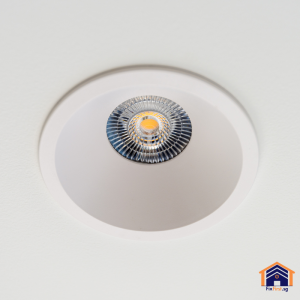
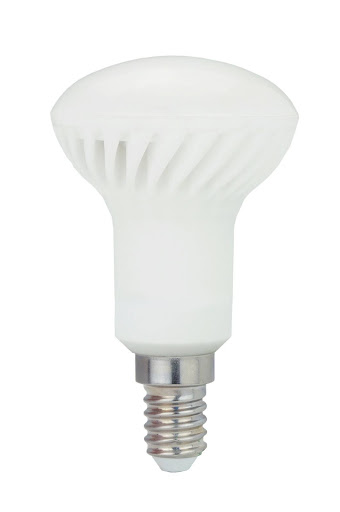
LED bulbs are designed to fit most standard light sockets, including E26 (medium base) and E12 (candelabra base), making them compatible with a wide range of fixtures. However, not all fixtures are optimized for LED technology. One key factor is heat dissipation because LEDs generate less heat than incandescent bulbs but are more sensitive to excessive heat buildup. Enclosed fixtures, such as recessed lighting or covered ceiling mounts, can trap heat, potentially shortening an LED bulb’s lifespan. For these applications, it’s best to use LEDs specifically rated for enclosed fixtures.
Another consideration is dimmability. While many LED bulbs are dimmable, not all work seamlessly with traditional dimmer switches designed for incandescent bulbs. Using a non-dimmable LED on a dimmer circuit can cause flickering, buzzing, or even premature failure. To avoid these issues, check for LED-compatible dimmers or bulbs labeled as “dimmable.”
Potential Limitations and Safety Concerns
Although LEDs are adaptable, some fixtures pose challenges. Older fixtures with electronic transformers, which are common in low-voltage lighting, may not provide the correct voltage for LEDs, leading to poor performance or flickering. Similarly, fixtures with motion sensors or timers may require LEDs designed for such applications to function correctly.
Another critical factor is fixture size and shape. LED bulbs often have larger heat sinks than traditional bulbs, which may not fit in compact or oddly shaped fixtures. Always verify dimensions before purchasing to ensure a proper fit.
Special Cases: Outdoor and High-Temperature Fixtures
When asking, can LED bulbs be used in any light fixture, outdoor and high-temperature environments require extra attention. Standard indoor LEDs may not withstand moisture, extreme temperatures, or weather exposure. For outdoor use, look for bulbs with an IP (Ingress Protection) rating indicating resistance to dust and water. Similarly, fixtures in high-heat areas (like ovens or saunas) need LEDs rated for extreme temperatures. Note that most household LEDs are not suitable for these conditions.
Making the Switch Safely
To maximize LED performance and safety, follow these guidelines:
- Check the fixture ratings. Ensure the fixture is rated for LED use, especially if enclosed or in a high-heat area.
- Verify the dimmer compatibility. Upgrade to LED-friendly dimmers if needed.
- Choose the right bulb type. Opt for LEDs labeled for enclosed fixtures, outdoor use, or specialty applications when necessary.

Final Thoughts
While LED bulbs are incredibly versatile, the answer to can LED bulbs be used in any light fixture depends on heat management, dimmer compatibility, and fixture design. By selecting the right LED for your specific needs, you can enjoy energy savings and long-lasting performance. For expert advice and professional electrical and lighting installation in Singapore, choose FixFirst, your reliable partner for all electrical and lighting solutions.