When a light switch stops working, the first step in troubleshooting is often determining whether the issue lies with the switch itself or the circuit breaker. Knowing how to find the breaker for a light switch is a fundamental skill for any homeowner or DIY enthusiast. Not only does it help in diagnosing electrical problems, but it also ensures safety when performing repairs or replacements. This guide will walk you through the process step by step, offering expert insights and practical tips to make the task easier.
Understanding Your Electrical Panel and Distribution Box
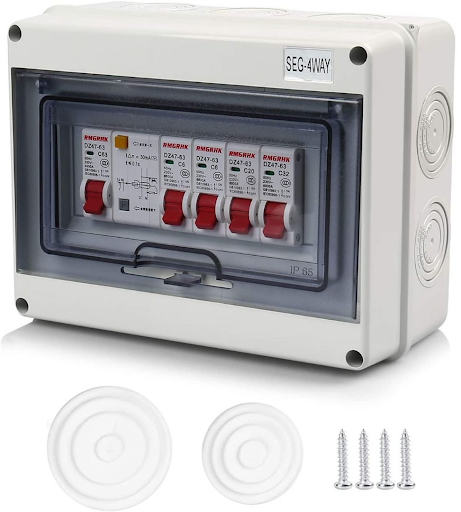
The DB (Distribution Board) box in HDB units is a critical electrical component that houses circuit breakers, residual current devices (RCDs), and fuses, ensuring safe power distribution throughout the home. Typically installed near the entrance or utility area, the DB box complies with Singapore’s strict electrical standards and is subject to regular inspections to prevent hazards like short circuits or electrical fires. Modern HDB DB boxes often feature modular designs for easy maintenance, with separate circuits for lighting, power outlets, and high-load appliances like air conditioners. Upgraded units may also include surge protectors to safeguard sensitive electronics. Since July 2023, the HDB has mandated residual current circuit breakers (RCCBs) in all new flats to enhance safety by cutting off power during leakage currents.
Before attempting to locate the correct breaker, it’s essential to familiarize yourself with your home’s electrical panel. Typically found in basements, garages, or utility closets, the panel houses multiple circuit breakers, each controlling power to different areas of your home. Modern panels usually have labels indicating which breaker corresponds to which room or appliance, but these labels can sometimes be outdated or inaccurate.
If your panel isn’t labeled, or if you suspect the labels are incorrect, then you’ll need to identify the correct breaker manually. This is where knowing how to find the breaker for a light switch becomes crucial. The process involves systematically testing each breaker to determine which one controls the light switch in question.
Step-by-Step Process To Identify the Correct Breaker
Begin by ensuring the light switch is in the “on” position. This way, when you trip the correct breaker, the light will turn off, providing a clear indication that you’ve found the right one. Next, enlist the help of a partner to monitor the light while you work at the electrical panel. If you’re alone, a battery-powered radio or a phone call on speaker mode can serve as an auditory cue when the power cuts off.
Starting from the top of the panel, flip each breaker to the “off” position one at a time, pausing briefly to check if the light turns off. Once you’ve identified the correct breaker, mark it clearly on the panel for future reference. If none of the breakers seem to control the light, double-check for any secondary panels or subpanels that might be installed in your home.
Safety Considerations and Troubleshooting Tips
Working with electricity always carries risks, so safety should be your top priority. Before touching the electrical panel, ensure your hands are dry and that you’re standing on a non-conductive surface. If you’re unsure about any step in the process, consulting a licensed electrician is the safest course of action.
If you’ve followed the steps above and still can’t locate the breaker, the issue might lie elsewhere—such as a faulty switch, wiring problem, or even a tripped GFCI outlet. Testing the switch with a voltage tester can help determine whether power is reaching it. Additionally, checking nearby outlets and switches can provide clues about the circuit’s layout.

Conclusion
Mastering how to find the breaker for a light switch empowers you to handle minor electrical issues confidently and safely. By systematically testing each breaker and taking necessary precautions, you can quickly identify the right circuit without guesswork. Remember, if at any point the task feels overwhelming, professional electricians at FixFirst are just a call away, ready to assist with all your electrical needs. Whether it’s labeling your panel, troubleshooting a stubborn circuit, or upgrading your home’s electrical system, expert help ensures the job is done safely and efficiently.