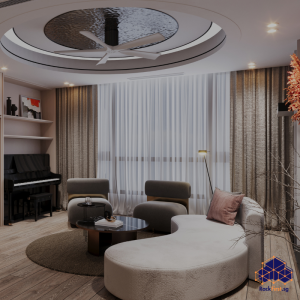
Lighting shapes how a home feels. It influences mood, defines spaces, and affects daily routines. Yet many homeowners in Singapore still rely on a single overhead fixture to illuminate an entire room. This approach leaves corners dark, creates harsh shadows, and misses the opportunity to craft an atmosphere. The shift toward warm, layered, and smart lighting marks a moment in interior design for 2026 . Homeowners now seek lighting systems that adapt to their lives rather than fixtures that simply turn on and off. Understanding how to set up these systems properly transforms a house into a home that responds to the people living in it.

The 2026 Shift Toward Warm and Layered Lighting
Singapore’s design trends for 2026 point clearly toward warmth and flexibility. Cool white lights that once dominated modern interiors are giving way to warmer temperatures between 2700K and 3000K These warmer tones create a welcoming atmosphere that complements the textured materials and curved forms popular in current furniture design. They also work well with the biophilic trend that brings natural elements indoors, enhancing wood grains and plant textures without washing them out .
Layered lighting forms the foundation of this approach. Rather than one light source doing all the work, homeowners combine multiple types to create depth and versatility. Ambient lighting provides the base layer, illuminating the room evenly through ceiling fixtures, recessed lights, or cove lighting. Task lighting focuses on specific areas where people read, cook, or work. Accent lighting draws attention to artwork, architectural features, or textured walls. Together, these layers allow a single space to shift from bright and energetic during the day to soft and intimate in the evening .
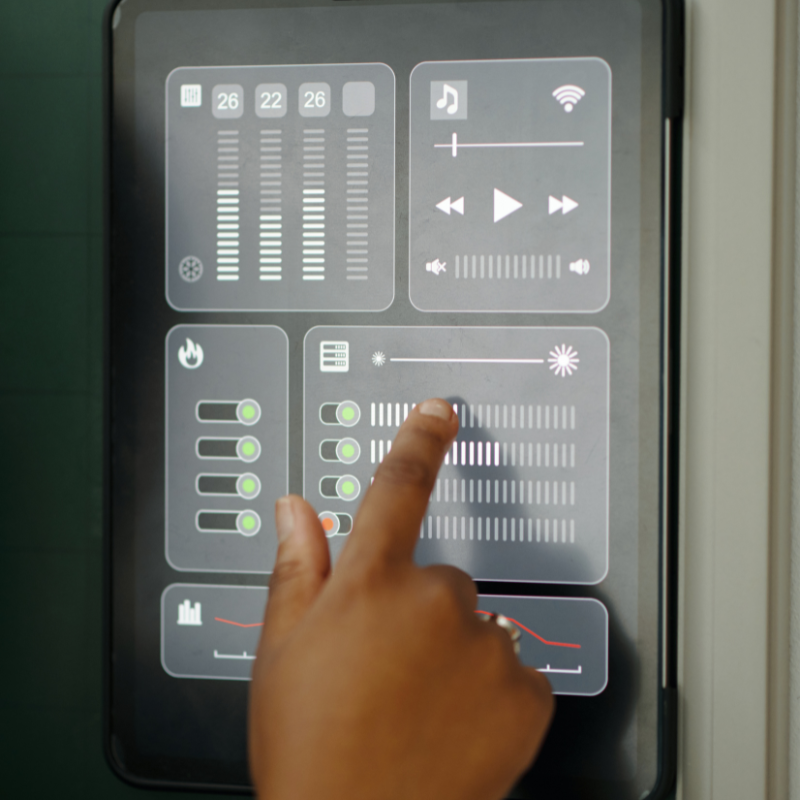
Understanding the Three Layers of Light
Ambient lighting serves as the foundation. In Singapore homes, this often means recessed downlights or ceiling-mounted fixtures that spread light evenly across the room. For open-concept HDB flats, ambient lighting helps define zones while maintaining a cohesive feel. Dimmers on ambient lights give homeowners control over the overall brightness, allowing them to lower the intensity for movie nights or raise it for cleaning and entertaining.
Task lighting addresses specific activities. Under-cabinet LED strips in the kitchen illuminate countertops without casting shadows from overhead cabinets. A pendant light above the dining table focuses light on meals while adding a decorative element. Reading lamps beside the bed or sofa provide concentrated light without disturbing others in the room. The key to effective task lighting lies in positioning it where people actually perform activities and not just where fixtures look balanced.
Accent lighting adds drama and depth. LED strips tucked into shelving highlight displayed objects. Picture lights draw attention to artwork. Uplights placed behind large plants cast interesting shadows on walls. In curved architecture, concealed LED strips following the line of an arched niche or rounded wall enhance the form and create a soft glow. Accent lighting should never compete with ambient or task lighting for attention. Instead, it should quietly enrich the space.
The Role of Smart Lighting in Modern Homes
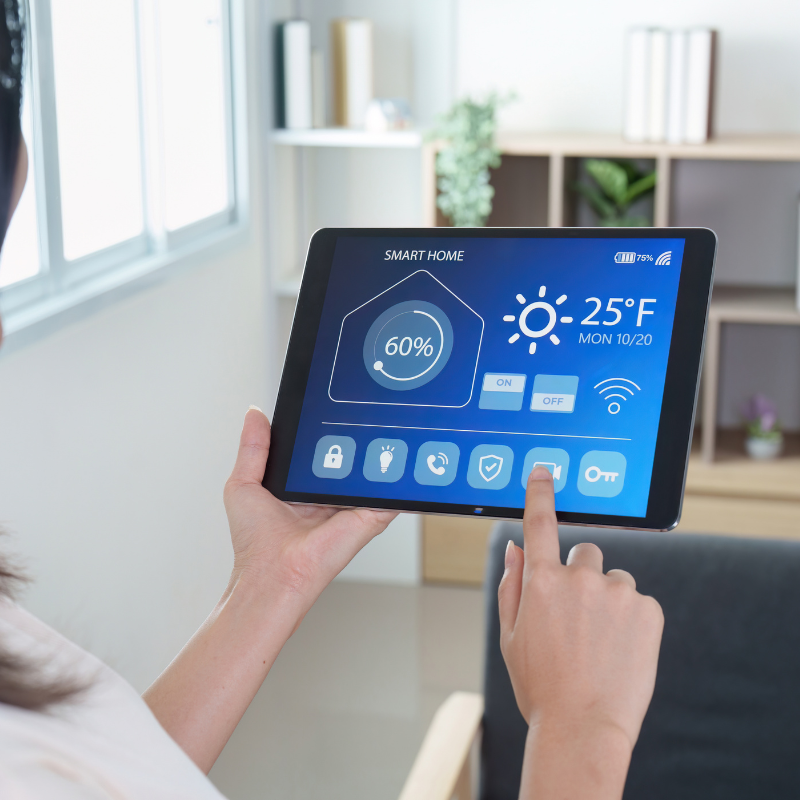
Smart lighting has moved from luxury to accessible necessity in 2026. With affordable options available at local retailers, homeowners can control their lights through phones, voice assistants, or automated schedules. Smart lighting systems reduce energy consumption by up to fifty percent compared to traditional setups. They also offer convenience that matches Singapore’s fast-paced lifestyle.
Homeowners can set routines that gradually brighten lights in the morning to simulate sunrise, helping them wake naturally. They can schedule lights to turn off during the day when no one is home, saving electricity. At night, a single “good night” command can turn off all lights throughout the house, ensuring nothing gets left on accidentally.
Scene setting represents one of the most powerful features of smart lighting. A “dinner party” scene might dim the ambient lights, brighten pendant lights over the dining table, and add a warm glow to display shelves. A “movie night” scene could turn off all lights except subtle bias lighting behind the television. A “work from home” scene might increase brightness and cool the color temperature slightly to improve focus . These scenes transform how homeowners interact with their spaces, making lighting an active participant in daily life rather than a passive utility.
Choosing Between Smart Bulbs, Switches, and Plugs
Homeowners face several paths when converting to smart lighting . The right choice depends on their existing setup and goals.
Smart bulbs offer the simplest entry point. They screw into existing fixtures and connect directly to Wi-Fi or a hub. Homeowners control them through apps or voice commands, adjusting brightness and color temperature as desired. Brands like Philips Hue, Yeelight, and TP-Link Kasa provide reliable options readily available in Singapore . The main limitation involves the wall switch. Smart bulbs need constant power to stay connected, so the physical switch must remain on at all times. This confuses guests and family members accustomed to flipping switches off when leaving a room.
Smart switches address this limitation by replacing the wall switch itself . They connect to the home network while maintaining the familiar wall interface Singaporeans prefer. When someone flips the switch off, the smart system still knows the light’s status and can turn it back on remotely if needed. Smart switches work well for rooms with multiple bulbs or fixtures, as they control the entire circuit rather than requiring individual smart bulbs. Installation requires basic electrical knowledge and attention to Singapore’s wiring standards, which typically lack a neutral wire at switch locations .
Smart plugs provide a budget-friendly option for lamps and plug-in fixtures. They require no wiring at all, simply plugging into an outlet with the lamp plugged into them. Homeowners control the lamp through an app or voice commands, setting schedules and scenes just like with smart bulbs. Smart plugs work well for rentals where permanent changes aren’t allowed. They cannot control hardwired ceiling lights, however, limiting their application.
Installation Considerations for Singapore Homes
Singapore’s electrical system follows British standards with some local variations. Most importantly, light switches in HDB flats and many condos do not include a neutral wire at the switch location . This affects which smart switches will work. Select no-neutral models specifically designed for this configuration, or run new wiring, which requires licensed electrical work.
Before touching any wiring, turn off power at the circuit breaker and verify with a voltage tester that no current flows . For those uncomfortable with electrical work, professional installation ensures compliance with Building and Construction Authority guidelines and avoids risks of shock or fire.
Dimmer installation requires additional attention. Not all bulbs work with dimmers, and using non-dimmable bulbs on a dimmer circuit causes flickering and premature failure. Leading-edge dimmers common in older setups may not work well with modern LED bulbs, which often require trailing-edge dimmers for smooth operation. Check compatibility between dimmers and bulbs before purchasing.
Integrating Accent Lighting for Maximum Impact
Accent lighting transforms ordinary rooms into designed spaces. LED strip lighting offers flexibility for highlighting architectural features. Under cabinet strips in the kitchen illuminate worksurfaces beautifully. Inside glass-front cabinets, strips make displayed items glow. Along the base of kitchen islands, strips create a floating effect that adds modern elegance.
Cove lighting installed in recessed ceiling troughs washes walls with soft light, making rooms feel larger and ceilings higher . For HDB flats with standard ceiling heights, this technique adds perceived volume without construction. Curved coves work particularly well with LED strips, as the light follows the form and emphasizes the architectural interest .
Picture lights, both plug-in and hardwired, draw attention to artwork and photographs. Adjustable track lighting allows homeowners to direct light exactly where needed, highlighting changing displays over time. Wall washers illuminate textured surfaces like brick or feature walls, adding depth that changes throughout the day.
Room-by-Room Lighting Strategies
Different rooms demand different approaches to layered lighting .
In the living room, start with dimmable ambient lighting from recessed downlights or a central fixture. Add task lighting near reading spots with floor lamps or adjustable wall lights. Include accent lighting on shelving, artwork, or architectural features. Smart controls allow this space to shift from bright family gathering to intimate entertaining with a single command.
The kitchen requires bright, functional light for food preparation. Under-cabinet LED strips eliminate shadows on countertops. Pendant lights over islands provide both task illumination and decorative appeal. Ambient ceiling lights ensure the whole space feels bright and clean. High CRI bulbs matter here, as they show food colors accurately .
Bedrooms benefit from warm, dimmable ambient lighting that supports relaxation. Bedside task lights allow reading without disturbing partners. Gentle accent lighting, perhaps from LED strips behind the headboard or under the bed frame, adds a hotel-like luxury feel. Smart controls set scenes for waking, reading, and sleeping.
Dining areas center around a statement pendant or chandelier positioned 75 to 90 centimeters above the table . This provides focused light for meals while acting as a decorative focal point. Dimmable controls adjust the mood from bright family dinners to romantic evenings.

Conclusion
Lighting has evolved far beyond the simple light bulb. In 2026 Singapore homes, layered and smart lighting systems create spaces that adapt, respond, and enhance daily life. Warm temperatures set welcoming moods while multiple layers provide flexibility for every activity. Smart controls add convenience and energy savings that traditional systems cannot match. For homeowners ready to upgrade their lighting, professional installation ensures every component works together seamlessly, creating a home that feels as good as it looks.
When you’re ready to move beyond the light bulb and create a lighting system that truly serves your home, let FixFirst help. Contact us today over Whatsapp to discuss your smart lighting goals and schedule a professional installation that brings your vision to light.