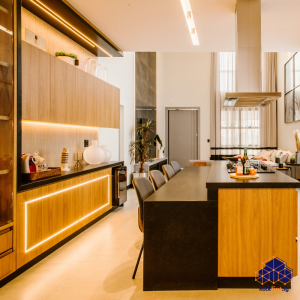
The straight line has dominated interior design for the better part of a decade. In 2026, however, we are witnessing a definitive shift in Singapore’s residential aesthetic. Curved sofas, arched shelving units, rounded dining tables, and organic-shaped cabinetry are no longer niche design experiments; they are becoming staples in both HDB flats and luxury condos. This movement toward softer, more fluid forms offers a visual reprieve from the hard angles of urban living .
For the professional handyman, this trend introduces a new set of logistical challenges. Curved furniture behaves differently from its rectangular counterparts. It interacts with wall contours in unique ways, distributes weight across non-linear frames, and often requires specific handling to prevent damage during assembly. Understanding the mechanics of these pieces is essential to ensuring a stable, safe, and visually seamless installation in the compact spaces typical of Singapore.

The Spatial Reality of Curves in Singapore Homes
Before inserting a single screw, a handyman must appreciate the spatial dynamics at play. Singapore’s living rooms, whether in a 4-room HDB or a studio apartment, demand precise utilization of every square inch. Curved furniture serves a functional purpose here: it softens circulation paths.
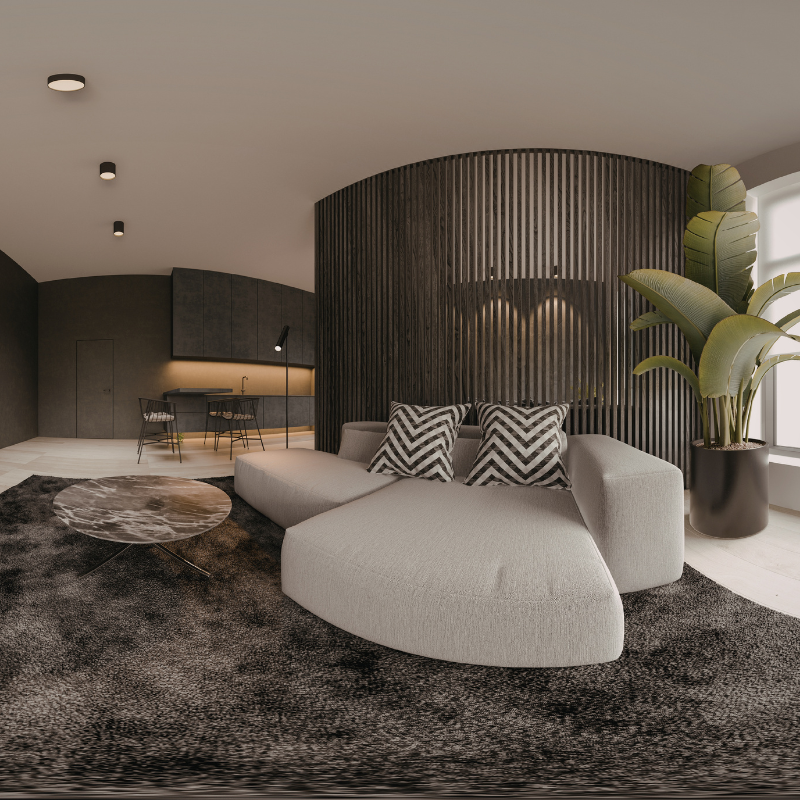
When you place a traditional L-shaped sofa in a long, narrow living room, you often create harsh barriers that disrupt the flow of traffic. A curved sectional, however, creates natural passageways. The concave side invites entry, while the convex back can gently guide movement around the furniture. During installation, you must assess the negative space, or the area behind the curve. This space is prime real estate for floor lamps, large-leafed plants like the fiddle-leaf fig, or slim console tables, turning an awkward gap into a design feature.
The Specifics of Structural Stability
Assembling a curved sofa or an arched shelf requires a departure from standard procedures. Unlike boxy furniture that relies on a grid-like frame for rigidity, curved pieces often depend on laminated or steam-bent components.
Frame Inspection Is Critical
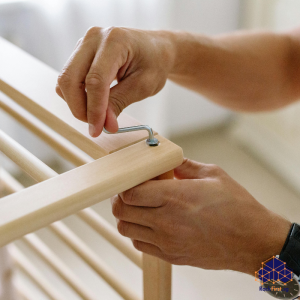
Many high-end curved sofas use engineered steel frames or suspension systems beneath the upholstery to maintain their shape . However, more common flat-pack curved units might use particleboard that has been cut into curved sections. These sections are inherently weaker along the grain. When assembling, pay close attention to the cam locks and dowels joining these curved panels. The stress on a curved joint is different from a straight one; over-tightening screws can strip the particleboard, while under-tightening leads to wobble. Always verify that the cam lock heads are oriented correctly—aligned with the ‘locked’ symbol—to ensure the tensile force pulls the curved edges together tightly.
Arched Shelves and Wall Anchoring
Arched bookshelves are particularly popular for their ability to maximize vertical space without the visual weight of a rectangular unit. However, their high center of gravity, especially in tall units, presents a tipping hazard. In a country prone to the occasional earth tremor or simply the daily vibration of MRT lines, stability is important.
While many units come with a wide base, you should never rely on that alone. The golden rule of installation is to anchor the unit to the wall, regardless of how stable it feels. Use a stud finder to locate solid anchoring points. For arched shelves, the tip of the arch is often the best point to secure with an L-bracket to the wall. This prevents the shelf from rocking forward, which is a common failure point for top-heavy designs.
Material Considerations in a Tropical Climate
Singapore’s humidity is the silent adversary of furniture assembly. Curved furniture often utilizes materials like ash veneer over solid rubberwood or ENF-certified OSB panels with aluminum honeycomb cores to resist warping .
When handling these materials during installation, you must protect the finish. Humidity can cause even high-quality wood to expand slightly. When assembling, leave a microscopic tolerance in the joints. Do not force a panel if it seems swollen. For cabinets with sliding mechanisms or J-groove integrations, ensure the tracks are perfectly level. A slight misalignment in a curved track will cause the door to stick, especially when the humidity rises and the wood swells .
Navigating the Fit in Condo and HDB Corridors
One of the most overlooked aspects of curved furniture installation is the journey it takes to get into the apartment. A curved sofa is often wider and bulkier than a standard sofa. Before assembly, you should always conduct a lift analysis.
Measure the lift lobby, the corridor width, and the doorway. A modular curved sectional may need to be assembled inside the living room because its assembled width exceeds the door frame’s clearance. Unlike straight sofas that can tilt and slide in, curved pieces have a fixed radius that can catch on door jambs. It is often safer to move the individual modules inside the box and assemble them in situ. This protects the upholstery from scuffs and prevents damage to the BTO’s freshly painted corridor walls.
Levelling and Balance
Because curved furniture creates optical illusions, any deviation from level becomes immediately apparent. A straight sofa that is slightly off-level might hide its flaw behind cushions. A curved sofa that is off-level will look like it is listing to one side, breaking the organic flow of the design.
Use a 4-foot level across multiple planes. Check not only the front rail but also the depth from front to back. On curved sectionals, ensure the feet or legs are adjusted to accommodate the floor’s imperfections. Many older condos in Singapore have marble or tiles that have settled over time, creating subtle slopes. Adjustable glides are your best friend here; they ensure the weight is distributed evenly across all legs, preventing rocking and undue stress on the curved frame joints.
Styling the Installation
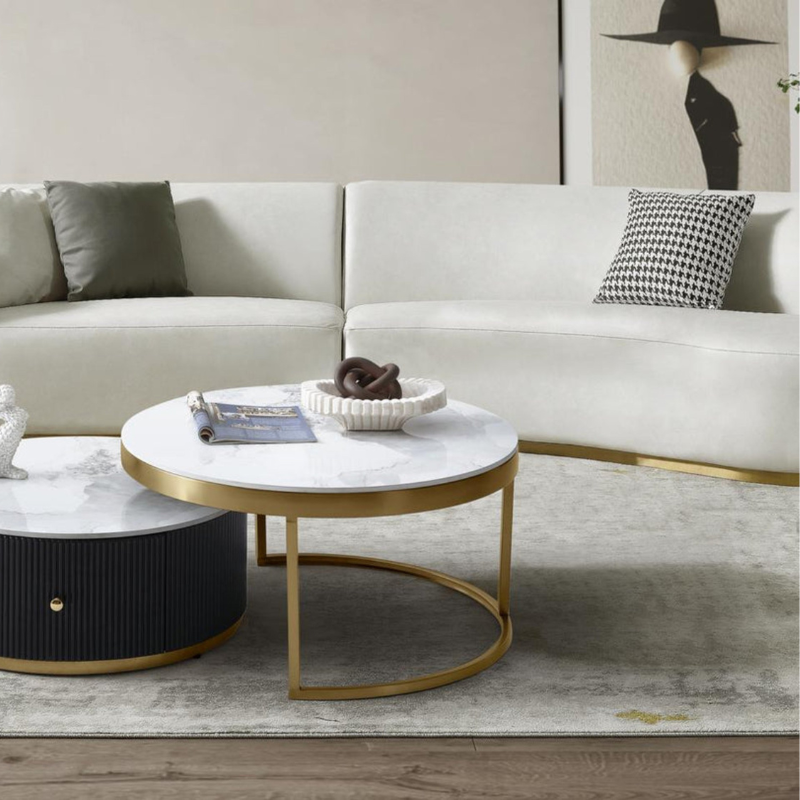
For a curved sofa, the best pairing is an oval or kidney-shaped coffee table to echo the lines of the seating. It also avoids the harsh contrast of a rectangular block. For arched shelving, the styling should breathe. Unlike flat shelves that can be packed tightly, arched shelves benefit from a mix of books and sculptural objects, allowing the curve of the shelf itself to remain a visible architectural feature . This not only looks better but also reduces the weight load on the shelves.

Conclusion
The curve is a response to the need for comfort and flow in Singapore’s high-density living. For the handyman, mastering the assembly of these pieces requires a blend of spatial awareness, material science, and mechanical precision. By respecting the structural integrity of curved joints, anchoring against instability, and adapting to the tropical climate, you ensure that these beautiful, fluid forms remain safe and stunning for years to come.
If you are looking at a pile of curved panels and complex instructions, or if that new arched cabinet needs precise anchoring, let the experts handle it. Contact FixFirst today over Whatsapp to book our professional furniture installation service, and we will ensure your curves are perfectly set in place.