In today’s increasingly connected world, smart home technology has revolutionized the way we interact with everyday appliances, including lighting. Many homeowners are eager to upgrade their traditional lighting systems to smart lights, which offer convenience, energy efficiency, and enhanced control. If you’re wondering how to convert normal lights to smart lights, the process is simpler than you might think. With the right tools and guidance, you can transform your existing lighting setup into a smart, automated lighting system without extensive rewiring or professional help.
Understanding Smart Lighting
Before diving into the conversion process, it’s essential to understand what smart lighting entails. Unlike conventional bulbs that operate via a standard wall switch, smart lights connect to your home’s Wi-Fi or a dedicated hub, allowing remote control via smartphone apps, voice assistants like Alexa or Google Assistant, or even automated schedules. Smart bulbs, switches, and plugs are the primary components used in this transition, each offering different levels of functionality and ease of installation.
Choosing the Right Smart Lighting Solution
The first step in learning how to convert normal lights to smart lights is selecting the appropriate method for your needs. There are three main approaches: smart bulbs, smart switches, and smart plugs.
Smart bulbs are the easiest option for beginners. These LED bulbs screw into existing fixtures and connect directly to your home network. Brands like Philips Hue, LIFX, and TP-Link Kasa offer bulbs that provide dimming, color-changing capabilities, and scheduling. However, they require the light switch to remain on at all times, which may be inconvenient for some users.
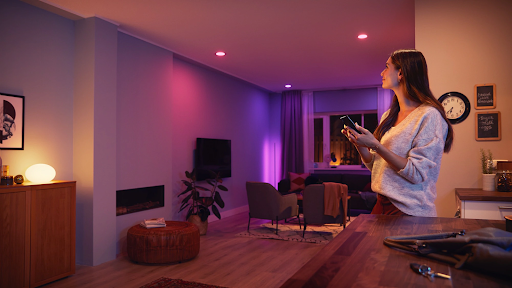
Smart switches replace your traditional wall switches, allowing you to control the connected lights via an app or voice command. They are ideal for rooms with multiple bulbs or fixtures, as they eliminate the need to replace every individual bulb. Popular options include Lutron Caséta and TP-Link’s HS200. Installation may require basic electrical knowledge, but many models are designed for DIY setups.
Smart plugs are another alternative, particularly useful for lamps or non-hardwired lighting. By plugging a lamp into a smart plug, you can control it remotely without changing the bulb or switch. While not as feature-rich as smart bulbs or switches, they offer a budget-friendly entry point into smart lighting.
Step-by-Step Conversion Process
Once you’ve chosen your preferred smart lighting solution, the next step is installation. For smart bulbs, simply screw them into your existing fixtures, download the corresponding app, and follow the pairing instructions. Most smart bulbs use Wi-Fi or Bluetooth, though some may require a hub for advanced features.
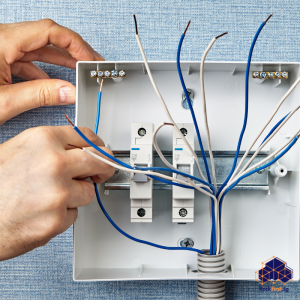
If you opt for smart switches, turn off the circuit breaker before removing the old switch. Carefully disconnect the wires and connect them to the new smart switch according to the manufacturer’s instructions. Once installed, pair the switch with your home network and configure it via the app.
For smart plugs, plug the device into an outlet, connect your lamp, and sync it with your smartphone. Many smart plugs also support voice control, making them a versatile addition to any smart home.

Maximizing Your Smart Lighting Experience
After converting your lights, explore automation features such as scheduling, motion detection, and integration with other smart home devices. Setting routines—like dimming lights in the evening or turning them on at sunrise—can enhance both convenience and energy savings.
By following this guide on how to convert normal lights to smart lights, you can enjoy the benefits of a modern, connected home without a complete overhaul. Whether you choose smart bulbs, switches, or plugs, the transition is straightforward and rewarding, offering greater control and efficiency for years to come.
For professional assistance with smart home upgrades in Singapore, contact FixFirst over Whatsapp to explore expert electrical installation services tailored to your needs.