Transforming a spare room or a quiet corner of your HDB flat into a personal dance studio is an exciting prospect for dancers of all levels. A wall mounted ballet barre is the centerpiece of this transformation, offering a stable and space-saving solution for practice and conditioning. However, achieving a professional setup in a Singapore home requires careful consideration of product selection, wall compatibility, and strict adherence to HDB regulations. This comprehensive guide will navigate you through every step, from choosing the perfect barre to ensuring its secure and flawless installation.
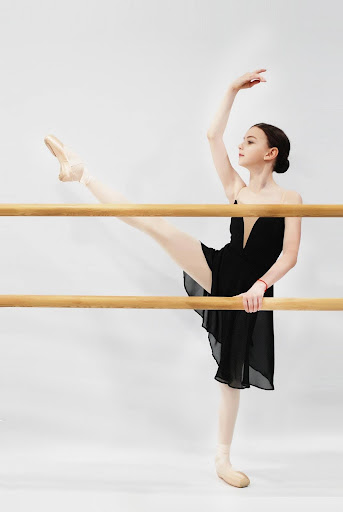
The Purpose and Versatility of a Home Ballet Barre
A wall mounted ballet barre serves far more purposes than classical ballet practice. It is a versatile fitness tool that supports a wide range of activities. Dancers use it for warm-ups, technique drills, and stretching. Fitness enthusiasts incorporate it for balance during yoga poses, Pilates exercises, and low-impact strength training. Its installation at home provides the ultimate convenience, allowing for practice anytime, irrespective of studio schedules or weather. For children and adults alike, it encourages discipline, improves posture, and fosters a lifelong appreciation for dance and movement within the comfort and privacy of one’s own home.
Selecting Your Ideal Wall Mounted Ballet Barre
Choosing the right barre involves evaluating several key factors to ensure it meets your needs and integrates well with your living space. The primary considerations are material, adjustability, and length.
Most high-quality barres are constructed from solid wood, like beech or maple, or from sleek, durable metals such as brushed stainless steel or powder-coated aluminium. Wood offers a traditional feel and excellent grip, while metal provides a modern aesthetic and is often lighter. The barre diameter is also important; a standard diameter of 1.5 to 2 inches is comfortable for most hands, from children to adults.
Meanwhile, adjustability is a significant advantage, especially in a household with multiple users. Dual-height barres feature two parallel rails, allowing a child and an adult to use the same unit simultaneously. Alternatively, a single barre with vertically adjustable brackets offers flexibility to change the height as a dancer grows or for different exercise modalities.
When considering a wall mounted ballet barre for sale Singapore retailers offer, always verify the load capacity. A well-made barre should confidently support a user’s full body weight during stretches and leans. Furthermore, the finish should be smooth and splinter-free to protect hands, and the design should have no sharp edges or protruding hardware that could pose a hazard.
Critical Positioning and Planning Considerations
Before purchasing or drilling a single hole, thoughtful planning is essential because the placement of your barre will impact its usability and safety. The ideal location is against a blank wall with ample clearance—at least 1.5 meters—to allow for unrestricted movement of legs and arms. Avoid areas behind doors or in tight corridors.
The height of the barre is determined by the user’s body. A standard starting point is to set the top bar at the user’s hip bone or waist level. For a more precise measurement, stand straight with your arms hanging loosely; the barre should be at the level of your wrist.
The most critical technical step is identifying your wall type. HDB walls are typically either reinforced concrete (load-bearing) or partition walls made of hollow blocks or drywall. Mounting a ballet barre requires a solid, reinforced concrete wall to safely handle the dynamic and static loads imposed during use. Attempting to install on a hollow partition wall risks catastrophic failure and injury. You can tap on the wall; a solid concrete wall will sound hard and dense, while a hollow wall will sound empty and echo slightly. For absolute certainty, consulting your HDB floor plan or engaging a professional is highly recommended.
Navigating HDB Drilling Regulations
The Housing & Development Board has specific guidelines for renovation works, including drilling into walls. These rules are in place to maintain the structural integrity of the building and ensure the safety of all residents. According to the HDB renovation guidelines, drilling into structural beams and columns is strictly prohibited. Drilling into walls is permitted but must be done with care to avoid damaging embedded electrical conduits or plumbing. It is also advised that drilling be done between 9am and 6pm.
This is where professional expertise becomes invaluable. A skilled handyman understands these constraints and uses tools like stud finders and wire detectors to map out safe drilling points, ensuring compliance with HDB rules and preventing costly or dangerous damage to your home’s infrastructure.
The Ballet Barre Installation Process: A Step-by-Step Guide
While a DIY ballet barre wall mount project may seem tempting, the complexity of ensuring perfect level, finding secure anchor points, and adhering to HDB rules makes professional installation the wiser choice. However, for context, the professional installation process involves these meticulous steps:
| Step | Details |
|---|---|
| Step 1: Finalize Positioning and Height | The installer will confirm the exact location with you, using a tape measure and level to mark the precise points for the brackets on the wall. |
| Step 2: Locate Hidden Hazards | Using a professional-grade electronic detector, the installer will scan the marked area to identify any electrical wiring or rebar within the wall, adjusting the bracket placement if necessary to avoid them. This step complies with the HDB renovation guidelines. |
| Step 3: Mark and Pre-Drill Holes | The bracket templates are held firmly against the wall, and the screw hole locations are marked. The installer then uses a power drill with a masonry bit to create pilot holes at the exact marked points. |
| Step 4: Install Wall Anchors | High-weight-capacity wall anchors, such as heavy-duty expansion anchors or sleeve anchors, are inserted into each pilot hole. These anchors expand within the concrete, creating an immensely strong hold that raw plugs cannot match. |
| Step 5: Secure the Brackets | The wall mounted ballet barre brackets are aligned over the anchors and fastened into place using long, high-tensile strength screws. The installer will use a level again to ensure each bracket is perfectly horizontal and aligned with its partner. |
| Step 6: Attach the Barre | Finally, the ballet barre itself is placed onto or attached to the mounted brackets, and any final securing bolts are tightened. The installer will conduct a thorough stability test and apply pressure to the barre to confirm it is immovably secure. |
Need a secure, damage-free ballet barre installation in your HDB flat or home studio? FixFirst’s certified handymen use professional tools and HDB-compliant drilling techniques to ensure your barre is rock-solid
Enhancing Your Practice Space with a Mirror
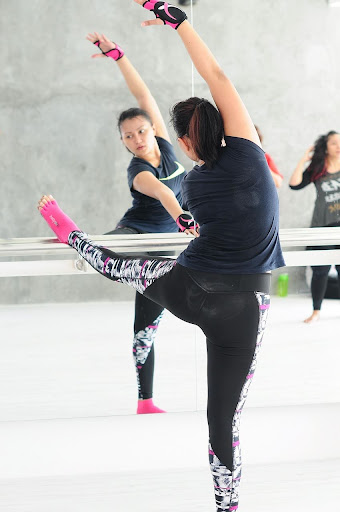
No practice space is complete without a mirror. A wall mounted ballet barre mirror allows dancers to observe and correct their form, alignment, and technique in real-time. For home installation, safety is the paramount concern. Acrylic mirrors are a brilliant alternative to glass; they are lightweight, shatterproof, and much safer for homes with children. They can be mounted securely adjacent to the barre, creating a professional-grade practice environment that supports effective learning and self-correction.
Why Choose a FixFirst Handyman To Install Your Wall-Mounted Ballet Barre
Attempting to install a ballet barre yourself carries significant risks, from damaging your wall to creating an unsafe installation. Partnering with a FixFirst expert eliminates these concerns and delivers a flawless, worry-free result.
✔️Expertise in HDB Compliance: Our technicians are thoroughly familiar with HDB drilling guidelines and structural requirements. Your installation is fully compliant and safe if you engage our handyman for the job.
✔️Precision and Right Tools: We use industrial-grade stud finders, heavy-duty drills, and professional mounting hardware to secure your barre to concrete walls permanently.
✔️Safety Assurance: We prioritize identifying and avoiding hidden electrical wires and pipes, preventing hazardous accidents and costly repairs.
✔️Perfect Leveling and Alignment: There is no room for a crooked barre. We guarantee a perfectly level installation that meets professional standards for both function and aesthetics.
✔️Time and Cost Efficiency: We complete the job correctly on the first visit, saving you the time, frustration, and potential expense of a failed DIY attempt or damaged property.
✔️Weight-Rated Hardware: We select and install anchors and screws rated specifically for the dynamic loads of exercise, providing peace of mind that your barre will hold securely under pressure.

Frequently Asked Questions (FAQs) - Wall Mounted Ballet Barre Singapore
For an adult, the standard height is between 36 to 42 inches from the floor, typically aligning with the user’s wrist when standing upright with arms relaxed.
It is strongly discouraged. Partition walls cannot safely support the weight and dynamic force of barre exercises. Installation must be on a primary reinforced concrete wall.
A barre installed by a professional into concrete with appropriate hardware can typically hold over 150kg of dynamic weight, safely supporting any user.
A clearance of at least 1.5 meters is recommended to allow for full leg extensions and arm movements without obstruction.
No, drilling for minor installations like a ballet barre does not typically require a permit, but you must still follow all HDB renovation guidelines concerning drilling.
This depends on the model. Fixed-height barres cannot be adjusted. Brackets with multiple height settings allow for adjustment, though this may require remounting the brackets.
Both wood and metal are excellent. Wood offers a classic feel and warm grip, while metal is modern, durable, and often easier to keep clean.
Simply wipe it down with a soft, slightly damp cloth after use. Avoid harsh chemicals or abrasive pads that could damage the finish.
Yes, as long as the wall itself is a load-bearing concrete structure and not a false wall attached to the ceiling.
A professional installer can remove the barre and brackets. The remaining holes in the wall can be easily filled with putty and touched up with paint.
Yes, but you must use a barre made from weather-resistant materials like stainless steel or treated wood, and the installation must still be on a structurally sound wall.
A standard single barre installation for an experienced handyman typically takes between 45 to 60 minutes.
A wall mounted ballet barre is a superb addition to any Singapore home, promoting health, discipline, and artistic expression. While the journey involves careful product selection and meticulous planning, the reward is a permanent, professional-grade practice space. By understanding the requirements and entrusting the complex installation process to skilled experts, you ensure a result that is not only beautiful and functional but, most importantly, completely safe. Contact FixFirst today to schedule your professional ballet barre installation and transform your space with confidence and ease.