Drilling into concrete walls in BTO (Built-To-Order) HDB units can be a challenging task, especially if you’re not equipped with the right tools and knowledge. Concrete walls are thick, dense, and designed to support the structural integrity of the building, making them much harder to penetrate than drywall or brick (which is the wall type for older HDB units). In this article, we’ll explore the best drill bit for concrete walls, essential drilling tips, and the tools you need to get the job done efficiently and safely. We’ll also discuss the importance of using a spirit level for precision when drilling for TV mounts or larger shelves.
Best Drill Bit for Concrete Walls
When drilling into concrete walls, the carbide-tipped masonry drill bit is your best choice. These bits are specifically designed to handle the hardness of concrete, brick, and stone. Here’s why they’re ideal:
✔️Durability. The carbide tip is extremely hard and resistant to wear, making it perfect for tough materials like concrete.
✔️Flute Design. The spiral flutes help remove dust and debris from the hole as you drill, preventing the bit from getting stuck.
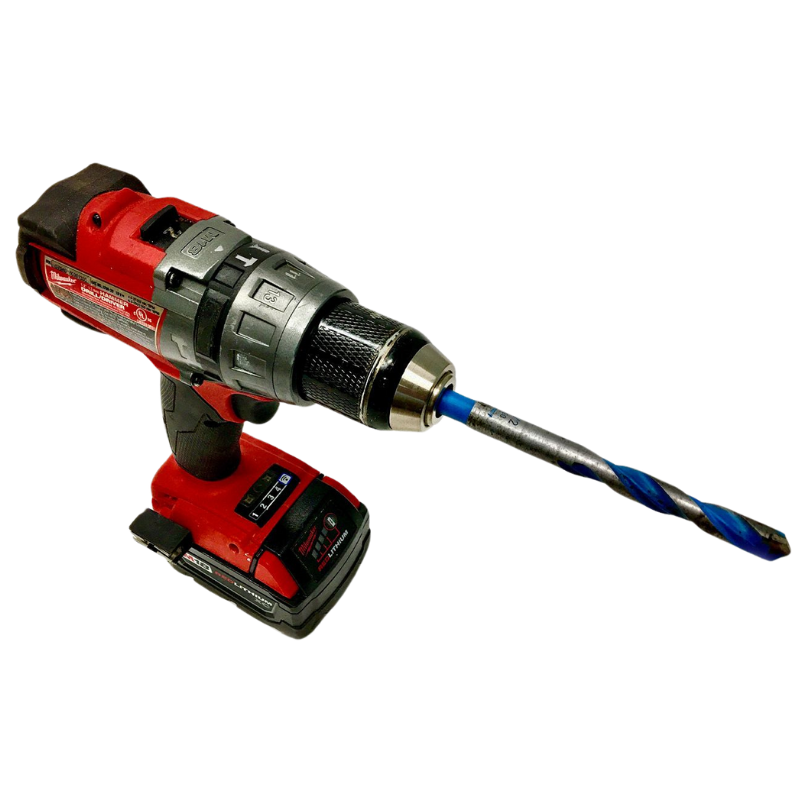
✔️Compatibility. Carbide-tipped masonry bits work well with hammer drills, which are essential for drilling into concrete.
One pro-tip to keep in mind: always choose a drill bit that matches the size of the wall plug or anchor you plan to use. For example, if you’re using a 6mm wall plug, use a 6mm drill bit.
Drilling Tips for Concrete Walls
Use a Hammer Drill
A hammer drill is a must-have tool for drilling into concrete walls. It has a specialized mechanism that delivers rapid, short hammer thrusts while rotating. This dual action allows it to chip away at concrete, making drilling faster and easier. Unlike a standard drill, a hammer drill combines rotational force with a pounding action to break through tough materials. This makes it significantly more effective for concrete.
Brushless vs. Non-Brushless Drills
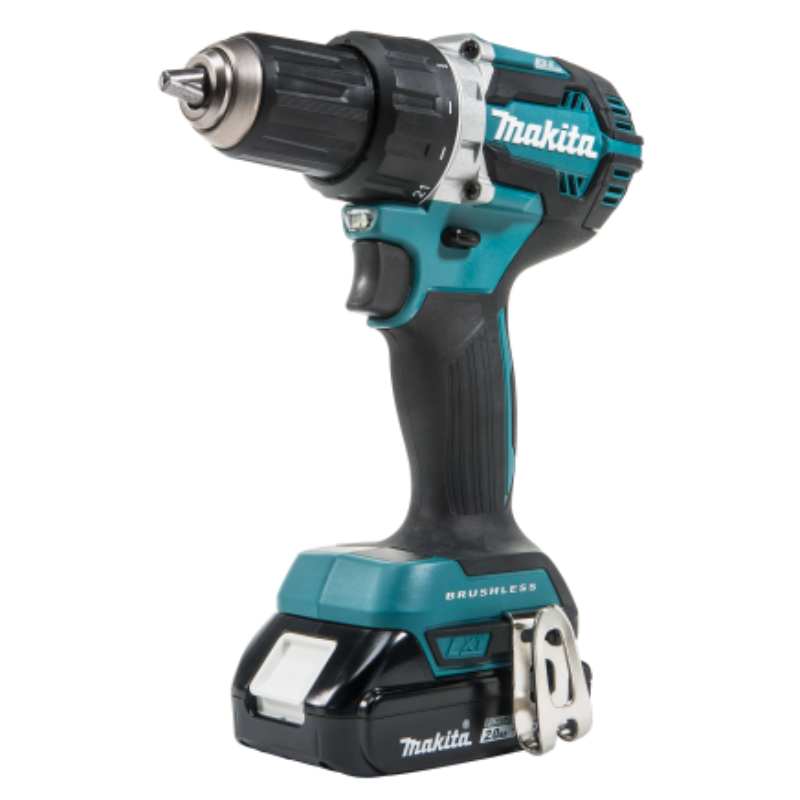
Brushless drills are far more efficient, generate less heat, and have a longer lifespan. They’re ideal for heavy-duty tasks like drilling into concrete. Non-brushless drills, on the other hand, are more affordable but less efficient and may overheat faster during prolonged use.
Drill Speed
Always start slow. Begin drilling at a low speed to create a pilot hole. This helps prevent the drill bit from slipping and ensures accuracy. Then gradually increase the speed. Once the pilot hole is established, you can increase the speed slightly. However, avoid high speeds, as they can overheat the drill bit and damage the concrete.
Prevent Overheating
To prevent overheating, pause and cool down. If your drill starts to overheat, stop drilling and let it run without resistance for a few seconds. This allows the rotation mechanism to cool down. Then clear the dust regularly. Pull the drill out periodically to remove dust from the hole. This reduces friction and prevents overheating.
Why a Spirit Level is Essential
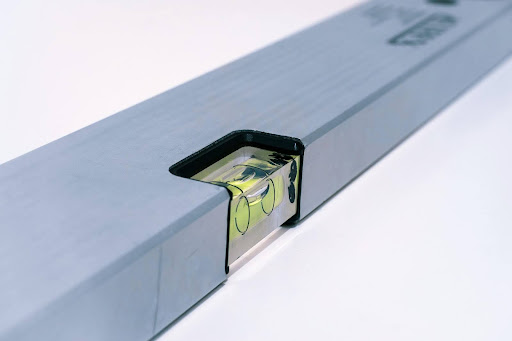
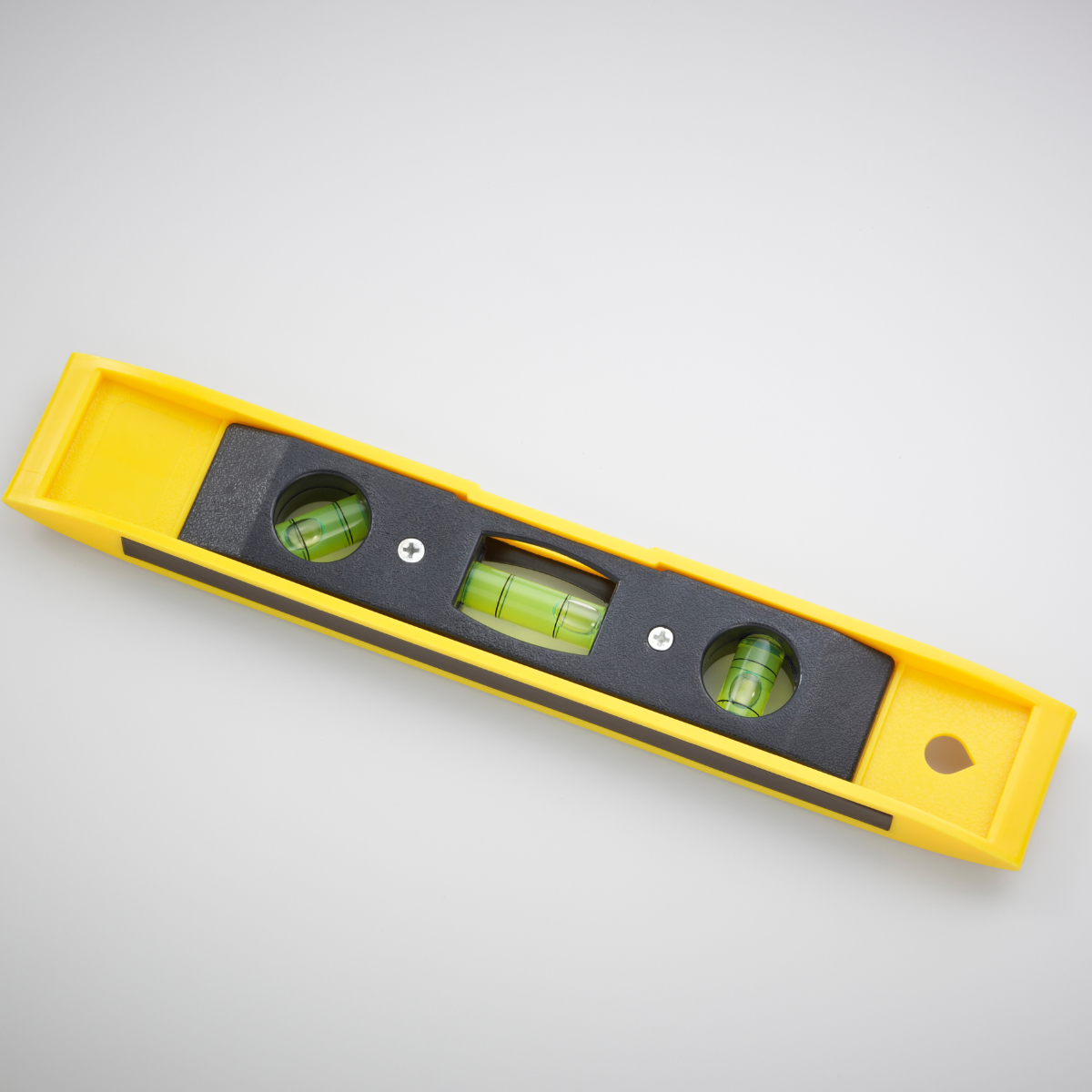
When drilling for TV mounts, shelves, or other fixtures, precision is key. A spirit level (also known as a bubble level) ensures that your holes are perfectly aligned and your fixtures are level.
How To Use a Spirit Level
- Mark the drilling points with a pencil.
- Place the spirit level on the wall, aligning it with the marks.
- Adjust the position until the bubble is centered between the lines.
- Double-check the alignment before drilling.
For larger shelves or TV mounts, use a longer spirit level to ensure even weight distribution and a professional finish.
Step-by-Step Guide for Drilling into Concrete Walls

1.
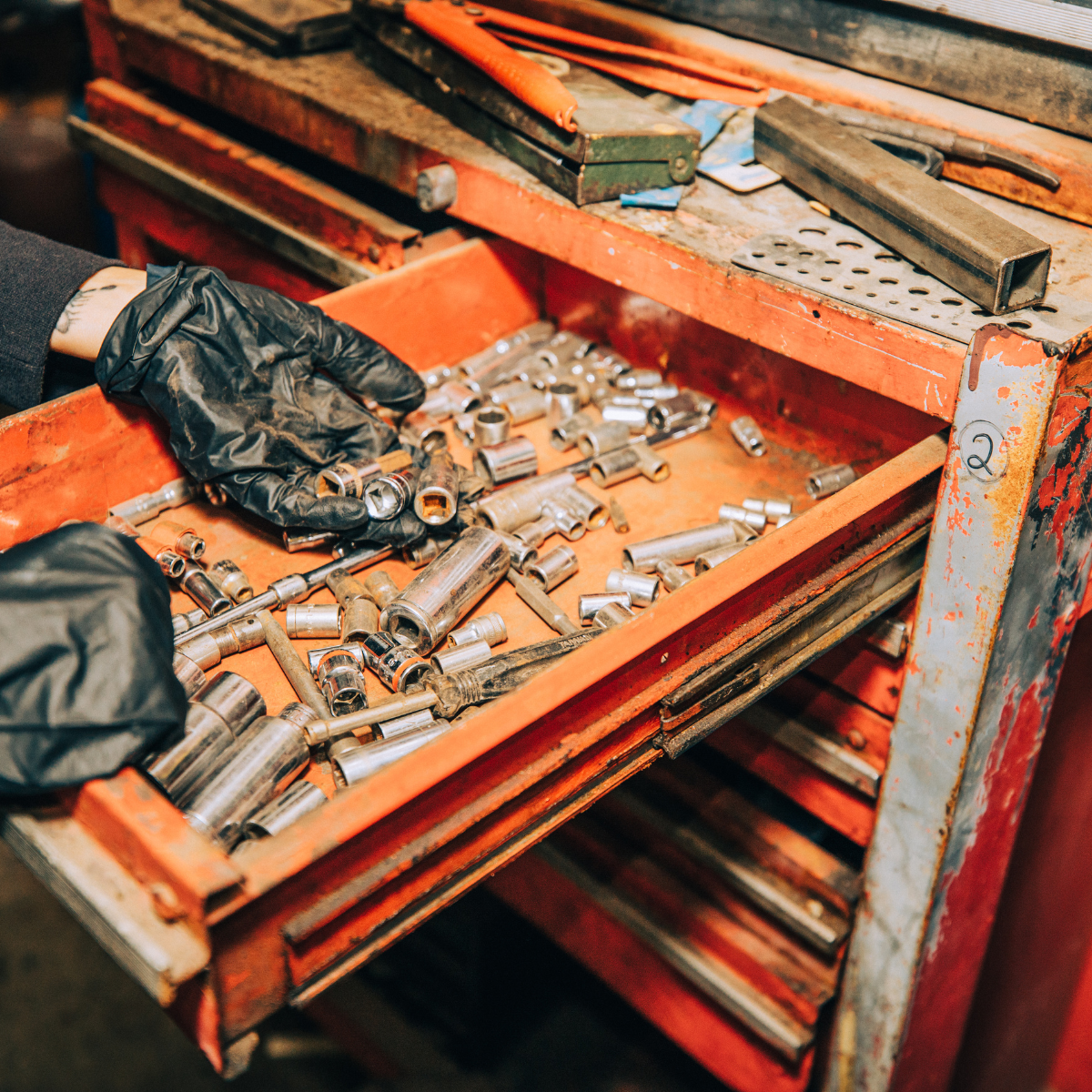
Gather your tools. These include a hammer drill, carbide-tipped masonry drill bit, wall plugs and screws, spirit level, measuring tape and pencil, as well as safety goggles and a dust mask.
2.
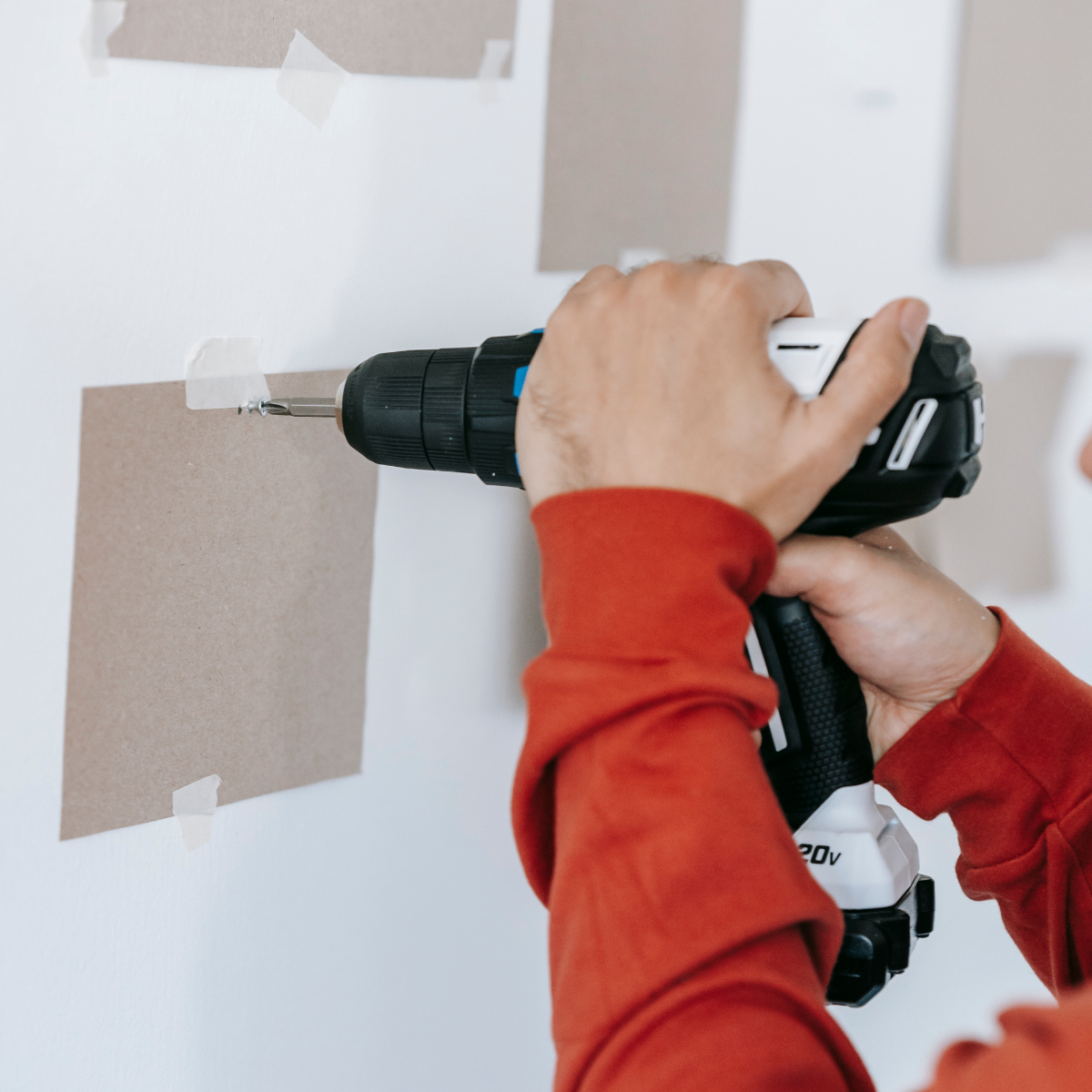
Mark the spot for drilling. Use a measuring tape and pencil to mark the exact spot where you want to drill.
3.
Use a spirit level to ensure the marks are aligned.
4.
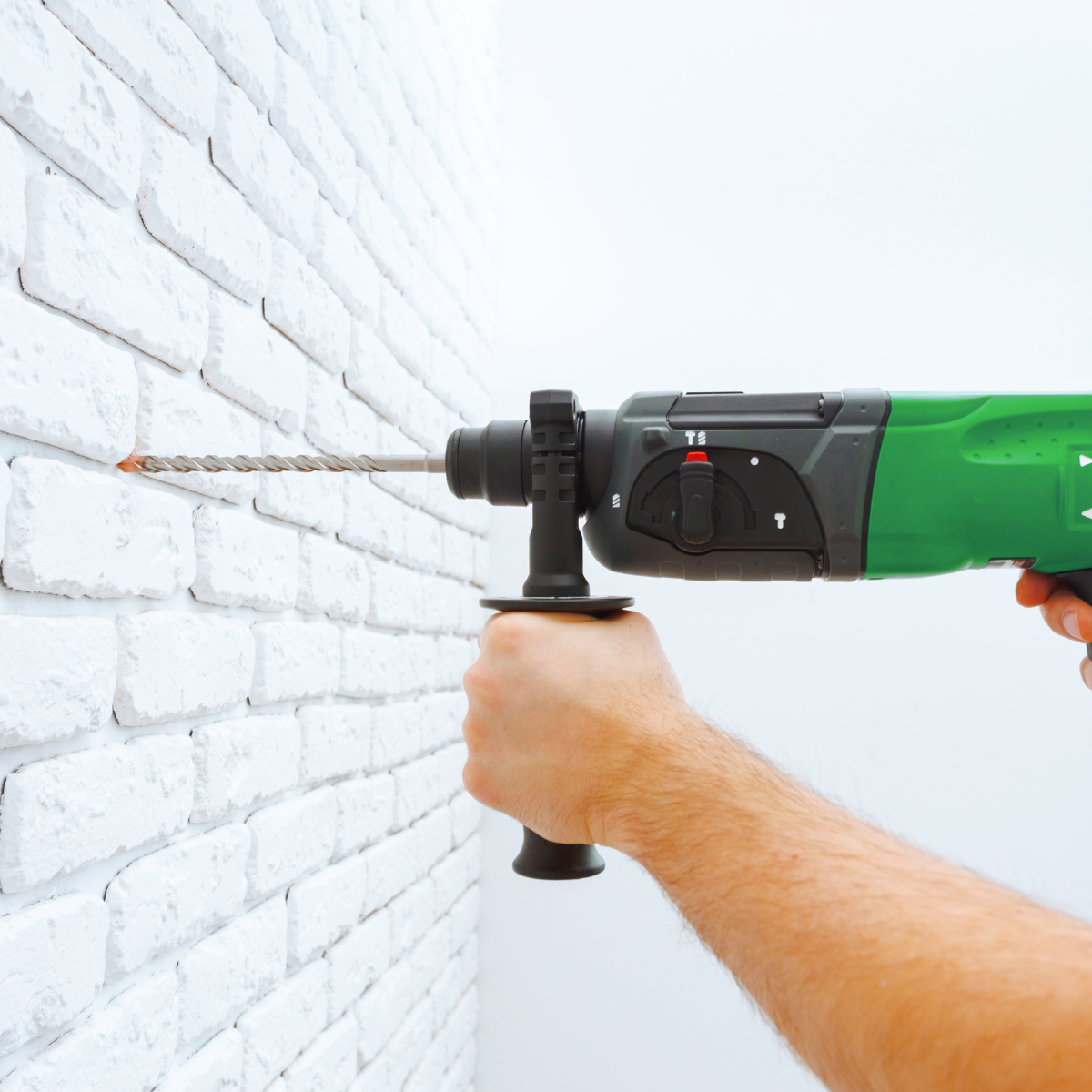
Start drilling. Attach the masonry drill bit to your hammer drill. Set the drill to hammer mode and start at a low speed. Always apply steady pressure but avoid forcing the drill.
5.
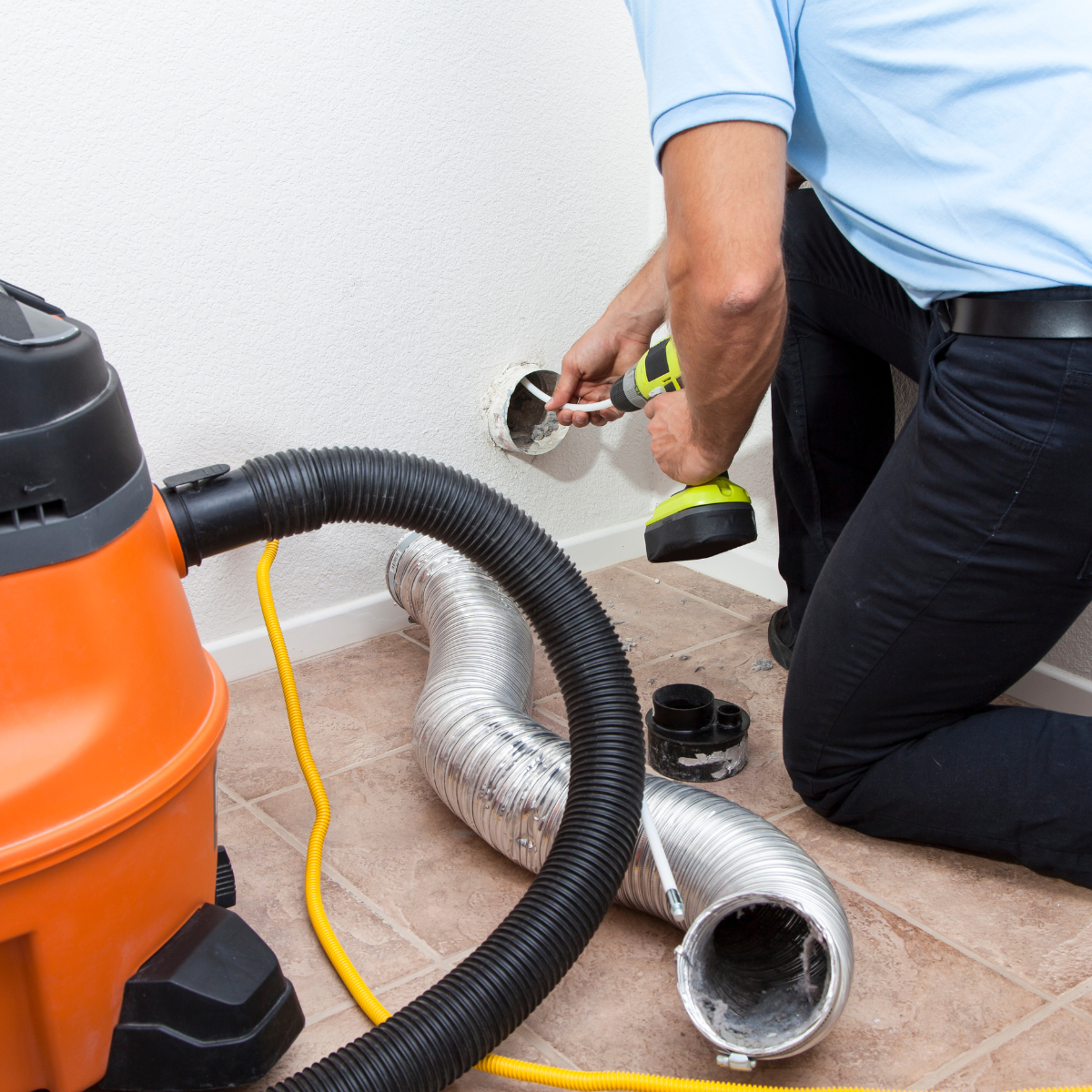
Clear the dust and cool down. To do this, periodically pull the drill out to clear dust from the hole. If the drill overheats, let it run without resistance to cool down.
6.
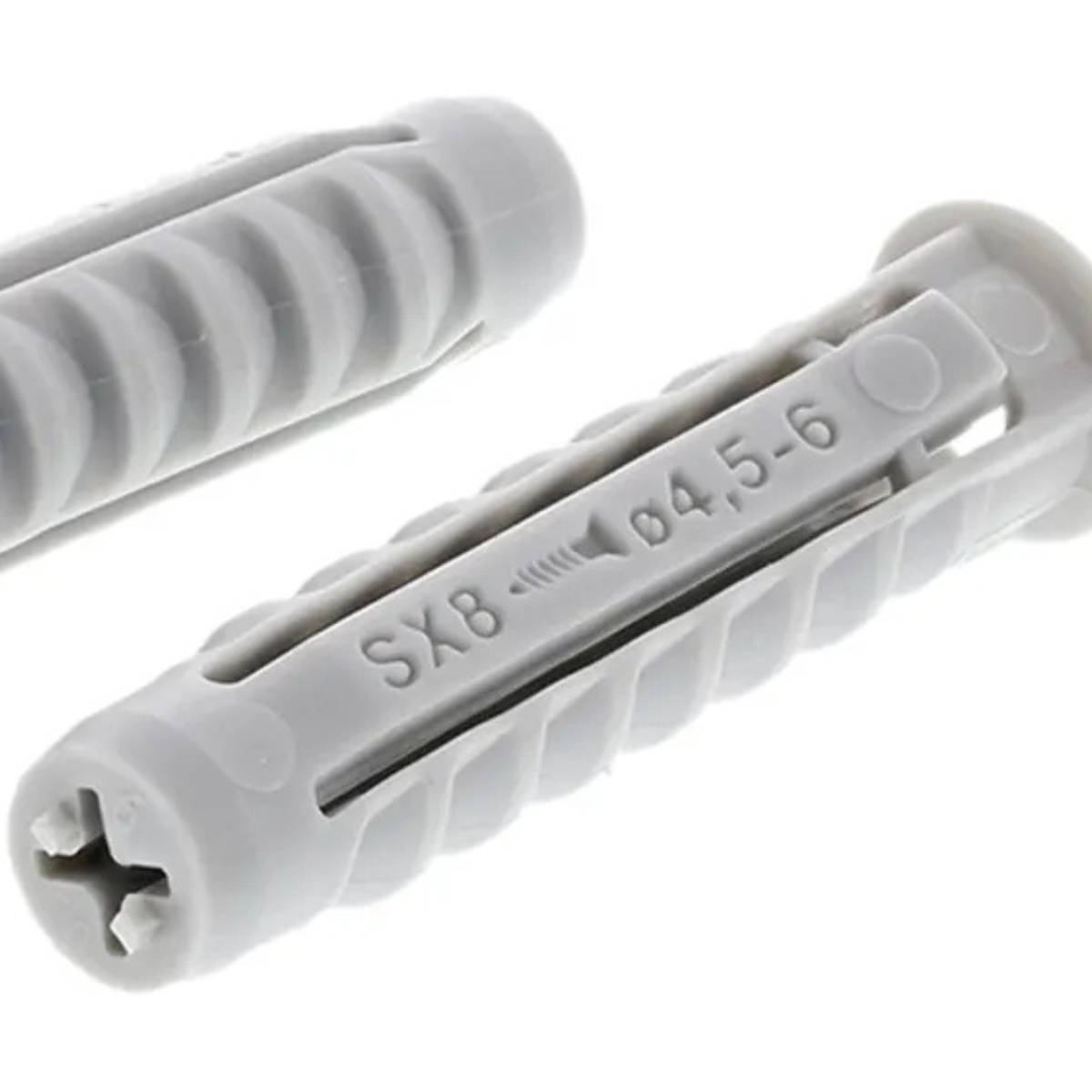
Insert wall plugs. Once the hole is drilled, tap the wall plug into place using a hammer. Ensure the plug is flush with the wall.
7.
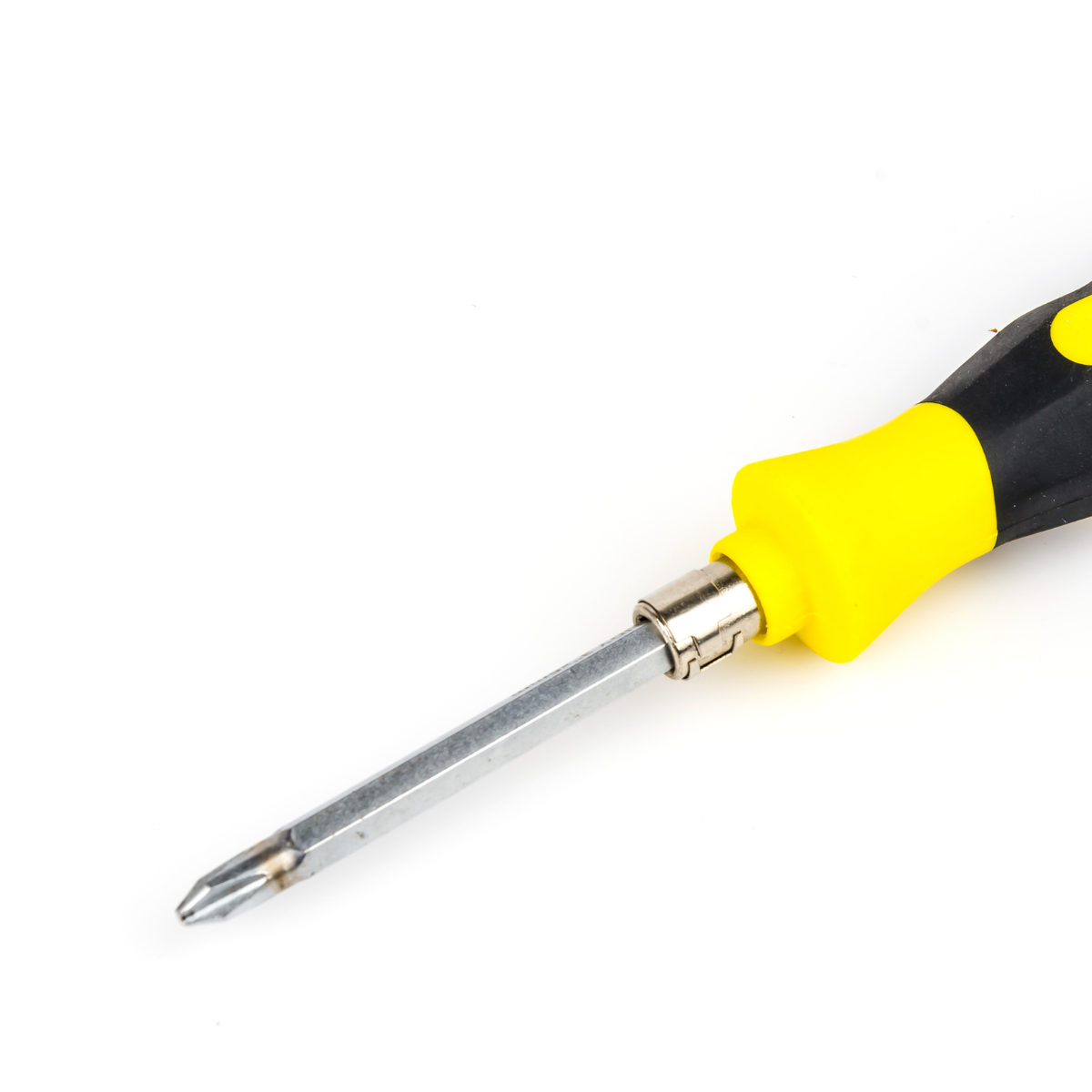
Secure your fixture. Insert the screw into the wall plug and tighten it using a screwdriver or drill.

Safety Tips
☑️ Always wear safety gear such as safety goggles and a dust mask to protect yourself from debris and dust.
☑️ Check for wires and pipes. Use a stud finder or wire detector to ensure you’re not drilling into electrical wires or plumbing.
☑️ Secure your work area. Make sure it is clear of obstacles and that you have a stable footing.
Drilling into concrete walls in BTO HDB units doesn’t have to be daunting if you have the right tools and techniques. A carbide-tipped masonry drill bit, combined with a hammer drill, is the most effective way to tackle concrete walls. Remember to start slow, clear dust regularly, and let your drill cool down if it overheats. For precision, always use a spirit level to ensure your fixtures are perfectly aligned. With these tips, you’ll be able to drill into concrete walls with confidence and achieve professional results every time!
Drill your wall like a professional handyman. Drill safely and properly, without damaging your property. Refer to our other handy guides and unique drilling tips for HDB units:
🔩How To Drill a Hole in a Wall: A Comprehensive Guide
🔩How To Choose the Right Drill for Your HDB Wall: A Complete Guide
🔩Why Can’t You Drill Into Your Wall: Understanding HDB Regulations and Wall Types in Singapore
🔩Covering Up Holes in the Wall of Your HDB Flat? Here Are Some Easy Tips