For fitness enthusiasts in Singapore’s space-conscious homes, building a functional home gym requires smart solutions. Free-standing equipment often occupies a premium, and this is where the wall mounted chin up bar Singapore residents can install becomes a game-changer. This comprehensive guide delves into everything you need to know—from selecting the ideal type for your HDB flat to ensuring a safe and secure installation that complies with local regulations.
A wall-mounted chin up bar represents a permanent commitment to fitness, seamlessly integrating into your living space. Unlike doorway models that can damage frames and have weight limitations, or freestanding units that consume valuable floor area, a wall-mounted bar offers unparalleled stability and strength. It transforms an unused wall section into a dedicated strength-training zone, enabling a wide range of exercises from pull-ups and chin-ups to leg raises and knee tucks. For the urban dweller, this space efficiency is not just a convenience but a necessity.

Navigating the Different Types of Wall-Mounted Chin Up Bars
Understanding the variations in design and function is the first step toward making an informed purchase. Not all bars are created equal, and the right choice depends on your fitness goals, available space, and aesthetic preferences.
The Simple Horizontal Bar
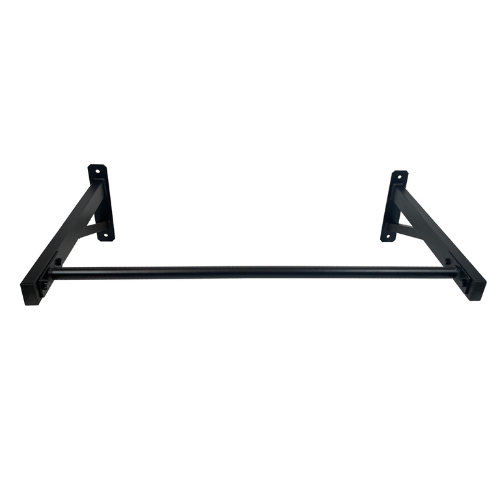
This is the classic design, a single, straight bar mounted to the wall with two sturdy brackets. Its simplicity is its greatest strength, offering a pure and focused pull-up experience. It requires the least amount of space and is often the most economical choice. However, it typically only supports a neutral or overhand grip, limiting grip variety.
Multi-Grip Pull-Up Bars
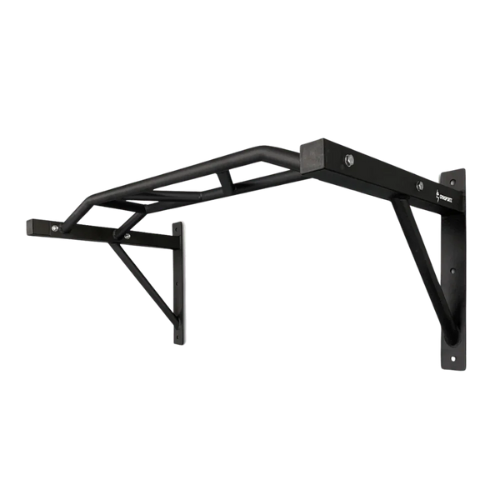
A step up in functionality, multi-grip bars feature multiple handholds set at different angles. You will find parallel grips, wide grips, and close grips all on a single unit. This variety allows you to target different muscle groups in your back, arms, and shoulders during each workout, making it a superior choice for comprehensive upper body development.
Wall-Mounted Pull-Up Stations or Cages
For those with more space and ambition, a full wall-mounted station is the ultimate solution. These systems extend beyond a simple bar, often incorporating additional features like vertical grips for climbing, pegs for isolated pull-ups, or even attachment points for suspension trainers and punching bags. They make a bold statement and offer the most diverse training possibilities, effectively turning your wall into a complete calisthenics hub.
Understanding Chin-Up Bars vs. Pull-Up Bars
Many people use the terms chin-up and pull-up bar interchangeably, but a key distinction exists in the grip and muscle emphasis. A chin-up employs a supinated, or underhand, grip with palms facing the user. This grip position places greater emphasis on the biceps and lower lats. Conversely, a pull-up uses a pronated, or overhand, grip with palms facing away, which shifts the primary workload to the larger muscles of the back, particularly the lats and rhomboids. While a single bar can often accommodate both grips, the design intent matters. A dedicated chin-up bar might have a narrower grip width to suit the biomechanics of the underhand movement. Understanding this difference helps users select a bar that aligns with their fitness goals, whether for building broader back muscles or focusing on arm strength. For most home installations, a versatile wall mounted pull up bar that supports multiple grip positions offers the greatest exercise variety. This versatility prevents overuse injuries by allowing individuals to vary their grip and distribute the workload across different muscle groups.
Selecting the Right Wall-Mounted Bar for Your Space
The choice of a wall-mounted bar extends beyond simple strength requirements; it involves a careful assessment of your available space, intended use, and installation environment. For rooms with limited square footage, a folding wall mounted pull up bar presents an ideal solution, as it can be pivoted flat against the wall when not in use, maximizing floor space. For those planning an installation on an external balcony or patio, an outdoor wall mounted pull up bar constructed from powder-coated or galvanized steel is essential to resist rust and corrosion caused by Singapore’s humid climate. Users who require a bar for high-intensity workouts, kipping pull-ups, or added weight via a dip belt must prioritize a heavy duty wall mounted pull up bar with a significantly higher weight capacity and reinforced mounting brackets. While some may consider a DIY wall mounted pull up bar project, this approach carries substantial risk unless one possesses advanced engineering knowledge and metalworking skills, as improper construction can lead to catastrophic failure. Reputable brands like the rogue wall mount pull up bar set the industry standard for safety and durability, offering models with proven designs. For households with multiple users of different heights, an adjustable wall mounted pull up bar with telescopic arms or multiple mounting points can greatly enhance convenience. Ultimately, identifying the best wall mounted pull up bar is a personal decision based on weighing these specific factors against your individual training needs and spatial constraints.
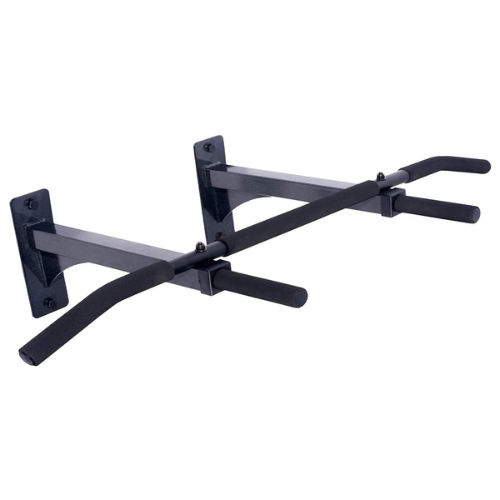
Your Guide to Buying the Best Wall Mounted Chin Up Bar
Selecting the right unit involves more than just picking a design you like. Several critical factors demand your attention to ensure you invest in a product that is safe, durable, and perfectly suited to your needs.
Weight Capacity and Structural Integrity
This is the most important consideration. Always check the manufacturer’s stated weight capacity and choose a bar that significantly exceeds your body weight. This provides a critical safety margin and accounts for dynamic forces during exercise. Look for bars made from high-tensile steel and finished with corrosion-resistant powder coating, especially important in Singapore’s humid climate.
Mounting Hardware and Wall Compatibility
The included hardware is what stands between a secure installation and a potential accident. Ensure the bar comes with high-grade steel bolts and expansion anchors designed for heavy loads. You must then match this hardware to your wall type. HDB walls are typically made of reinforced concrete or brick, which require specific anchors. Hanging a heavy-load bar on a partition or drywall is extremely dangerous and must be avoided.
Ergonomics and Comfort
Consider the diameter of the bar. A very thick bar can challenge those with smaller hands, while a very thin one might be uncomfortable for extended sets. A knurled or textured grip surface enhances hold and security, preventing slips during intense workouts. Some bars come with padded grips, which offer comfort but may require more maintenance.
Aesthetic and Spatial Considerations
Measure your available space not just for the bar itself, but for the clearance needed to perform exercises without obstruction. Also, think about how the unit’s design and color will blend with your room’s decor. A well-chosen bar can look like an intentional piece of your home’s design, not an afterthought.
The Critical Process of Installation and Positioning
Proper installation is non-negotiable. A mistake here can lead to damaged walls, property damage, or personal injury.
| Step | Details |
|---|---|
| Step 1: Finding the Perfect Position | Height is your primary concern. The bar should be mounted high enough that your feet clear the ground when hanging with your arms fully extended, with a slight bend in your knees if desired. Ensure there is ample space in front and to the sides of the bar for a full range of motion. Avoid positioning directly behind ceiling fans or light fixtures. |
| Step 2: The Importance of Wall Studs and Solid Masonry | A wall mounted chin up bar must be anchored into solid material. In concrete HDB walls, this means using a professional-grade rotary hammer drill to create clean holes for heavy-duty expansion anchors. Simply drilling into plaster or using inadequate plastic plugs is a recipe for failure. The HDB provides guidelines for renovations, and while mounting a chin-up bar is generally acceptable, using a professional service ensures you drill correctly and avoid damaging hidden electrical conduits or plumbing. |
| Step 3: The Mounting Process | The process involves carefully marking the drilling points using a template or precise measurements, ensuring everything is level. Drilling the pilot holes to the exact diameter and depth required by your anchors is a technical task. Once the holes are clean, the anchors are inserted, the brackets are positioned, and the high-tensile bolts are torqued down to specification. This is not a job for a simple household drill and guesswork. |
Want a secure, damage-free chin-up bar installation in your HDB flat? FixFirst’s certified handymen use professional-grade tools and follow HDB-compliant drilling procedures to ensure maximum safety and stability
Why Choose a FixFirst Handyman To Install Your Wall-Mounted Chin Up Bar
While a DIY approach might seem tempting, entrusting the installation of a heavy-load fitness apparatus to a professional handyman service like FixFirst is the wisest decision for safety, compliance, and peace of mind. Our technicians bring a wealth of practical experience specifically related to Singaporean HDB construction. They intuitively understand the density of our concrete walls and the precise techniques required to anchor into them without causing structural micro-fractures or surface spalling.
We come equipped with industrial-grade tools—powerful rotary hammer drills, professional torque wrenches, and even high-quality anchors—that are not typically found in a home toolkit. This ensures the mounting is not just secure, but impeccably finished. Furthermore, our expertise allows us to identify and avoid potential hazards within your walls, such as electrical wiring and rebar, which a novice might accidentally hit. By choosing FixFirst, you are not just paying for a service; you are investing in the certainty that your fitness journey is built on the most secure foundation possible, protecting your home, your equipment, and most importantly, yourself.

Frequently Asked Questions (FAQs) - Wall Mounted Chin Up Bar Singapore
Weight limits vary significantly by model and quality. Residential bars often support between 150kg and 300kg. Always check the manufacturer’s specifications and choose one that far exceeds your body weight.
Yes, you typically can, provided you anchor it into a structural concrete wall and not a drywall partition. It is always a good practice to ensure your installation method aligns with general HDB renovation guidelines.
The cost can vary based on the wall type and the complexity of the mount. Contacting a service like FixFirst for a quotation is the best way to get an accurate price for your specific situation. We offer the lowest home service rates in Singapore; simply Whatsapp us for a quote.
Doorway bars are temporary, pressure-mounted units that can damage door frames and have lower weight limits. Wall-mounted bars, on the other hand, are permanently fixed with bolts into solid walls, thus offering superior stability, higher weight capacity, and greater safety.
In HDB flats, exterior walls and most internal walls are made of reinforced concrete or brick, which are suitable. The only walls to avoid are thin partition walls, which are hollow and clearly not structural.
A diameter between 1 to 1.25 inches (approx. 2.5cm to 3.1cm) is standard and comfortable for most users.
While it is physically possible, it is not recommended unless you have significant experience drilling into concrete, identifying solid mounting points, and using the correct heavy-duty anchors and tools. An improper installation is a major safety risk.
This depends on the design. A simple horizontal bar may extend 16-20 inches, while a multi-grip bar could extend further. Ensure you have enough clearance to perform exercises without hitting the wall.
A professional installation will create small, precise holes for the anchors. If you ever remove the bar, these holes will need to be patched, similar to any other mounted fixture.
Only if the manufacturer explicitly states that the bar is rated for such dynamic and potentially high-force applications. Adding external loads changes the force vectors and can overload the brackets or anchors.
Regularly check the bolts and brackets for tightness. Wipe down the bar with a dry or slightly damp cloth after use to remove sweat and prevent corrosion.
Installing a wall-mounted chin-up bar is a powerful step toward taking control of your fitness within your own home. It represents an efficient use of space, a commitment to health, and a versatile tool for building strength. The journey from selection to installation requires careful thought, a focus on quality materials, and above all, a commitment to safety. By choosing the right equipment and partnering with a skilled professional for installation, you create a durable and safe training environment that will serve you for years to come. Ready to transform your space? Contact FixFirst today over Whatsapp for precise, secure mounting and installation of your new home gym centerpiece.