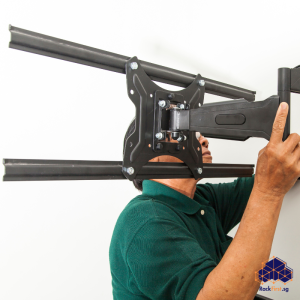
Drilling into walls is a common task for homeowners, whether you’re mounting shelves, installing a TV, or hanging decorations. However, in HDB flats, drilling requires careful preparation, especially since walls can be made of different materials, each with its own challenges. From concrete load-bearing walls to partition dry walls and brick walls, understanding what you’re dealing with is key to a successful and safe drilling project. In this article, we’ll walk you through the essential things to prepare before drilling into your wall, tailored to the unique wall types found in HDB flats.
Identify Your Wall Type
Before you start drilling, it’s important to identify the type of wall you’re working with. HDB flats typically feature three main wall types:
- Concrete Load-Bearing Walls: These are thick, sturdy walls that support the building’s structure and are recognizable as thick black blocks on your floor plan. Drilling into these walls requires a powerful drill and the right drill bits.
- Partition Dry Walls: These are non-load-bearing walls made of lightweight materials like gypsum or plasterboard. Drilling is easier, but you’ll need wall plugs to mount items securely.
- Brick Walls: Found in older HDB flats, these walls are made of bricks and mortar. Drilling into brick walls requires masonry drill bits and a hammer drill.
Tools and Materials You’ll Need
The tools and materials you need will depend on the type of wall you’re drilling into. Here’s a general checklist:
For All Wall Types
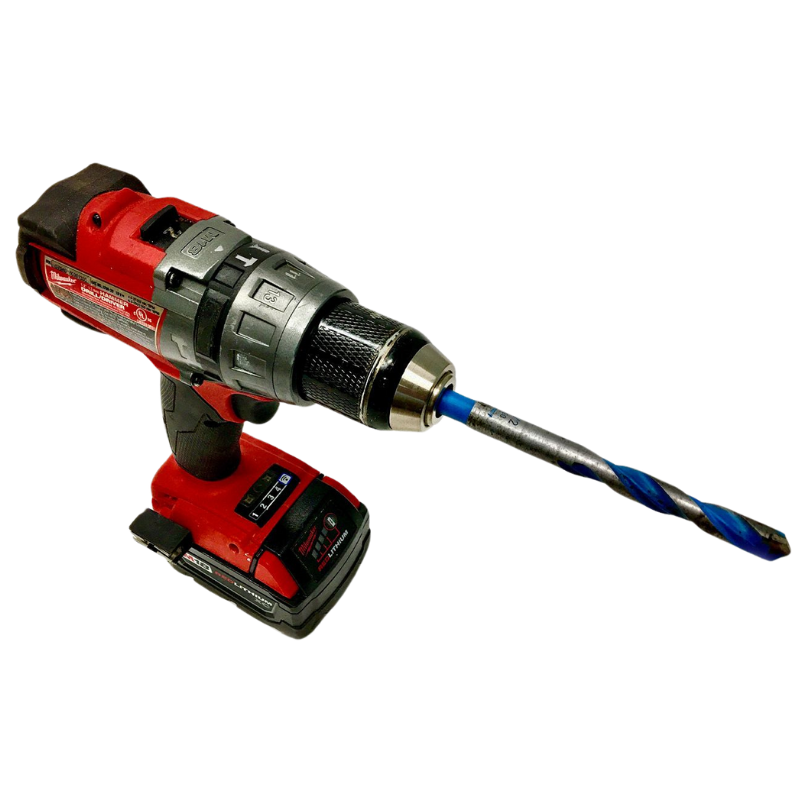
☑️ Power Drill: A corded or cordless drill with adjustable speed settings.
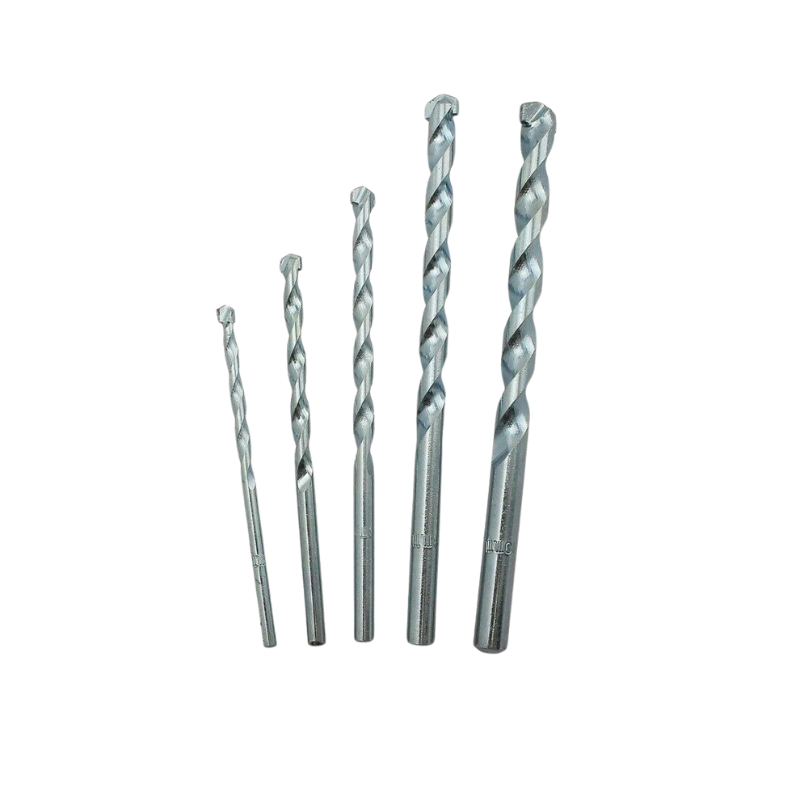
☑️ Drill Bits: Choose the right type based on the wall material (more on this below).
☑️ Wall Plugs: Also known as anchors, these are essential for securing screws in drywall or hollow walls.
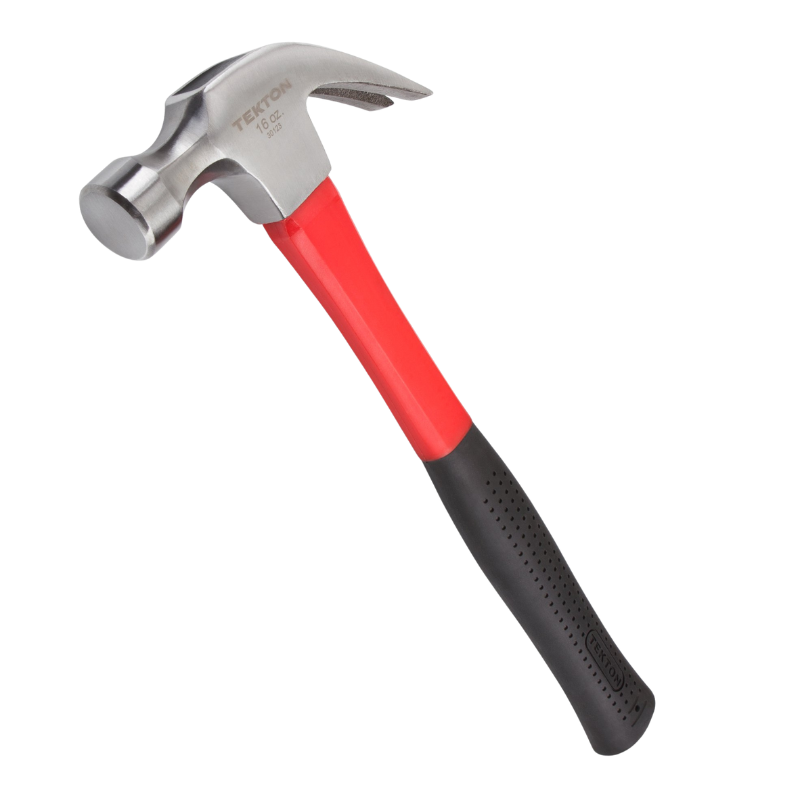
☑️ Hammer: For gently tapping wall plugs into place.
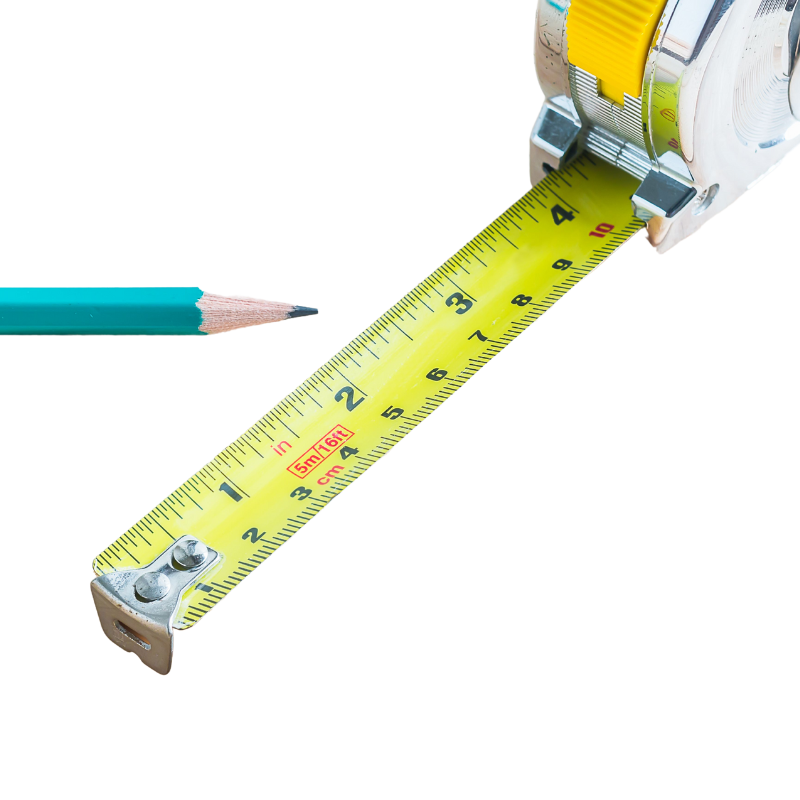
☑️ Measuring Tape and Pencil: For marking the drilling spot accurately.
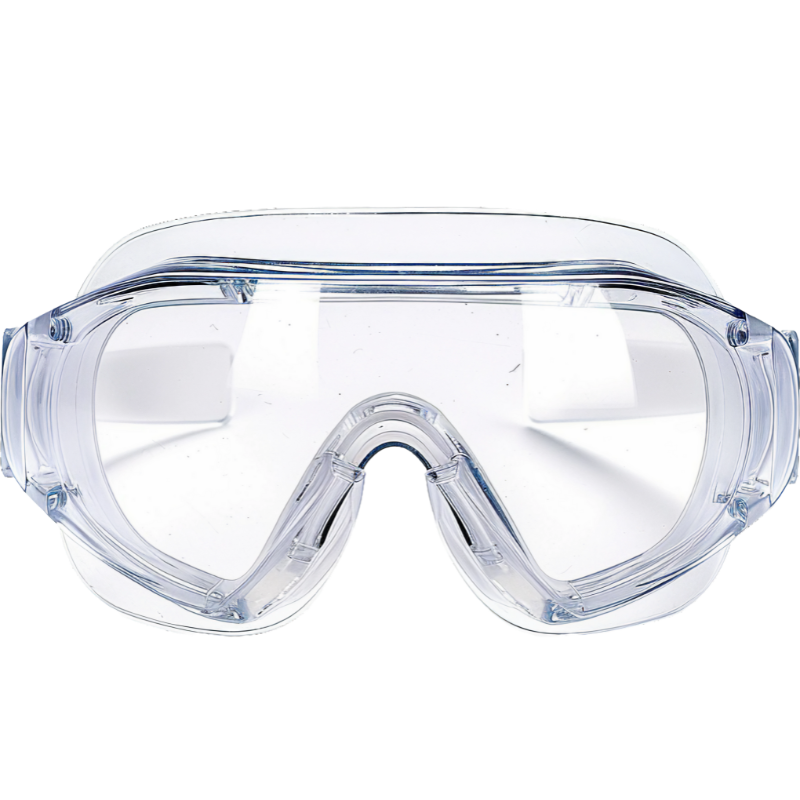
☑️ Safety Gear: Safety goggles and a dust mask to protect yourself from debris.
☑️ Spirit Level: To ensure your holes are perfectly aligned for fixtures like shelves or TV mounts.
Additional Tools for Specific Wall Types
☑️ Concrete Walls: Carbide-tipped masonry drill bits and a hammer drill.
☑️ Dry Walls: Standard twist drill bits and wall plugs.
☑️ Brick Walls: Masonry drill bits and a hammer drill.


Preparing for Concrete Load-Bearing Walls
- Choose the right drill bit. Use a carbide-tipped masonry drill bit designed for concrete. These bits are strong enough to handle the hardness of concrete.
- Use a pencil and measuring tape to mark the exact spot where you want to drill. Double-check the measurements to ensure accuracy.
- Check for hidden hazards. Use a stud sensor or wire detector to ensure there are no electrical wires or water pipes behind the wall. If you’re unsure, consult a professional.
- Set your drill to the hammer function and start drilling at a low speed. Apply steady pressure but avoid forcing the drill, as this can overheat the bit.
- Once the hole is drilled, insert a wall plug that matches the size of your screw. Tap it gently with a hammer until it’s flush with the wall.
Preparing for Partition Dry Walls
- Use a standard twist drill bit for drywall. These walls are soft, so you won’t need a heavy-duty bit.
- Measure and mark the drilling spot with a pencil. Use a spirit level to ensure the marks are aligned.
- Check for studs because drilling into a stud provides extra support. If you’re mounting something heavy, use a stud sensor to locate the studs behind the drywall.
- Start drilling, but do it slowly to avoid damaging the wall. Drywall is soft, so you won’t need much pressure.
- Insert wall plugs. Drywall alone cannot support heavy items, so always use wall plugs to anchor your screws. Choose a wall plug that matches the size of your drill bit and screw.
Preparing for Brick Walls
- Use a masonry drill bit designed for brick and mortar. These bits are strong enough to handle the hardness of bricks.
- Measure and mark the drilling spot with a pencil. Use a spirit level to ensure the marks are aligned.
- Check for hidden hazards. Use a stud sensor or wire detector to ensure there are no electrical wires or water pipes behind the wall.
- Set your drill to the hammer function and start at a low speed. Apply steady pressure but avoid forcing the drill, as this can overheat the bit.
- Insert wall plugs. Once the hole is drilled, insert a wall plug that matches the size of your screw. Tap it gently with a hammer until it’s flush with the wall.
HDB Regulations on Drilling
HDB has specific guidelines to ensure the safety and structural integrity of its buildings. Here’s what you need to know:
What Can You Drill?
- Concrete Load-Bearing Walls: You can drill small holes for mounting shelves, TV brackets, or other fixtures. However, you cannot hack, remove, or make large modifications to these walls, as they are critical to the building’s structure.
- Partition Walls: These walls are non-structural, so drilling is generally allowed. However, you must avoid excessive force that could crack or damage the wall.
- Brick Walls: Drilling is permitted, but you must use the correct tools (e.g., masonry drill bits) and techniques to avoid damaging the bricks or mortar.
If you’re drilling in the middle of a wall with no sockets, switches, or wet areas, you’re almost 100% safe. Electrical wires and water pipes are unlikely to run through these areas. As much as possible, avoid drilling directly above, below, or beside these fixtures unless you’re certain of the wiring layout. And be cautious when drilling near sinks, showers, or toilets, as water pipes may be present.
Drilling into electrical wires or water pipes is dangerous. To identify and avoid these hazards, use a stud sensing device. A stud sensor or wire detector is a handy tool that can help you locate studs, electrical wires, and pipes behind walls. Simply run the device along the wall, and it will alert you to any hidden hazards.
It’s also best to familiarize yourself with the electrical wiring system in your flat. In HDB flats, electrical wires typically run vertically or horizontally from sockets and switches. If you’re drilling near a socket or switch, there’s a higher chance of hitting a wire. Avoid drilling directly above, below, or beside these fixtures unless you’re certain of the wiring layout. As for water pipes, they are usually located near wet areas like kitchens and bathrooms. If you’re drilling in these areas, proceed with caution and use a stud sensor to check for pipes.
Prohibited Actions
🚫Hacking or removing any part of a load-bearing wall.
🚫Drilling near electrical wiring or water pipes without proper precautions.
🚫Making unauthorized modifications that affect the building’s structure or safety.
When Can You Drill?
Drilling is generally allowed during daytime hours (e.g., 9 AM to 6 PM) to avoid disturbing your neighbors. Avoid drilling late at night or early in the morning, as this can lead to noise complaints. And, if you’re moving into a new BTO flat, drilling and other modifications must be completed within the renovation period specified by the HDB.
Safety Tips
☑️ Always wear safety gear such as safety goggles and a dust mask to protect yourself from debris.
☑️ Check for wires and pipes before drilling. Use a stud finder or wire detector to ensure you’re not drilling into electrical wires or plumbing.
☑️ Secure your work area. Make sure the area is clear of obstacles and that you have a stable footing.
☑️ Start small. If you’re unsure about the wall’s composition, start with a small pilot hole to test the material.
When To Call a Professional
While drilling small holes is a DIY-friendly task, larger projects or uncertainties about the wall’s condition may require professional help. If you’re dealing with extensive cracks, holes, or unsure about the location of wires and pipes, it’s best to consult a handyman or contractor.
Drilling into your HDB wall doesn’t have to be daunting if you’re well-prepared. By identifying your wall type, gathering the right tools, and following safety precautions, you can tackle any drilling project with confidence. Whether you’re dealing with concrete, drywall, or brick walls, these tips will help you achieve a professional and secure result. Happy drilling!
Drill your wall like a professional handyman. Drill safely and properly, without damaging your property. Refer to our other handy guides and unique drilling tips for HDB units:
🔩How To Drill a Hole in a Wall: A Comprehensive Guide
🔩Best Drill Bit for Concrete Walls in BTO HDB Units
🔩How To Choose the Right Drill for Your HDB Wall: A Complete Guide
🔩Why Can’t You Drill Into Your Wall: Understanding HDB Regulations and Wall Types in Singapore
🔩Covering Up Holes in the Wall of Your HDB Flat? Here Are Some Easy Tips