How To Choose the Right Drill for Your HDB Wall: A Complete Guide
How To Choose the Right Drill for Your HDB Wall: A Complete Guide
Drilling into walls is a common task for homeowners, whether you’re mounting shelves, installing a TV, or hanging decorations. Some home repair works and installation projects even involve drilling. However, not all walls are created equal, and choosing the right drill for your HDB wall is crucial to getting the job done efficiently and safely. In HDB flats, walls can be made of concrete, drywall, or brick, each requiring a different approach and tools. This guide will help you select the right drill for your needs and provide essential tips for drilling into HDB walls.
Understanding the Different HDB Wall Types
Before choosing a drill, it’s important to identify the type of wall you’re working with. HDB flats typically feature three main wall types:
1.Concrete Load-Bearing Walls
These are thick, sturdy walls that support the building’s structure, and they are recognizable as thick black blocks on your floor plan. You can drill into them, but they are hard and require a powerful drill. It is important to never hack or remove these walls, as they are critical to the building’s integrity.
2.Partition Dry Walls
These are non-load-bearing walls made of lightweight materials like gypsum or plasterboard. Drilling is easier, but you’ll need wall plugs to mount items securely.
3.Brick Walls (Older HDB Units)
Found in older HDB flats, these walls are made of bricks and mortar. They are softer than concrete but harder than drywall, requiring a masonry drill bit.
concrete load bearing wall
partition dry wall
brick walls
Choosing the Right Drill
Hammer Drill for Concrete and Brick Walls
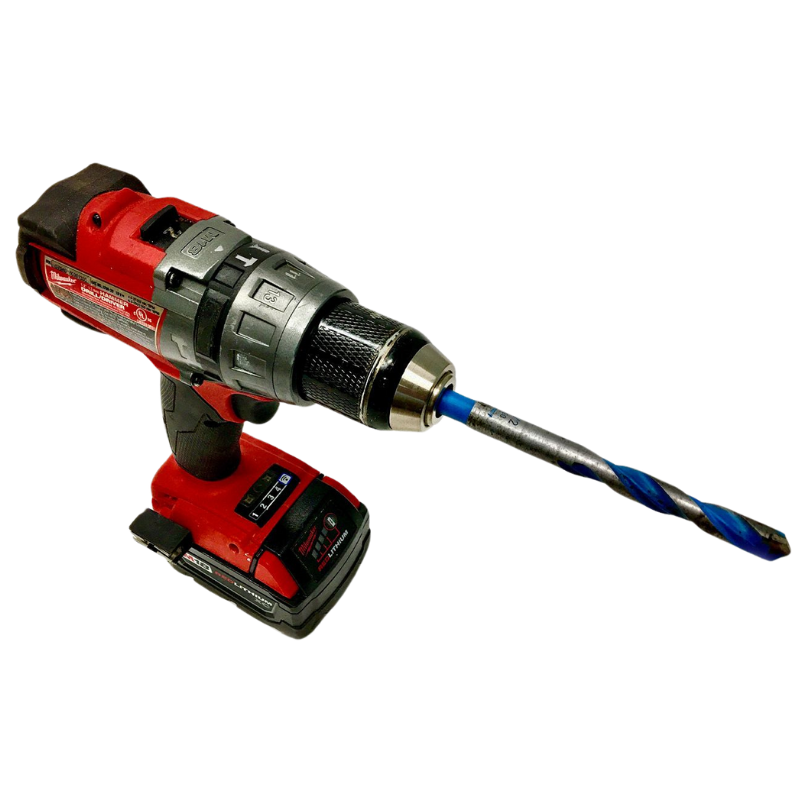
A hammer drill is the best choice for drilling into concrete and brick walls. It combines rotational force with a hammering action, making it highly effective for tough materials. A hammer drill has a specialized mechanism that delivers rapid, short hammer thrusts while rotating. This dual action allows it to break through hard materials like concrete and brick.
hammer drill
concrete load bearing wall
brick walls
Brushless vs. Non-Brushless Drills
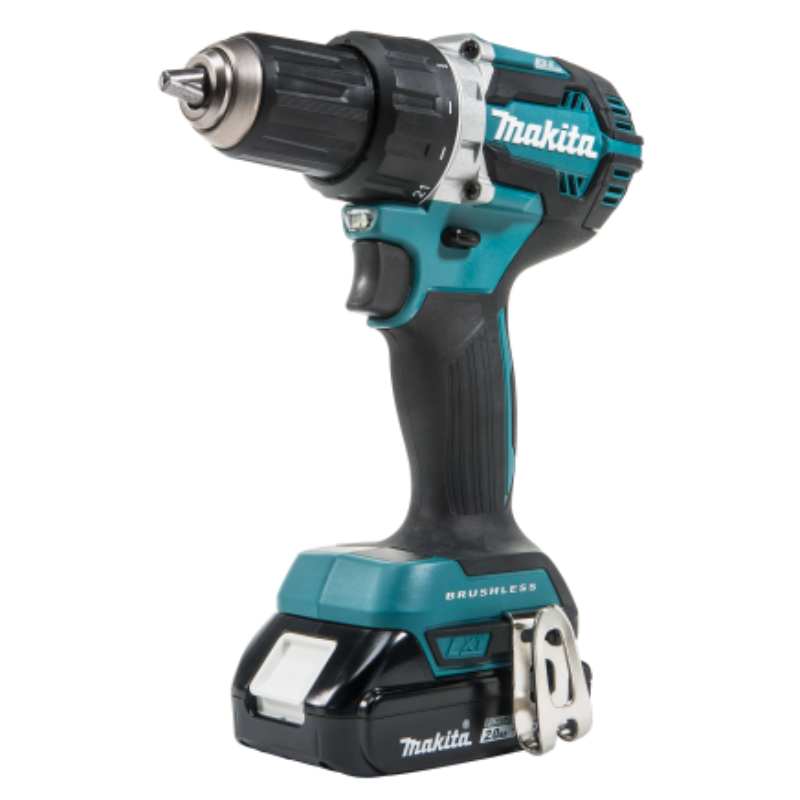
Brushless drills are more efficient, generate less heat, and have a longer lifespan. They are ideal for heavy-duty tasks like drilling into concrete. In contrast, non-brushless drills are more affordable but less efficient and may overheat faster during prolonged use.
non brushless drill
brushless drill
Standard Drill for Dry Walls
For partition dry walls, a standard cordless drill is sufficient. These walls are soft and easy to drill into, so you don’t need the hammering action of a hammer drill.
Essential Drilling Tips
✔️For concrete and brick walls, use a carbide-tipped masonry drill bit. This bit is designed to handle the hardness of concrete and brick.
✔️Choose a bit size that matches your wall plug or anchor.
✔️Start at a low speed. Begin drilling at a slow speed to create a pilot hole. This prevents the drill bit from slipping and ensures accuracy. Then gradually increase the speed as you drill deeper.
✔️If your drill starts to overheat, stop drilling and let it run without resistance for a few seconds. This cools down the rotation mechanism. Clear dust from the hole regularly, as well. This reduces friction and prevents overheating.
✔️After drilling, insert a wall plug into the hole. If it’s hard to hammer in, don’t worry because this means it will hold tighter once in place.
✔️For dry walls, just use a standard twist drill bit. Drywall is soft, so a standard drill bit is sufficient. Drill slowly to avoid damaging the wall. Then install wall plugs. Drywall alone cannot support heavy items, so always use wall plugs to anchor your screws. Remember to match the wall plug size to your drill bit and screw.
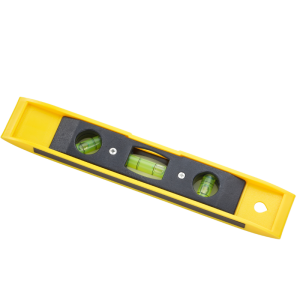
✔️Use a spirit level when drilling for TV mounts, shelves, or other fixtures. A spirit level (also known as a bubble level) ensures that your holes are perfectly aligned and your fixtures are level. For larger shelves or TV mounts, use a longer spirit level to ensure even weight distribution and a professional finish.
How To Use a Spirit Level
Mark the drilling points with a pencil.
Place the spirit level on the wall, aligning it with the marks.
Adjust the position until the bubble is centered between the lines.
Double-check the alignment before drilling.
spirit level
Step-by-Step Guide to Drilling into HDB Walls
For Concrete and Brick Walls
Gather your tools. These include a hammer drill, carbide-tipped masonry drill bit, wall plugs and screws, spirit level, measuring tape and pencil, as well as safety goggles and a dust mask.
Mark the drilling spot using a measuring tape and pencil.
Use a spirit level to ensure the marks are aligned.
Attach the masonry drill bit to your hammer drill. Set the drill to hammer mode and start drilling at a low speed. Apply steady pressure but avoid forcing the drill.
Periodically pull the drill out to clear dust from the hole. This minimizes friction and overheating. If the drill overheats, let it run without resistance to cool down.
Insert wall plugs. Once the hole is drilled, tap the wall plug into place using a hammer. Ensure the plug is flush with the wall.
Secure your fixture. Insert the screw into the wall plug and tighten it using a screwdriver or drill.
For Dry Walls
Gather your tools. These include a standard cordless drill, twist drill bit, wall plugs and screws, spirit level, as well as a measuring tape and pencil.
Measure and mark the drilling spot with a pencil.
Use a spirit level to ensure the marks are aligned.
Start drilling. Drill slowly to avoid damaging the drywall.
Insert a wall plug into the hole and tap it gently with a hammer.
Secure your fixture by inserting the screw into the wall plug and tightening it.
Safety Tips
☑️ Wear safety gear when drilling. Always wear safety goggles and a dust mask to protect yourself from debris.
☑️ Check for wires and pipes. Use a stud finder or wire detector to ensure you’re not drilling into electrical wires or plumbing.
☑️ Secure your work area by making sure it is clear of obstacles and that you have a stable footing.
Choosing the right drill for your HDB wall depends on the type of wall you’re working with. For concrete and brick walls, a hammer drill with a carbide-tipped masonry bit is essential. For dry walls, a standard cordless drill will suffice. Always use a spirit level to ensure precision when drilling for TV mounts or shelves, and follow safety precautions to avoid accidents. With the right tools and techniques, you can tackle any drilling project in your HDB flat with confidence!
Drill your wall like a skilled handyman. Drill safely and properly, without damaging your property. Refer to our other handy guides and unique drilling tips for HDB units: