The pursuit of a healthier lifestyle in space-constrained Singaporean homes has led to a surge in smart, space-saving fitness solutions such as the punching bag wall mount, wall-mounted squat rack, and the wall-mounted chin up bar. Among these, the wall mounted treadmill represents a significant advancement, merging performance with practicality. This comprehensive guide delves into every facet of owning such a treadmill in Singapore, from the intricacies of selection and HDB-compliant installation to ensuring long-term safety and performance.

Understanding Wall-Mounted Foldable Treadmills
A wall-mounted treadmill is a sophisticated exercise machine engineered to fold vertically and store against a wall, freeing up precious floor space. This design is a game-changer for apartments and HDB flats, transforming a living area or bedroom into a gym in seconds and back again just as quickly. The mechanism relies on a robust mounting bracket permanently fixed to a stud wall. The treadmill deck pivots on this bracket, allowing it to be lowered for use and raised securely for storage.
The Mechanics of Different Wall-Mounted Treadmill Types
Not all wall-mounted treadmills operate identically. Understanding the different systems is crucial for making an informed purchase.
🏃 Hydraulic Pistons or Gas Shocks: Many premium models employ a hydraulic or gas shock system. This mechanism acts like a counterbalance, making the process of lifting and lowering the heavy running deck remarkably smooth and almost effortless. The user guides the deck, and the piston controls the movement, preventing it from slamming up or down. This type is highly recommended for its ease of use and enhanced safety.
🏃 Manual Locking and Lifting Systems: Some more economical or simpler designs may forgo hydraulic assistance. These require the user to physically support the full weight of the deck when raising it, engaging a manual lock or latch to secure it against the wall. While functional, this type demands more physical strength and care during operation.
🏃 Motorized Folding Systems: At the higher end of the spectrum, some treadmills feature a motorized folding mechanism. With the simple press of a button on a remote or console, an integrated motor automatically raises or lowers the deck. This offers the ultimate convenience, eliminating any physical exertion and providing a truly premium user experience.
Pre-Installation Considerations for Your Singapore Home
Before the drill even comes out of the toolbox, several critical factors require careful assessment to ensure a successful and safe installation.
Analyzing Your Space and Wall Structure
The first step is a thorough evaluation of your intended space. You must measure not only the floor area for when the treadmill is in use but, more importantly, the clear wall space needed to accommodate its folded dimensions. Furthermore, you must identify the type of wall you plan to mount it on. Load-bearing concrete walls (often found in HDB bomb shelters) offer the strongest mounting surface. Stud walls (partition walls made of plasterboard on a wooden or metal frame) are common in bedrooms and living areas. Mounting on a stud wall is absolutely possible but requires precise location of the wooden studs behind the plasterboard to anchor the mounting bracket securely. HDB drilling guidelines strictly prohibit drilling into structural beams and columns.
Navigating HDB Renovation Guidelines
As an HDB resident, you must adhere to the renovation guidelines set forth by the Housing & Development Board. These rules are in place to maintain the structural integrity and safety of the building. The guidelines specify where and how you can drill into walls. For instance, drilling deep into reinforced concrete structural elements is not permitted. Always consult the official HDB documentation or engage a professional who is familiar with these regulations to avoid costly penalties or compromising your wall’s integrity.
Gathering the Right Tools and Hardware
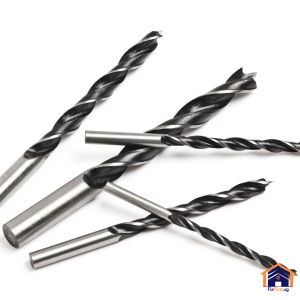
A proper installation demands the correct tools. A professional will arrive equipped with a high-quality stud finder, a powerful drill with hammer action for concrete, a variety of masonry and wood drill bits, a spirit level, socket wrenches, and most critically, the appropriate heavy-duty wall anchors and bolts. The manufacturer-provided hardware is often a starting point; a seasoned installer will assess your specific wall type and may upgrade the anchors to ensure a maximum safety factor.
A Buyer’s Guide to Wall-Mounted Treadmills in Singapore
Selecting the right model involves balancing several key factors specific to your needs and environment.
🏃 Motor Power and Duty Cycle: Consider the motor’s continuous horsepower (CHP), not just peak horsepower. A higher CHP (2.5 and above) provides better consistency and longevity, especially for running. It indicates a motor built for sustained use rather than short walks.
🏃 Deck Size and Cushioning: The length and width of the running belt are critical. Taller individuals will require a longer deck (at least 55 inches) for a comfortable, safe stride. Good cushioning absorbs impact, reducing stress on joints, which is a vital feature for frequent runners.
🏃 Folding Mechanism and Safety Features: Prioritize models with hydraulic or gas-shock assist for effortless and controlled folding. Essential safety features include a safety key that immediately stops the belt if the user falls away, and a secure locking mechanism in the upright position.
🏃 Technology and Programmability: Modern treadmills offer interactive touchscreens, Bluetooth connectivity, and built-in workout programs. Determine your desire for entertainment and guided training versus a straightforward running experience.
🏃 Warranty and Local Support: A lengthy warranty on the motor, frame, and parts is a sign of a quality product. Ensure the brand has accessible local service support in Singapore for any potential maintenance or repairs.
The Definitive Step-by-Step Mounting Guide
While professional installation is strongly advised, understanding the process underscores its complexity.
| Step | Details |
|---|---|
| Step 1: Precise Stud and Anchor Point Location | Use a reliable stud finder to meticulously locate the wooden studs within your plasterboard wall. If mounting on concrete, use a scanner to ensure no electrical conduits or pipes are hidden behind the intended drill points. Always refer to the HDB renovation guidelines before drilling. |
| Step 2: Strategic Bracket Positioning and Marking | Hold the mounting bracket firmly against the wall at the desired height. Using a spirit level, ensure it is perfectly horizontal. Once positioned, mark the exact points for drilling through the bracket’s holes. |
| Step 3: Drilling Pilot Holes | Select a drill bit slightly smaller than the diameter of your wall anchors. For concrete walls, use a masonry bit with a hammer drill. Drill straight into the wall at each marked point to the required depth, clearing any dust from the holes afterward. |
| Step 4: Installing Wall Anchors | For concrete walls, insert heavy-duty concrete anchors (e.g., wedge anchors or sleeve anchors) into the holes. For stud walls, the bracket must be bolted directly into the center of the wooden studs using long, thick lag bolts for maximum strength. |
| Step 5: Securing the Mounting Bracket | Align the bracket with the pilot holes and anchors. Secure it to the wall by tightening the bolts with a wrench. Apply firm, steady pressure until the bracket is immovably fixed. Do not overtighten, as this can strip the anchors or damage the wall. |
| Step 6: Attaching the Treadmill to the Bracket | With the help of at least one other person, carefully lift the treadmill and engage its mounting points with the bracket installed on the wall. Follow the manufacturer’s instructions to ensure it clicks or locks into place securely. |
| Step 7: Final Safety Checks | Conduct a thorough inspection. Gently but firmly try to pull the treadmill away from the wall to test the stability of the installation. Check all locking mechanisms. Repeat this check periodically over time to ensure long-term safety. |
Need a secure, damage-free treadmill installation in your HDB flat? FixFirst’s certified handymen use professional-grade tools and HDB-compliant techniques to ensure your equipment is safe and stable.
Why Choose a FixFirst Handyman To Install Your Wall-Mounted Treadmill
Attempting a DIY installation on a heavy, expensive piece of equipment like a treadmill carries significant risk. An error in judgment can lead to catastrophic failure, causing severe injury to persons and damage to property. A FixFirst handyman brings more than just tools; they bring certified expertise and peace of mind. Our technicians are thoroughly versed in Singapore’s building codes and HDB drilling guidelines, ensuring your installation is not only secure but fully compliant. We possess the specialized knowledge to identify different wall types and select the absolute best anchoring solution for your specific situation, far exceeding the generic instructions in a manual. By choosing FixFirst, you invest in a guarantee of safety. We assume the liability for a perfect installation, protecting your investment and, most importantly, your household. Our efficiency turns a complex, hours-long task into a swift, professional service, leaving you confident to enjoy your new fitness journey without a second thought about your equipment’s security.

Frequently Asked Questions (FAQs) - Wall Mounted Treadmill Singapore
No. Only load-bearing concrete walls or stud walls where the bracket is firmly anchored into the wooden studs can support the significant weight and dynamic force of a treadmill.
This depends on the specific model and its mounting system. Always check the manufacturer’s specifications for both user weight and the weight of the machine itself.
Absolutely. When installed correctly by a professional using appropriate hardware, they are designed to be as stable and safe as traditional treadmills during operation.
It’s advisable to leave at least 50-80cm of clearance on each side and behind the treadmill for safe access, airflow, and emergency dismounts.
While technically possible, it is highly discouraged due to the risks involved. The consequences of improper installation are severe. Professional installation is a critical safety measure.
Typically, no. A professional installer will identify the correct mounting points (studs or concrete) that can naturally bear the load without additional reinforcement.
Regular maintenance includes lubricating the belt as per instructions, vacuuming underneath to prevent dust buildup, and periodically checking that all bolts and the wall bracket remain tight.
Yes, but it requires unbolting the entire mounting bracket from the wall, which will leave large holes that need to be filled and repaired. The relocation would then require a new installation process on a different suitable wall.
Costs can vary based on wall type and complexity, but investing in professional installation is a small fraction of the treadmill’s cost and is invaluable for safety. FixFirst offers the most affordable drilling and mounting services in Singapore; simply Whatsapp us for a quote.
Most home treadmills operate on a standard Singaporean 230V outlet. Ensure the outlet is easily accessible and not overloaded with other high-power devices.
Integrating a wall-mounted treadmill into your Singapore home is a brilliant strategy for overcoming spatial limitations without sacrificing fitness goals. However, the journey from selecting the right model to enjoying your first run hinges on one non-negotiable element: a flawless, secure installation. This is not a task for guesswork or amateur effort. It demands precision, knowledge of local building codes, and professional-grade execution. Protect your investment and your loved ones. Schedule your professional wall-mounted treadmill installation with FixFirst today—where safety and expertise are built into every drill hole.