The safety of your home and family is a paramount concern for every Singaporean resident. While we often focus on locks and alarms to protect against external threats, preparing for internal dangers like fire is equally critical. A fire extinguisher mounted on wall within your HDB flat or condominium represents a first line of defense, a tool that can prevent a small mishap from escalating into a catastrophic event. However, simply purchasing an extinguisher is not enough. Its effectiveness hinges on correct selection, strategic placement, and, most importantly, a secure and compliant installation. This comprehensive guide will walk you through every facet of installing a wall-mounted fire extinguisher in your Singapore home.
The Critical Role of a Household Fire Extinguisher
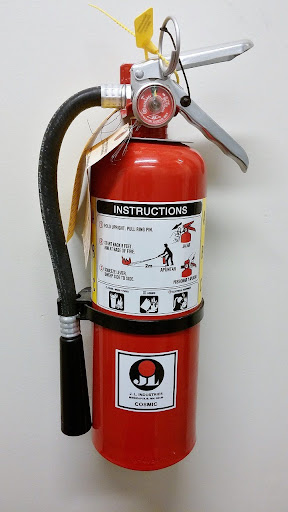
A fire extinguisher serves one fundamental purpose: to control or extinguish small fires before they grow unmanageable. In the confined spaces of Singapore’s HDB estates, where homes are in close proximity, a small fire can spread with alarming speed. The minutes spent waiting for the Singapore Civil Defence Force (SCDF) can feel like an eternity when flames are spreading. Having an accessible extinguisher empowers you to act immediately, protecting lives and minimizing property damage. It is a tangible asset for fire preparedness, providing peace of mind and a critical response capability for common household fire risks originating from kitchens, electrical appliances, or wiring.
Selecting the Right Fire Extinguisher for Your Home
Choosing an appropriate extinguisher is the first decisive step. Not all fires are the same, and using the wrong type of extinguisher can be ineffective or even dangerous. For most Singaporean households, a multi-purpose dry powder extinguisher (ABE class) is the recommended choice. This type is effective against wood, paper, flammable liquids, and electrical fires, covering the most common domestic scenarios. The size, typically ranging from 1kg to 9kg, should be chosen based on the area it needs to protect; a 2kg unit is often sufficient for a typical HDB kitchen or living area.
Always ensure the extinguisher carries the SCDF approval label, guaranteeing it meets national safety standards. For more on the necessary SCDF approval label on portable fire extinguishers, check the the Permits and Certifications page of the SCDF website as it has the full details.
Strategic Positioning: Where To Place Your Fire Extinguisher
The location of your extinguisher is a strategic decision that affects utility in an emergency. The goal is to place it where a fire is most likely to start yet away from the immediate hazard point. Kitchens are a prime location, but the extinguisher should be mounted away from the stove and cooking appliances to remain accessible if a cooking oil fire occurs. Escape routes, such as hallways near apartment exits, are also excellent positions, ensuring a clear path to the device and a safe retreat. It must be highly visible and never obstructed by furniture or storage items. The mounting height should allow most adult family members to easily lift it off the bracket, typically with the handle approximately 1 to 1.2 meters from the floor.
Summary of Key Considerations
| Aspect | Key Consideration |
|---|---|
| Purpose | To provide immediate response capability to control small fires before they spread, protecting lives and property. |
| Selection | Choose an SCDF-approved multi-purpose dry powder (ABE class) extinguisher, with a 2kg size being suitable for most homes. Ensure it has a valid certification label and pressure gauge. |
| Use Cases | Ideal for kitchens (positioned away from the stove), hallways near exits, and areas with high fire risk like utility rooms or near electrical panels. |
| Positioning | Mount in a highly visible and unobstructed location, with the handle 1–1.2m from the floor, near an escape route. Avoid placing behind doors or in cabinets. |
| Mounting | Must be secured into a wall stud or with heavy-duty anchors compliant with the wall type (e.g., sleeve anchors for concrete). Adherence to HDB drilling guidelines is mandatory. Use a hammer drill and masonry bit for concrete walls. |
Navigating HDB Drilling and Renovation Guidelines
As a homeowner in Singapore, you must adhere to the strict guidelines set forth by the Housing & Development Board (HDB) for any drilling or mounting work on your walls. These rules are designed to preserve the structural integrity of the building and the safety of all residents. The guidelines prohibit drilling into structural beams, columns, and certain walls, especially those that are thin or might conceal essential electrical and plumbing services. Before any installation, it is imperative to consult the official HDB renovation guidelines. A professional handyman service, well-versed in these regulations, can expertly identify safe mounting locations, preventing potential damage to hidden utilities and ensuring your installation is fully compliant.
A Step-by-Step Guide to Secure Installation
Proper installation anchors your safety investment. A poorly mounted extinguisher can fall and become damaged or inaccessible. Follow this methodical process for a secure setup.
| Step | Details |
|---|---|
| Step 1: Identify the Perfect Location | Choose a wall location that is easily accessible, near an escape route, and away from direct fire hazards like stoves or heaters. Use a stud finder to locate a solid wall stud. Mounting directly into a stud provides the strongest hold. If a stud is not available in the ideal spot, you must use appropriate heavy-duty wall anchors designed for the wall type (e.g., concrete, brick, drywall) and the weight of the extinguisher. Always refer to the HDB renovation guidelines before drilling. |
| Step 2: Mark and Pre-Drill Holes | Hold the fire extinguisher wall mount bracket firmly against the wall at your chosen height (handle 1–1.2m from the floor). Use a spirit level to ensure it is perfectly horizontal. Mark the drilling points through the holes in the bracket. Select a masonry drill bit that matches the size of your wall plugs or anchors. For concrete HDB walls, use a hammer drill to pre-drill the holes to the required depth. |
| Step 3: Secure the Bracket | Insert wall plugs or anchors into the pre-drilled holes. Align the bracket with the holes and use a screwdriver or drill (on a low torque setting) to drive the screws firmly through the bracket and into the wall anchors. Tighten until the bracket is snug and immovable against the wall. Avoid over-tightening, which can strip the anchor or crack the wall. |
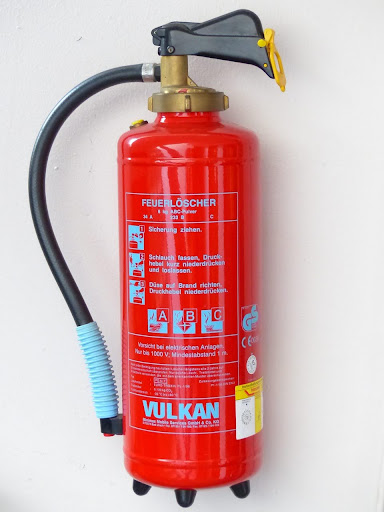
| Step 4: Install the Extinguisher and Final Checks | Place the fire extinguisher into the secured fire extinguisher wall mounted bracket. Ensure the release mechanism or strap holds the unit firmly in place. Tug on it gently to confirm it is secure. Verify that the pressure gauge is in the “green” zone and that the safety pin is intact. Finally, inform all household members of the extinguisher’s location and provide basic instructions on its operation. |
Need a secure, HDB-compliant fire extinguisher installation? FixFirst’s certified handymen use professional tools and safe mounting practices to ensure your extinguisher is accessible and rock-solid
Why Choose a FixFirst Handyman To Install Your Fire Extinguisher Wall Mount Bracket
While a DIY approach might seem tempting, entrusting this critical safety installation to a FixFirst professional ensures reliability, compliance, and peace of mind.
✔️Expertise in HDB Compliance: Our technicians possess in-depth knowledge of HDB drilling regulations. We identify structurally sound and regulation-compliant mounting points, avoiding prohibited areas and hidden utilities.
✔️Right Tools for the Job: We arrive equipped with industrial-grade stud finders, powerful drills, masonry bits, and a full array of heavy-duty anchors suitable for any wall type in your home, ensuring a mount that stays secure.
✔️Precision and Cleanliness: We guarantee a level, perfectly aligned installation. Our process includes vacuuming dust during drilling and leaving your space clean and tidy.
✔️Time and Hassle Savings: Avoid the frustration of multiple trips to the hardware store for the correct anchors or the worry of an improperly installed safety device. We handle the entire project efficiently and correctly the first time.
✔️Verified Security: We test the installation to ensure the bracket can firmly support the weight of the extinguisher, even in the event of an emergency where it might be grabbed hastily.

Frequently Asked Questions (FAQs) about Wall Mounted Fire Extinguisher Singapore Installation
While the SCDF strongly recommends that households have a fire extinguisher and fire blanket, it is not currently a legal requirement for individual HDB flats. However, it is a critical component of home safety.
A multi-purpose dry powder (ABE) extinguisher is suitable for most kitchen fires, including those involving cooking oil (Class F, which is covered under Class B in ABE ratings). A fire blanket is also highly recommended for smothering pan fires.
You should visually inspect your extinguisher monthly, checking the pressure gauge and for any signs of physical damage. For professional servicing, it is generally recommended to have it checked every 5-6 years, but always follow the manufacturer’s specific instructions.
Yes, but it is absolutely essential to use specialized heavy-duty drywall anchors that are rated for the weight of the extinguisher. Mounting directly into a wall stud within the drywall is the strongest method.
The handle of the extinguisher should be positioned approximately 1 to 1.2 meters from the floor, making it easily accessible for most adults without being too low to become an obstruction.
The worst places are inside a cramped cupboard, behind a door, directly over a stove, or in a hidden corner. It should always be in a visible and immediately accessible location.
A bracket is a metal holder that cradles the extinguisher, leaving it exposed. A cabinet is a metal box with a door that encloses the extinguisher, protecting it from dust, tampering, and damage, and can offer a more streamlined look.
You can install it yourself if you have the right tools, hardware, and confidence to mount it securely into a stud or with appropriate anchors. However, for a guaranteed secure and compliant installation, especially concerning HDB rules, hiring a professional handyman is highly advisable.
Yes, it is best practice to have at least one extinguisher on each floor, positioned near escape routes like the stairwell or main hallway.
Even if the fire is out, you should still call the SCDF (995) to have them confirm the fire is completely extinguished. The used extinguisher must be professionally recharged or replaced immediately.
A wall-mounted fire extinguisher is more than a metal canister on a bracket; it is a guardian of your home. Its value is fully realized only when it is the right type, placed in the right spot, and installed with unwavering reliability. Navigating HDB rules, selecting the correct hardware, and executing a flawless installation require a blend of knowledge and skill. Don’t leave this critical element of your family’s safety to chance. Contact FixFirst today to schedule your professional fire extinguisher installation. Our expert handymen will ensure your device is mounted securely, compliantly, and ready to perform when you need it most.