Plug sockets are an essential part of every home and workplace in Singapore, providing the electricity needed to power our devices. However, like any electrical component, they can pose a fire hazard if not properly maintained or used incorrectly. While modern power outlets are designed with safety features, certain conditions can still lead to overheating, sparks, or even fires. Understanding these risks is crucial for preventing electrical fires in Singaporean households.
Common Causes of Plug Socket Fires
Can a plug socket catch fire? Under the right conditions, absolutely yes! One of the leading causes of socket fires is overloading. Plugging too many high-wattage appliances into a single socket or extension cord can cause excessive heat buildup, damaging the socket and potentially igniting nearby materials. In Singapore, where space constraints often lead to the use of multi-plug adapters, this risk is particularly relevant. Another frequent issue is poor-quality or damaged sockets. Cheap, uncertified sockets may lack proper insulation or internal components that meet Singapore’s stringent safety standards, increasing the likelihood of short circuits.
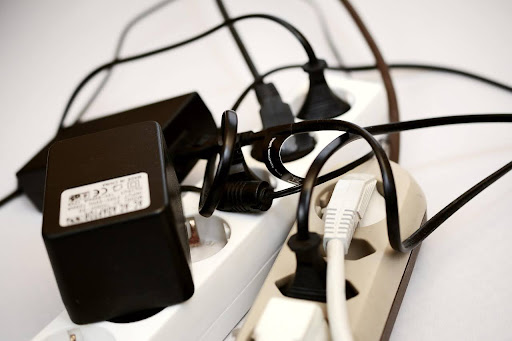
Faulty wiring is another significant hazard. Over time, internal connections within the socket can loosen, leading to arcing—a phenomenon where electricity jumps between gaps, generating intense heat. Kinked and bent cords are also incredibly dangerous because the kinks, for one, unnecessarily stress the insulation layer, weakening it over time. Similarly, water exposure or accumulated dust inside sockets can create conductive paths for electricity, raising the risk of short circuits. Additionally, plugging in damaged cords or using incompatible plugs can cause poor contact, leading to overheating.

Signs of a Dangerous Socket
Recognizing early warning signs can prevent a potential fire. Discoloration or scorch marks around the socket indicate overheating, while a burning smell suggests internal damage. Frequent tripping of circuit breakers or flickering lights when an appliance is plugged in may signal an overloaded or faulty socket. Loose plugs that fall out easily or emit sparks when inserted should also be addressed immediately.
How To Prevent Socket Fires in Singapore
Prevention starts with proper usage. Avoid overloading sockets by distributing high-power appliances across different circuits. Use only certified plugs and extension cords bearing the SAFETY Mark, which ensures compliance with Singapore’s safety regulations. Regular inspections by a Licensed Electrical Worker (LEW) can identify hidden issues like deteriorating wiring or loose connections. For older homes, upgrading to modern sockets with built-in surge protection and child safety shutters adds an extra layer of security.
If a socket shows signs of damage, it should be replaced promptly by a qualified electrician. Never attempt DIY repairs, as improper handling can worsen the problem. Additionally, keeping sockets clean and dry, especially in humid Singaporean conditions, helps maintain their integrity.
What To Do If a Socket Catches Fire
In the event of a socket fire, immediately turn off the main power supply if it is safe to do so. Use a Class C fire extinguisher (designed for electrical fires) or smother the flames with baking soda. Never use water, as it conducts electricity. Evacuate the area and call the Singapore Civil Defence Force (SCDF) at 995 for assistance.
Conclusion
While plug sockets in Singapore are generally safe when used correctly, negligence or wear and tear can lead to dangerous situations. By understanding the risks, recognizing warning signs, and adopting preventive measures, homeowners can significantly reduce the chances of an electrical fire. For professional inspections and electrical repairs, trusted services like FixFirst ensure that your electrical systems remain in optimal condition, safeguarding your property and loved ones.