Some home repair works and installation projects involve drilling. And drilling a hole in a wall may seem like a simple task, but it requires careful planning and the right tools, especially when dealing with different types of walls. Whether you’re mounting a shelf, hanging a picture, or installing a TV, understanding the type of wall you’re working with is important. This guide will walk you through the process of drilling into various wall types, including concrete load-bearing walls, partition dry walls, and brick walls, with a special focus on HDB flats.
Understanding Your Wall Type
Before you start drilling, it’s essential to identify the type of wall you’re dealing with. Walls can be made of concrete, drywall, or brick, and each requires a different approach and tools. In HDB flats, the most common wall types are the following:
- Concrete load-bearing walls. These are thick, sturdy walls that support the structure of the building. They are often marked as thick black blocks on your floor plan.
- Partition dry walls. These are non-load-bearing walls and are typically made of lightweight materials like gypsum or plasterboard.
- Brick walls. Found in older HDB units, these walls are made of bricks and mortar and require specific tools for drilling.
Tools You’ll Need for Drilling Holes in Your Wall
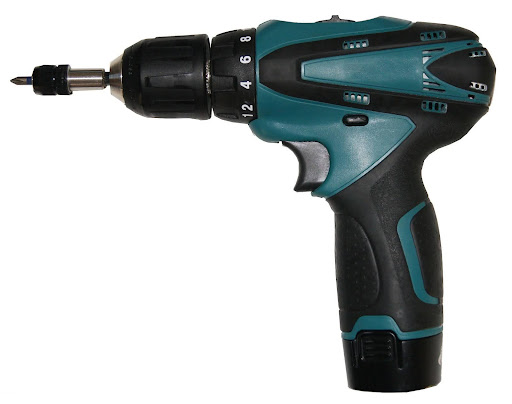
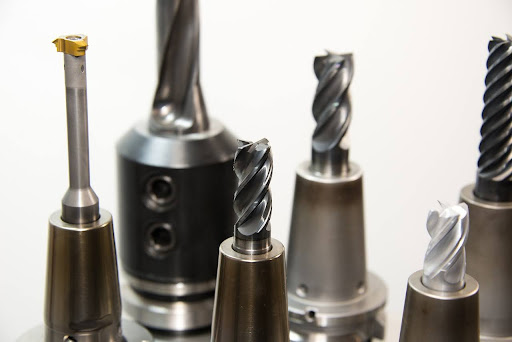
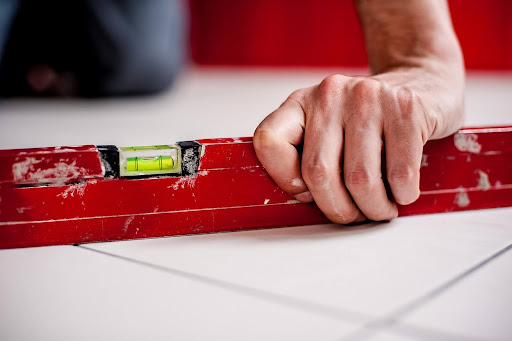
Regardless of the wall type, you’ll need the following tools:
☑️ Power Drill: A corded or cordless drill with adjustable speed settings.
☑️ Drill Bits: Choose the right type based on the wall material (more on this below).
☑️ Wall Plugs: Also known as anchors, these are essential for securing screws in drywall or hollow walls.
☑️ Hammer: For gently tapping wall plugs into place.
☑️ Measuring Tape and Pencil: For marking the drilling spot accurately.
☑️ Safety Gear: Safety goggles and a dust mask to protect yourself from debris.
Drilling into Concrete Load-Bearing Walls (HDB Walls)
Identifying Concrete Walls
In HDB flats, concrete walls are used for load-bearing purposes. These walls are thick and sturdy, and you can recognize them on your floor plan as thick black blocks. While you can drill into these walls, they are much harder to penetrate compared to other wall types.
Steps for Drilling into Concrete Walls
- Choose the right drill bit. Use a carbide-tipped masonry drill bit designed for concrete. These bits are strong enough to handle the hardness of concrete.
- Mark the spot. Use a pencil to mark the exact spot where you want to drill. Double-check the measurements to ensure accuracy.
- Start drilling. Set your drill to the hammer function (if available) and start drilling at a slow speed. Apply steady pressure but avoid forcing the drill, as this can overheat the bit.
- Clear the dust. Periodically pull the drill out to clear dust from the hole. This will prevent the bit from getting stuck.
- Insert wall plugs. Once the hole is drilled, insert a wall plug (also called a rawl plug) that matches the size of your screw. Tap it gently with a hammer until it’s flush with the wall.
Encountering resistance is normal. Concrete walls are tough, so expect resistance. If your drill struggles, consider upgrading to a more powerful model. And do not hack the wall. Concrete load-bearing walls are structural elements. Never attempt to hack or remove them, as this can compromise the building’s integrity.
Drilling into Brick Walls (Older HDB Units)
Identifying Brick Walls
Older HDB units may have brick walls, which are made of bricks held together by mortar. These walls are harder than drywall but softer than concrete.
Steps for Drilling into Brick Walls
- Choose the right drill bit. Use a masonry drill bit designed for brick and mortar.
- Mark the spot. Measure and mark the drilling spot accurately.
- Start drilling. Set your drill to the hammer function and drill at a slow speed. Brick can crumble if you drill too aggressively, so proceed with care.
- Clear the dust. Pull the drill out occasionally to remove dust from the hole.
- Insert wall plugs. Use wall plugs that match the size of your screw and tap them gently into place.
Avoid drilling into mortar lines. If possible, drill into the brick rather than the mortar, as the mortar is softer and less secure. Use a steady hand, as well. Brick walls can be uneven, so maintain a steady hand to avoid cracking the brick.
Safety Tips When Drilling
☑️ Wear safety gear. Always wear safety goggles and a dust mask to protect yourself from debris.
☑️ Check for wires and pipes. Before drilling, use a stud finder or wire detector to ensure you’re not drilling into electrical wires or plumbing.
☑️ Start small. If you’re unsure about the wall type, start with a small pilot hole to test the material.
All in all, drilling a hole in a wall is a straightforward task if you have the right tools and knowledge. Whether you’re dealing with concrete load-bearing walls in HDB flats, partition dry walls, or brick walls, understanding the material and using the appropriate drill bit and technique is key. Always prioritize safety and double-check your measurements to ensure a clean and secure installation. With this guide, you’re now equipped to tackle any wall-drilling project with confidence!
Drill your wall like a professional handyman. Drill safely and properly, without damaging your property. Refer to our other handy guides and unique drilling tips for HDB units:
🔩Best Drill Bit for Concrete Walls in BTO HDB Units
🔩How To Choose the Right Drill for Your HDB Wall: A Complete Guide
🔩Why Can’t You Drill Into Your Wall: Understanding HDB Regulations and Wall Types in Singapore
🔩Covering Up Holes in the Wall of Your HDB Flat? Here Are Some Easy Tips
🔩Things to Prepare Before Drilling Into Your Wall: A Guide for HDB Flats in Singapore