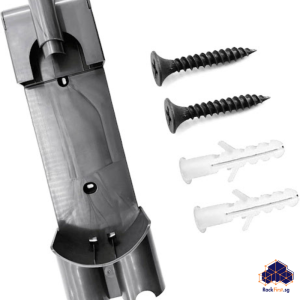
The modern Singaporean home, particularly in HDB flats, demands smart solutions for space and cleanliness. A wall-mounted vacuum cleaner system answers this call perfectly, freeing up precious floor space while ensuring your cleaning tool is always charged and ready for action. This comprehensive guide delves into every facet of selecting, buying, and installing a wall mount vacuum system, tailored specifically for the unique context of Singapore residences.

The Purpose and Advantages of a Wall-Mounted Vacuum System
Installing a wall mount vacuum system transcends mere convenience; it represents a strategic approach to home organization and maintenance. For families living in compact HDB apartments, floor space is a premium commodity. By moving the vacuum cleaner and its charger off the floor and onto the wall, you reclaim an area that might otherwise be cluttered. This vertical storage solution also protects your device from potential damage, keeps it out of the reach of young children and pets, and, most importantly, guarantees the unit is always fully charged. You will never again face the frustration of reaching for a handheld vacuum only to find its battery drained. The constant connection to its wall mount vacuum charger ensures peak performance is just an arm’s reach away, making quick clean-ups of spills, crumbs, or pet hair a truly effortless task.
Navigating the Selection: Types of Wall-Mounted Vacuums
The market offers a variety of systems, each with distinct features catering to different needs. Understanding these differences is key to making an informed purchase that aligns with your lifestyle and home layout.
One popular category is the handheld vacuum with wall mount charger. These are typically compact, lightweight units designed for spot cleaning, car interiors, and quick above-floor tasks. Their mounts are often simple docking stations that hold the vacuum and complete the charging circuit. A classic example of a dedicated storage solution for such models is the Dustbuster wall mount, a term that has become almost generic for this style of holder.
For a more comprehensive cleaning solution, cordless stick vacuums with wall-mounted storage cradles are immensely popular. These systems often include a mount that holds the main body of the vacuum and its various attachments, like crevice tools and brushes. The mount serves a dual purpose: it organizes all components neatly on the wall and charges the vacuum’s battery. Brands like Dyson, Xiaomi, and others offer proprietary mounts designed specifically for their models.
Furthermore, certain third-party or universal mounts provide flexibility. For instance, a Roidmi vacuum wall mount might be sought by owners of that brand to create a customized storage solution that perhaps wasn’t included in the original packaging. These mounts must be compatible with the vacuum’s physical shape and its charging port placement to function correctly.
Summary of Wall-Mounted Vacuum Types and Uses
| Type of System | Primary Use Case | Ideal For |
|---|---|---|
| Handheld with Dock (e.g., Dustbuster wall mount) | Quick spot cleaning, small spills, car interiors, above-floor surfaces. | Small apartments, single occupants, quick clean-up jobs. |
| Cordless Stick Vacuum with Mount | Whole-home cleaning, carpets and hard floors, larger debris. | Families, pet owners, larger HDB flats, primary cleaning tool. |
| Third-Party/Proprietary Mount (e.g., Roidmi vacuum wall mount) | Replacing a lost mount or adding storage to a model that didn’t include one. | Owners of specific brands looking for an official or compatible accessory. |
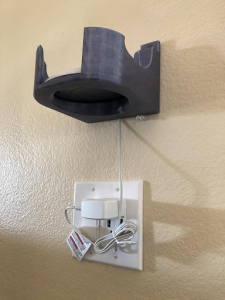
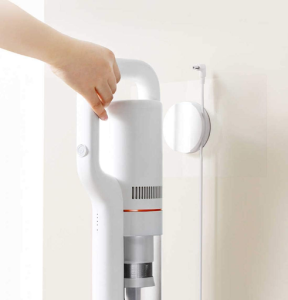
Strategic Positioning and Mounting Considerations for HDBs
Choosing the optimal location for your wall mount vacuum is a critical decision that impacts daily usability and safety. The ideal spot is usually in a utility cabinet, storeroom, or an inconspicuous yet accessible area like a hallway corner. It should be near a power outlet to avoid unsightly and hazardous extension cords snaking across the floor. The height of the mount requires careful thought; it must be low enough to allow for easy docking and undocking of the vacuum but high enough to keep the unit secure and out of the way of foot traffic.
In Singapore HDB flats, drilling into walls is not a task to be taken lightly. The Housing & Development Board provides specific guidelines to ensure the structural integrity of the building and the safety of all residents is not compromised. Drilling into structural beams or columns is strictly prohibited, as is damaging reinforced concrete. Furthermore, one must be acutely aware of what lies behind the wall surface. HDB walls can conceal essential electrical wiring, water pipes, and data cables. Hitting any of these during installation could lead to costly repairs, significant inconvenience, or even personal injury.
A Step-by-Step Guide to Secure Wall Mount Installation
For those confident in their DIY skills, installing a wall mount vacuum bracket can be a straightforward project, provided you proceed with caution and the right tools.
| Step | Details |
|---|---|
| Step 1: Select and Mark the Precise Location | Hold the mounting bracket against the wall at your chosen height. Use a pencil to mark the drilling points through the holes in the bracket. |
| Step 2: Check for Hidden Obstructions | This is the most crucial safety step. Use a high-quality stud finder or a multi-scanner detector to meticulously sweep the marked area and its immediate surroundings. Check for live electrical wires, metal pipes, and wooden studs. |
| Step 3: Drill the Pilot Holes | Select a drill bit appropriate for your wall type (a masonry bit for concrete HDB walls) and slightly smaller than the screws you will use. Carefully drill at the marked points to the required depth. |
| Step 4: Insert Wall Plugs | Tap plastic wall plugs (anchors) into the drilled holes until they are flush with the wall surface. These provide the grip for the screws in the masonry. |
| Step 5: Secure the Bracket | Align the bracket with the holes and drive the provided screws through the bracket and into the wall plugs using a screwdriver or drill driver. Ensure the bracket is firmly attached and does not wobble. |
| Step 6: Connect and Organize | Place the vacuum cleaner and its attachments onto the mounted bracket. Plug the charger into a nearby power outlet, and then connect it to the vacuum or the dock. |
Need a secure, damage-free cordless vacuum installation in your HDB flat? FixFirst’s certified handymen use professional tools and HDB-compliant techniques to ensure your unit is charged, stable, and neatly stored
Why Choose a FixFirst Handyman To Install Your Wall-Mounted Vacuum Cleaner
While a DIY approach is possible, entrusting the installation to a FixFirst professional eliminates risk and guarantees a perfect, secure result.
✔️Expertise in HDB Guidelines: Our technicians possess an in-depth understanding of HDB renovation rules and drilling restrictions. We ensure your installation is fully compliant, avoiding any potential issues with building management.
✔️Detection Technology: We use professional-grade detection equipment to map out exactly what is inside your walls, safeguarding against the dangerous and expensive consequences of hitting pipes or wires.
✔️Right Tools for the Job: HDB walls are tough. We have the powerful drills and specific masonry bits needed to create clean, precise holes without causing unnecessary damage to your wall finish.
✔️Perfect and Secure Mounting: Our experience ensures your wall mount vacuum bracket is level, firmly fixed, and positioned for maximum convenience and safety. We handle the entire process quickly and cleanly.
✔️Time and Hassle Savings: Avoid the stress of a complex DIY project, a trip to the hardware store, and the cleanup afterward. We handle everything from start to finish.

Frequently Asked Questions (FAQs) about Vacuum Wall Mounts in Singapore Homes
The vast majority are designed for cordless stick or handheld models, as the primary function of the mount is to store and charge the unit. There is no practical reason to wall-mount a corded vacuum.
Yes, if you are experienced with drilling into masonry walls, own a stud finder, and understand HDB guidelines. For most people, hiring a professional handyman service like FixFirst is the safer, easier option.
First, identify a sturdy wall location near a power outlet, ensuring the area is clear of obstructions and that you can drill into a wooden stud for maximum support. Hold the dock against the wall, use a level to ensure it is straight, and then mark the positions of the two screw holes. If you cannot hit a stud, you must use heavy-duty drywall anchors suitable for the weight. Drill pilot holes at the marks, secure the dock to the wall using the provided screws (and anchors if needed), and ensure it is firmly attached without any wobble. Finally, plug the power adapter into the outlet, route the cable through the channel on the dock’s side, and click the vacuum onto the mount to charge.
The cost can vary but is generally affordable, especially when considering the value of your time and the risk of making a mistake. Contact FixFirst for a transparent and competitive quote. We have the cheapest service rates in Singapore. Just Whatsapp us for a quote.
Often, yes. Many major brands sell the mounting bracket as an accessory. You can also find universal or third-party mounts online, but you must ensure compatibility with your specific vacuum model, especially for charging.
It shouldn’t if installed correctly. Using a specialist diamond-tip drill bit, drilling at a slow speed without excessive pressure, and avoiding areas with existing cracks or weaknesses will prevent tile damage. This is a reason many homeowners prefer professional installation.
This depends on the mount’s design and the quality of the installation. Most are designed to hold the significant weight of a modern cordless vacuum and its attachments. Proper installation with correct wall plugs is key to supporting this weight.
No. You must never drill into structural beams or columns. You must also avoid areas where wiring or pipes are likely to be, such as near light switches, power outlets, or water sources. When in doubt, consult a professional.
Yes, but it will leave behind screw holes in the original location that will need to be patched and touched up with paint. A new set of holes will need to be drilled in the new location.
Dustbuster is a brand name from Black+Decker that has become a common term for small handheld vacuums. A Dustbuster wall mount is typically a simpler dock designed for these lighter, compact models.
Integrating a wall mount vacuum system into your Singapore home is a brilliant strategy for enhancing convenience and maintaining a clutter-free living environment. It transforms an essential tool from a storage burden into an always-ready cleaning ally. However, the crucial step of installation demands respect for your HDB’s structure and a cautious approach to hidden utilities. While a DIY project is an option, the peace of mind that comes with professional installation is invaluable. Contact FixFirst today for an expert, compliant, and hassle-free wall mount installation service.