In the compact living spaces of Singapore’s HDB flats and condominiums, managing the tangle of wires from our myriad of electronic devices is a common challenge. Floor-based power strips not only create tripping hazards but also contribute to a cluttered and untidy appearance. A superior and safer approach to organizing your home’s electrical needs involves wall mount power strip solutions. This definitive guide explores the safe installation, correct application, and best practices for using wall-mounted power strips and extension cords, specifically within the context of Singaporean homes.
Understanding the Difference: Power Strips vs. Extension Cords
Before going into mounting solutions, it is critical to distinguish between these two common devices. An extension cord is essentially a length of flexible electrical cable with a plug on one end and one or more sockets on the other. Its primary purpose is to temporarily extend the reach of a power source to a single device or appliance.
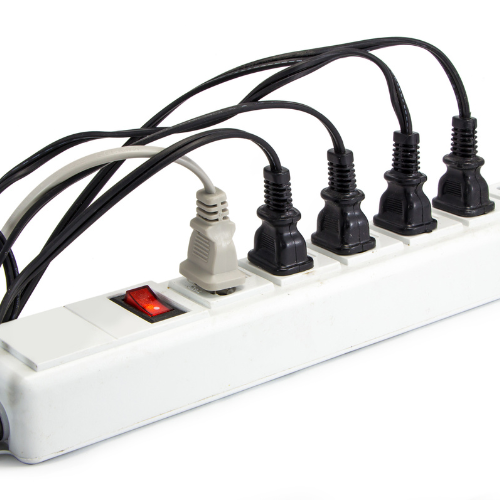
A power strip, often called a multi-socket extension cord, is a block of electrical sockets that attaches to the end of a flexible cable and incorporates a central on/off switch, and frequently, a surge protection mechanism. Power strips are designed to power multiple low-power-consumption devices simultaneously, such as computers, chargers, and lamps. Understanding this distinction is the first step toward safe application.

Types of Wall-Mounted Power Strips and Extension Cords in Singapore
The Singaporean market offers several types of solutions for those looking to organize their power access points on the wall.
🔌 Fixed Socket Extension Boards: These are rigid units designed to be permanently fixed to a wall. They often feature three to six outlets and may include USB charging ports. They are typically made of fire-retardant materials (like PC/ABS blends) and are a clean, built-in looking solution.
🔌 Surge-Protected Power Strips with Mounting Options: Many modern power strips come with keyhole slots or dedicated mounting brackets on their backside. These are not permanent fixtures but are designed for secure wall placement. Their key advantage is built-in surge protection, which is vital for safeguarding sensitive electronics like TVs and computers from voltage spikes common in Singapore’s electrical grid.
🔌 Cable Reels with Wall Mounts: These extension cords are wound on a reel that can be mounted to a wall, often in a garage, utility room, or balcony. They provide flexible, temporary power for tasks like vacuuming a car or using power tools, and then the cord can be wound back for neat storage.
🔌 Retractable Power Sockets: A more modern and sleek option, these units are recessed or surface-mounted and allow the sockets to be pulled out when needed and retracted back into the casing when not in use. This is an excellent space-saving solution for kitchen islands or countertops.
Correct Use Cases, Limitations, and Safety Imperatives
A wall mounted extension cable or power strip can never be a substitute for permanent wiring. Understanding their limitations is paramount to preventing electrical fires.
🔖 When To Use a Power Strip: Power strips are intended for low-power-demand devices. These include entertainment systems (TV, gaming console, soundbar), office equipment (computer, printer, lamp), and personal electronics (phone chargers, tablets). Always check the strip’s maximum amperage rating (typically 10A or 13A in Singapore) and ensure the combined load of all plugged-in devices does not exceed this limit.
🔖 When To Use an Extension Cord: Extension cords are for temporary use only. They are suitable for powering a single appliance for a short duration, such as using a vacuum cleaner, a fan for an afternoon, or festive decorations during the holidays. They should be fully unwound during use to prevent overheating.
🔖 When To Plug Directly into a Wall Outlet: High-wattage appliances must always be plugged directly into a dedicated wall outlet. Never use extension cords or power strips for air conditioners, refrigerators, washing machines, dryers, electric kettles, irons, space heaters, or instant water heaters. These appliances draw a large amount of current and can easily overload a power strip’s wiring, leading to melting, sparking, and fire.
A Buyer’s Guide: Choosing the Right Solution for Your HDB
When shopping for a wall-mounted solution in Singapore, prioritize safety certifications and features that match your needs.
✔️ Safety Certification: Look for the SAFETY Mark, issued by the Enterprise Singapore (EnterpriseSG). This ensures the product meets stringent Singaporean safety standards. Avoid uncertified, cheap imports from unknown brands.
✔️ Surge Protection: For any electronics, choose a power strip with surge protection. This is your first line of defense against voltage spikes that can destroy expensive equipment.
✔️ Number and Type of Outlets: Consider how many devices you need to power and whether any require USB-A or USB-C ports. This reduces the need for additional plug adapters.
✔️ Cable Length: Ensure the cable from the unit to the wall outlet is long enough to reach without being stretched taut.
✔️ Build Quality: Choose a unit made from high-quality, fire-resistant materials. Feel its weight; a heavier unit often indicates better internal components and construction.
A Step-by-Step Guide on How To Wall Mount Power Strip Securely
Attempting a mounting power strip to wall superglue or double-sided tape is a significant fire hazard and absolutely prohibited. Adhesives can fail under the weight and heat of the unit, causing it to fall and potentially damage the plug or cord. The only safe and reliable method involves mechanical fasteners. Here is the correct procedure for how to mount a power strip to a wall.
| Step | Details |
|---|---|
| Step 1: Select the Optimal Location | Choose a location that is easily accessible, away from water sources (sinks, showers), and where furniture will not obstruct it or trap heat. Ensure there is a nearby wall outlet to plug the unit into. Consider the cable length of the power strip itself to avoid strain. |
| Step 2: Check for Hidden Utilities | This is a non-negotiable safety step, especially in HDBs. Use a professional-grade stud and wire detector to scan the intended mounting area for electrical wires, water pipes, or rebar within the wall. The HDB renovation guidelines strictly prohibit drilling into structural beams and certain walls without permission. |
| Step 3: Mark and Pre-Drill Holes | Hold the power strip level against the wall in the desired position. Mark the mounting hole locations on the wall with a pencil. If mounting into drywall or plaster without a stud, you will need appropriate wall anchors. Select a drill bit slightly smaller than the anchor’s size. Pre-drill the holes at the marked points to the required depth. |
| Step 4: Secure the Mounting Base or Unit | If your model uses a separate bracket, attach it to the wall using screws driven into the pre-drilled holes (with anchors if needed). Ensure it is firmly fixed and does not wiggle. If the power strip has integrated keyhole slots, you can now hang it directly onto the screws you’ve driven into the wall. |
| Step 5: Final Connection and Cable Management | Plug the power strip into the wall outlet. Use adhesive-backed cable clips or a raceway to neatly run the cord along the wall down to the outlet. This prevents dangling wires and maintains a clean, safe installation. The same meticulous process applies if you need to mount extension cord to wall for a permanent or semi-permanent solution. |
Need a safe, damage-free power strip or extension cord wall mounting in your HDB flat? FixFirst’s certified handymen ensure HDB-compliant drilling, secure installation, and neat cable routing.
Why Choose a FixFirst Handyman To Install Your Wall-Mounted Power Strip and Extension Cable
While a competent DIYer can follow the steps for how to wall mount power strip, there are compelling reasons to entrust this task to a FixFirst professional. Our certified handymen bring a depth of expertise that goes beyond simple drilling. We possess the professional tools, like advanced cable and stud detectors, to map your walls with absolute certainty, eliminating the terrifying risk of drilling into a live electrical wire or a water pipe: a mistake that can have catastrophic and expensive consequences.
Furthermore, we are intimately familiar with HDB’s specific renovation guidelines and restrictions. We know where it is safe to drill and which walls are off-limits, ensuring your installation is not only safe but also fully compliant with housing regulations. Our service includes expert cable management, securing every wire neatly along your wall or skirting board for a flawless, professional finish that enhances your home’s aesthetics and safety. We guarantee a secure, reliable, and code-compliant installation, giving you complete peace of mind.

Frequently Asked Questions (FAQs) about Wall Mounting Power Strips and Extension Cords in Singapore Homes
No, never run any extension cord or power strip cable inside a wall, under a carpet, or through a doorway. This can cause the cord to overheat by trapping warmth and is a severe fire hazard. Cords must always be visible and accessible for air circulation.
Absolutely not. Daisy-chaining power strips is extremely dangerous and a common cause of electrical fires. It easily overloads the first power strip in the chain, exceeding its amperage rating and causing it to overheat.
No. A warm or hot power strip is a clear warning sign of overload or a failing unit. Unplug it immediately and redistribute the plugged-in devices to different wall outlets. Replace the power strip.
There is no set timeframe, but you should replace it if it shows any signs of physical damage (cracks, frayed wires), if the on/off switch or sockets feel loose, or if it has endured a large power surge (even if it seems to work). Surge protectors have a limited lifespan.
It is highly discouraged due to the moisture present. If you must have one, it should be specifically designed for wet environments (with a cover) and installed at a safe distance from the shower and sink, and connected to a Ground Fault Circuit Interrupter (GFCI) outlet.
A surge protector guards against sudden, brief spikes in voltage (like from a lightning strike). A voltage regulator maintains a consistent voltage level to your devices, protecting against chronic under-voltage or over-voltage. For most home electronics in Singapore, a good surge protector is sufficient.
Yes, this is a very common and excellent use case. It helps to conceal wires and power all your entertainment devices from a single, surge-protected source. Ensure there is enough space for heat to dissipate and that the TV’s weight is not resting on the strip.
Wall-mounting your power strips and extension cords is more than an organizational upgrade; it is a critical step in enhancing the electrical safety of your Singaporean home. By selecting the right certified products, understanding their strict limitations, and ensuring a secure, professional installation, you can eliminate tripping hazards, reduce clutter, and protect your valuable electronics and property from preventable electrical hazards. While a careful DIY approach is possible, the complexity of HDB walls and the severe risks of error make professional installation the wisest choice.
Ready to transform your space with a safe, clean, and professional electrical solution? Contact FixFirst today to schedule your expert handyman service. Our skilled technicians will handle your wall-mounted power strip installation with precision and care, ensuring complete safety and a perfectly tidy finish for your home.