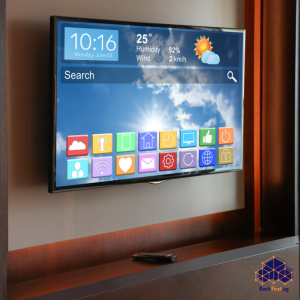
A non invasive wall mount is any hanging system that secures an object to your wall without penetrating the surface. Instead of screws and wall plugs, these systems use high-bond adhesives, clamping force, tension rods, or magnetic attraction. In Singapore, where HDB flats mix solid concrete walls with lightweight partition boards, a non invasive wall mount saves you from seeking renovation permits for structural drilling. It also keeps your walls immaculate, which matters deeply if you rent and expect your full security deposit back.
Many homeowners discover that a non invasive wall mount works perfectly for everyday items like photo frames, clocks, bathroom accessories, and even medium-sized televisions. The key lies in matching the method to your wall material and the weight of the object.

Non Invasive Wall Mount Types That Work in HDB and Condo Units
Adhesive hooks and strips dominate the market because they install in seconds and remove cleanly. Quality brands rate a pair of large strips for up to 7 kg on a smooth, painted surface. You simply clean the area with isopropyl alcohol, press the mount firmly for 30 seconds, and wait an hour before loading. This alone covers most wall art, small floating shelves, and lightweight mirrors.
For heavier duty, adhesive mounting plates with a metal bracket can hold 15 kg to 30 kg. A few television-specific kits rely on a large adhesive panel that bonds to the wall and a bracket that hooks onto it. These demand a perfectly flat, non-porous surface. Tiled kitchen backsplashes and glass partitions welcome these mounts beautifully, but textured or matte emulsion paint drastically reduces holding power.
Tension-based mounts serve a different need. A spring-loaded pole that braces between floor and ceiling, or between two walls, supports a shelf or a row of hooks without touching the wall surface with adhesive. Such solutions fit rental flats where you cannot alter a single square inch of wall. Similarly, clamp-on mounts grip the edge of a desk, cabinet, or room divider and provide a sturdy anchor point for a monitor arm or a small shelf. These ask no permission from the wall at all.
Magnetic mounts and suction cups round out the range. A strong neodymium magnetic strip holds lightweight tools or spice racks on a metal door or a fridge panel. Suction cups secure soap dishes and shower caddies on glazed ceramic tiles, though Singapore’s humidity will gradually weaken the vacuum seal unless you re-press them every few weeks.
Weight Capacity and Surface Preparation for a Secure Hold
Every non invasive wall mount carries a weight rating that assumes ideal conditions. Real-world performance in a humid tropical climate drops if you skip preparation. Wash the wall with a mild degreasing solution, dry it completely, and wipe with a lint-free cloth and rubbing alcohol. Painted HDB walls with a slight orange-peel texture still hold lighter items, but any graininess reduces the adhesive contact area. If your hand glides over the wall and feels bumps, downgrade the expected load by 30 percent.
Temperature also matters. An adhesive bond that holds a 5 kg frame in an air-conditioned room may creep and fail on a sun-baked afternoon wall facing the western sun. If you plan to mount a small television with an adhesive bracket, choose a model rated for at least double the actual TV weight. Apply it on a cool, dry day and leave it undisturbed for a full 24 hours before hanging anything.
Tiles and glass offer the best grip for adhesive mounts, followed by laminate panels. Bare concrete and brick remain unsuitable for any adhesive-only non invasive wall mount. In those cases, a clamp-on mount or a tension rod system becomes the safer path.
When a Non Invasive Wall Mount Reaches Its Limit
Some household items simply need a mechanical anchor. A large frameless mirror, a full-size wall cabinet, or a 65-inch television introduces risks that adhesives and tension rods cannot reliably manage. Even a well-applied adhesive mount can tear the paint film off the wall over time, creating a more expensive repair than a drilled hole.
Check your mounting surface honestly. If the wall is hollow gypsum board without backing plywood, a non invasive wall mount that relies on surface adhesion will still work, but heavy cantilevered loads demand fasteners into a solid stud. Professional handymen in Singapore regularly assess these factors and can often combine a few small wall plugs with adhesive brackets to minimise damage while increasing safety. Knowing when to stop and call a professional protects both your belongings and your family.
Hang With Confidence and Keep Your Walls Spotless
A carefully chosen non invasive wall mount lets you personalise your home without permanent marks. Test the surface, verify the weight rating, and follow the curing time. Once you know your walls, hanging becomes a five-minute job. For trickier setups or items that fall outside safe adhesive limits, get a professional second opinion. At FixFirst, we help Singapore homeowners select and install the right drill-free mounting system for any flat type. Reach out today for a free consultation, and enjoy a home that feels fully yours while staying wholly reversible.