For residents in HDB flats, the desire to personalize and optimize living space often clashes with the strict constraints of renting or the desire to avoid permanent alterations. This has fueled a significant interest in methods for wall mounting without drilling. While these solutions offer a tempting promise of damage-free installation, understanding their capabilities, limitations, and inherent risks is crucial for every homeowner and tenant. This guide provides a thorough examination of the adhesives, brackets, and systems that make up this category, offering a clear-eyed view of what is truly possible and what is best left to professional, drilled installations.

The Science Behind No-Drill Mounting Solutions
No-drill mounts rely primarily on one of two forces: chemical adhesion or mechanical tension. Chemical solutions, like high-strength adhesive tapes, bonding strips, or putties, create a powerful bond between the mount and the wall surface. Their effectiveness depends on the surface energy of both the wall and the object; smooth, non-porous surfaces like glass, tiles, or finished laminate provide the best grip. Mechanical solutions, such as pressure-mounted tension rods or stands that brace between the floor and ceiling, bypass the wall entirely, transferring the load through structural compression. Each method has a definitive threshold, a point where the weight or the torque of the mounted item will overcome the strength of the adhesive or the stability of the mechanical frame.
The Strict Limits of Damage-Free Mounting
The most critical concept to grasp is the strict weight and force limitations of these solutions. Adhesive tapes and hooks have improved dramatically, with some products boasting impressive weight capacities. However, these ratings often represent a best-case scenario—a perfect surface, ideal temperature, and a static, downward force. They do not account for Singapore’s humidity, which can weaken certain adhesives over time, or the dynamic, twisting force exerted on a TV wall mount without drilling when the screen is adjusted. A product rated for 20 kilograms might hold a 20kg static weight, but it will likely fail under the constant, uneven pull of a wall-mounted monitor or the vibration of a fan. The risk is not just the item falling, but the potential for the adhesive to fail suddenly and without warning, as it does not typically provide gradual signs of fatigue.

Common and Safe Use Cases for No-Drill Methods
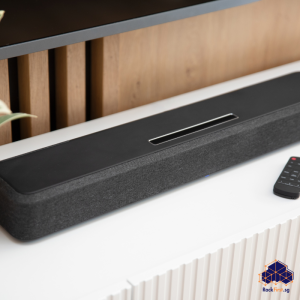
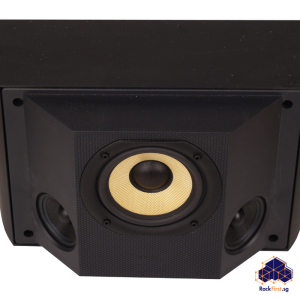
When applied within their narrow window of effectiveness, no-drill methods are incredibly useful. They excel at securing lightweight, flat-backed items to smooth surfaces. Command strips are ideal for securing photo frames, lightweight canvases, or small mirrors. Adhesive hooks can hold keys, small kitchen utensils, or towels. For tech organization, learning how to mount a router to wall without drilling using an adhesive-backed holder is a perfect and safe application, given the device’s minimal weight. Similarly, speaker wall mounts without drilling can work for very small, lightweight Bluetooth speakers, but not for heavier bookshelf speaker models. The guiding principle is that the item’s value and the potential for damage if it falls should be very low.
Navigating the High-Risk Applications
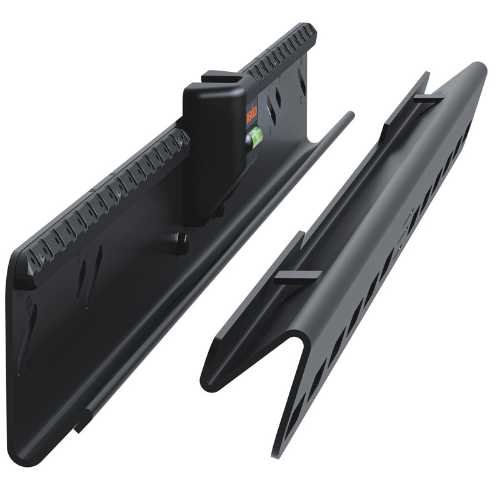
Certain applications sit in a high-risk category and demand extreme caution. The desire for a TV wall mount without drilling is common, but it is perhaps the most dangerous pursuit. The combination of a heavy television, a long lever arm, and the constant potential for lateral force creates a scenario ripe for failure. Similarly, the idea of how to mount wall fan without drilling is fraught with risk. The persistent operational vibration will work to loosen any adhesive or mechanical grip, inevitably leading to a fall. For these items, the safety of people and property must override the desire to avoid drilling. Even for lighter items like a monitor, understanding how to wall mount monitor without drilling requires acknowledging that any adjustment of the screen applies a twisting force that adhesives are not designed to handle.
The Aesthetic and Practical Compromises
Beyond safety, no-drill solutions often involve aesthetic or practical trade-offs. A TV mounted with a large adhesive bracket may not sit flush against the wall, creating an unfinished look. Furthermore, one of the biggest challenges becomes cable management. Figuring out how to hide cords on wall mounted TV without drilling often involves adhesive-backed cable channels that, while effective, add another element to the wall and can struggle to contain thick power bricks and multiple cables neatly. This can result in a solution that looks temporary and cluttered, defeating the purpose of mounting in the first place.
Surface Compatibility: The Hidden Challenge
The success of any adhesive method is wholly dependent on your wall type. A common question is how to mount on wall without drilling on textured surfaces, and the answer is that performance is greatly diminished. HDB walls often feature textured paint, porous plaster, or uneven finishes that prevent the adhesive from achieving full surface contact. Similarly, the concept of how to mount TV on concrete wall without drilling is just not possible, let alone misleading. While concrete is smooth, its rough porosity makes it a poor candidate for most adhesives designed for glass or tiles. Always testing an adhesive on a small, hidden patch of your wall is an essential first step that many overlook, leading to failed installations and damaged paint.
The Verdict on Truly Damage-Free Installation
It is possible to achieve a successful installation if you strictly follow all manufacturer instructions: cleaning the wall with isopropyl alcohol, applying pressure for the recommended time, and respecting the mandatory curing period before loading the mount. However, “damage-free” is not always a guarantee. While many products promise clean removal, aging adhesives, sun exposure, or certain paint types can lead to residue or paint peeling upon removal. The longer an adhesive mount remains in place, the higher the chance it will leave a mark, making them less “temporary” than often believed.
How To Hang Paintings on Wall Without Drilling
For residents in Singapore looking to display their art collection, the challenge is often how to hang paintings on wall without drilling into the pristine surfaces of an HDB flat. The most dependable method involves modern adhesive solutions, specifically hanging strips designed for framed objects. These strips work as a dual-component system; one part adheres to the painting’s frame and the other to the wall, locking together to create a surprisingly strong bond. Success with this approach depends on two critical factors: accurate weight assessment and meticulous surface preparation. Always choose a product with a weight capacity that exceeds your painting’s weight, and clean the wall area with isopropyl alcohol to remove any residual moisture or dust, which is particularly important in our local climate. This strategy provides a secure hold for your artwork while preserving your walls, making it perfect for rented accommodations or for those who enjoy frequently updating their interior décor.
How To Hang Pictures on Wall Without Drilling
Creating a personal gallery of cherished memories requires a method that is both secure and forgiving on your walls. When considering how to hang pictures on wall without drilling, adhesive hooks and specialty tapes offer a versatile and reliable solution. For a cohesive display of multiple frames, a suspended track system hung from the ceiling cornice with fine, almost invisible wire presents an elegant alternative. This allows you to arrange and rearrange your pictures along the wire without a single mark on your walls. For individual photos, ensure you select an adhesive hook rated for a higher weight than your frame. This forward-thinking approach not only protects your wall surfaces but also introduces a dynamic, flexible element to your home’s storytelling, allowing your photo gallery to evolve over time.
How To Hang Wall Clock Without Drilling
A wall clock serves as both a functional timepiece and a statement piece, and mounting it securely without causing damage is a common goal. The best approach for how to hang a wall clock without drilling depends largely on its weight and design. For lightweight models, a generous application of high-strength reusable adhesive putty can provide excellent support, molding itself to create a custom, non-permanent bond. For clocks with a dedicated hanging hook on the back, a single large adhesive hook may be all that is required. Before final placement, press the adhesive component firmly against the wall for the recommended duration to activate the bond fully. This simple process ensures your clock remains a reliable and stylish fixture in your home.
How To Hang Wall Shelves Without Drilling
The task of installing shelving without permanent fixtures may seem daunting, but several effective methods can provide both style and substance. To understand how to hang wall shelves without drilling for light decorative items, look at adhesive-mounted cleat systems. These interlocking brackets distribute weight more effectively than simple strips, offering a sturdy hold for displaying small plants or ornaments. For a solution that can handle heavier items like books or kitchenware, freestanding tension pole shelves are a superior choice. These units employ compression between the floor and ceiling, creating a remarkably stable structure without any wall contact. This makes them an ideal storage answer for Singapore homes, offering significant utility while guaranteeing your walls remain completely unmarked.
How To Mount a Router to Wall Without Drilling
Improving your home Wi-Fi coverage often involves elevating your router to a central, unobstructed location. The question of how to mount a router to wall without drilling finds its answer in strong, double-sided adhesive solutions. Industrial-strength Velcro® brand strips are a popular and effective choice, as they hold the device securely while allowing for easy removal for maintenance or upgrades. For a more structured installation, consider a small router cradle that comes with its own adhesive backing. When selecting a position, ensure it is away from large metal objects and appliances that can cause interference. This simple upgrade not only organizes your living space by reducing cable clutter but can also significantly enhance your network’s performance and reach.
Conclusion: Choose the Right Tool for the Job
Wall mounting without drilling offers a valuable toolkit for the modern renter and homeowner, perfect for lightweight, low-risk items (such as curtain rods) that demand flexibility. It empowers you to organize cables, display art, and manage small devices without committing to a permanent change. However, it is not a universal substitute for traditional drilling. For anything of significant weight, value, or importance—especially televisions, monitors, fans, and speakers—the only truly safe and reliable method is a professionally installed, drilled mount. The drilled fastener, correctly installed into a stud or with appropriate concrete anchors, provides a peace of mind that no adhesive can match, ensuring your belongings and your family are safe from the sudden failure of a temporary solution.
Ready to mount your TV, shelves, or other items securely and professionally? Don’t risk damage to your walls or your valuables. Contact FixFirst today over Whatsapp for expert drilling and mounting services that guarantee safety, precision, and a flawless finish.