Rope lighting has become a staple in modern Singaporean homes, offering both aesthetic appeal and functional illumination. Whether used to accentuate architectural features, create ambient lighting, or add festive cheer, these flexible light strands provide endless decorative possibilities. This guide explores everything homeowners need to know—from selecting the right type to installation techniques, safety measures, and repair tips.
Understanding Rope Lights: Types and Applications
Rope lights consist of small LED bulbs or incandescent lights encased in a durable, flexible plastic tube. They come in various types, each suited for different settings. LED rope lights dominate the market due to their energy efficiency, longevity, and vibrant color options. Incandescent variants, though less common, emit a warmer glow but consume more power.
Waterproof rope lights excel in outdoor installations, resisting moisture and weather fluctuations. Indoor rope lights, often less rugged, prioritize aesthetics with diffused lighting. Smart rope lights integrate with home automation systems, allowing remote control via smartphones. Choosing the right type depends on the intended use—whether for permanent architectural lighting or temporary festive decor.
LED Strip Lighting vs LED Rope Lighting
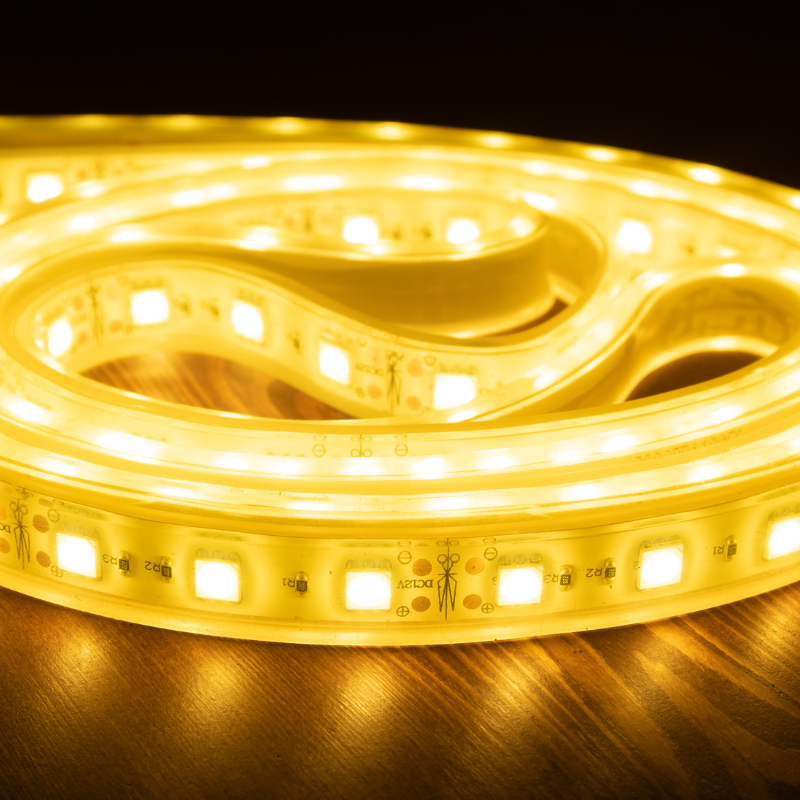
LED strip lights and LED rope lights are both flexible lighting solutions, but they differ in design and application. LED strip lights consist of small surface-mounted LEDs on a flat, narrow circuit board, offering high brightness, customizable lengths, and options for color-changing (RGB) or single-color output. They are ideal for task lighting, under-cabinet illumination, ceiling illumination, or modern decor due to their sleek profile and directional light. LED rope lights, on the other hand, feature LEDs encased in a cylindrical, flexible plastic or epoxy tube, emitting a softer, diffused glow. They are more durable against weather and bending, making them better suited for decorative purposes, outdoor use, or cove lighting. While strip lights provide precision and brightness, rope lights prioritize versatility and ambiance.

Selecting the Best Rope Lights for Your Home
Brightness, color temperature, and durability should guide your selection. For cozy living spaces, warm white (2700K-3000K) creates a welcoming ambiance, while cool white (4000K-6500K) suits modern, minimalist interiors. RGB (color-changing) rope lights add versatility, ideal for parties or mood lighting.
It is important to consider the IP rating for outdoor installations. IP65 or higher ensures resistance against dust and water. Length matters too; so, measure the installation area beforehand to avoid splicing multiple strands. High-quality rope lights feature robust wiring and even light distribution, preventing dim spots.
Rope Lighting in HDB Flats
Rope lighting offers a versatile and energy-efficient way to enhance HDB flats, providing ambient or accent lighting for ceilings, coves, and shelves. Homeowners must follow HDB guidelines, which prohibit permanent modifications to walls or ceilings without approval, making adhesive strips or removable clips the preferred installation method. For optimal results, measure the desired area beforehand, choose LED rope lights for lower heat output and energy consumption, and ensure proper spacing to avoid overheating.
Conceal wiring safely using cable channels or raceways to maintain a clean aesthetic while adhering to fire safety regulations. Also avoid overloading electrical circuits by connecting multiple strands to a single power source, and always use a transformer if required. Dimmable options allow adjustable brightness, while waterproof variants suit kitchens or bathrooms. Regular maintenance, such as dusting and checking connections, prolongs the lifespan of rope lights. By combining practicality with creative placement, residents can achieve stylish, functional lighting without compromising HDB compliance.
How to Hang Rope Lights – Installation Methods
| Installation Method | Details |
|---|---|
| Ceiling-mounted Rope Lights | Ceiling-mounted rope lights create stunning coves or perimeter lighting. Start by planning the layout. Sketch the desired pattern, accounting for corners and power sources. Use adhesive-backed clips or mounting tracks for a seamless look. For suspended installations, secure the lights with transparent fishing line or cable ties anchored to hooks. Ensure the power adapter remains accessible yet discreet. |
| Wall Mounting (Without Nails) | Not all homeowners want to drill holes. Adhesive hooks or double-sided mounting tape offer damage-free solutions. Clean the wall surface with alcohol before applying adhesive strips to enhance grip. For textured walls, consider using removable putty or zip ties around existing fixtures. |
| Rope Lights on Gutters | Gutter lighting enhances curb appeal. Clip-on gutter hooks provide a secure hold without damaging the structure. Alternatively, use magnetic strips for metal gutters. Ensure the lights follow the gutter’s contour smoothly, avoiding sagging. Weatherproof connections prevent short circuits during rain. |
| Outdoor Rope Light Installations | Outdoor installations demand weather-resistant fixtures. Stake the lights along pathways, wrap them around trees, or drape them across fences. Use outdoor-rated extension cords and GFCI outlets for safety. Avoid overloading circuits by connecting only the recommended number of strands in series. |
| Hanging Rope Lights Without Clips | For a minimalist approach, weave rope lights through lattice panels, railings, or fabric. Twist ties or clear silicone adhesive can anchor them discreetly. In gardens, tuck the lights between rocks or shrubbery for a natural glow. |
Safety Practices for Rope Light Installation
Overheating and electrical hazards pose risks. Never coil rope lights tightly because this traps heat and shortens their lifespan. Inspect wires for frays before installation. Use surge protectors and avoid daisy-chaining too many strands. For outdoor setups, ensure all connections remain dry and elevated from standing water.
Troubleshooting and Repairing Rope Lights
If sections dim or fail, check connections first because loose plugs often cause issues. For LED rope lights, a faulty diode may disrupt the entire strand. Replacement segments or soldering might be necessary. Store unused lights coiled loosely in a dry place to prevent damage.
Final Thoughts
Rope lighting transforms Singaporean homes with its versatility and charm. By selecting the right type, installing them safely, and maintaining them properly, homeowners can enjoy stunning illumination for years. Whether outlining a ceiling, brightening a balcony, or adding flair to festivities, rope lights deliver both function and beauty.

Frequently Asked Questions (FAQs) about Rope Lighting in Singapore
Yes, but prolonged use may reduce lifespan. Opt for energy-efficient LEDs and ensure proper ventilation.
Absolutely. Use low-voltage LED ropes and secure them out of reach.
Conceal cords behind furniture, under rugs, or inside cable channels.
Only if they have marked cutting points. Splicing incorrectly can damage the circuit.
Wrap them around a cardboard tube to prevent tangling and store in a dry container.