Mastering how to wire a three way light switch is an essential skill for Singapore homeowners looking to control lights from multiple locations. Whether you’re illuminating a long hallway, a staircase, or a large living space, this guide will walk you through the entire process while addressing common questions like how to wire a 3 way switch with multiple lights and how to connect switch to light bulb safely and effectively.
Understanding Three-Way Switch Systems
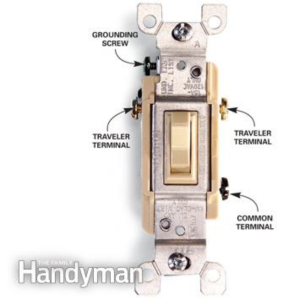
In Singapore’s residential electrical systems (230V), three-way switches create a convenient lighting control solution where two separate switches operate the same light fixture. This setup differs from standard switches by using three terminals: one common (typically marked by a darker screw) and two traveler terminals that create the switching pathway. The system works by toggling the electrical connection between these travelers, allowing either switch to control the light’s state.
How a Three Way Light Switch Works
A three-way light switch allows a light fixture to be controlled from two separate locations, commonly used in stairways, hallways, or large rooms. The system consists of two specially wired three-way switches connected to a single light. Unlike a standard single-pole switch, which has only two terminals (a common and a traveler), a three-way switch has three: a common terminal (usually darker in color) and two interchangeable traveler terminals. The common terminal on the first switch connects to the hot power source, while the common terminal on the second switch connects to the light fixture. The traveler terminals link the two switches via a pair of “traveler wires,” which carry the electrical current between them. When either switch is toggled, it alternates the connection between the travelers, either completing or interrupting the circuit to turn the light on or off. This configuration ensures that regardless of the position of one switch, the other can always control the light, providing flexible, dual-location operation. Proper wiring and terminal connections are crucial, as incorrect installation can lead to malfunction or electrical hazards.
Essential Tools and Safety Precautions
Before attempting any electrical work, gather insulated screwdrivers, wire strippers, a voltage tester, and quality electrical tape. Singapore’s humid climate makes proper insulation particularly important to prevent corrosion and short circuits. Always begin by switching off the relevant circuit breaker at your distribution board and use a voltage tester to confirm power is disconnected. Remember that while DIY electrical work is permitted for homeowners in Singapore, complex installations require a licensed electrician.
Step-by-Step Wiring Process for a Three-Way Light Switch

Watch this quick and easy tutorial on 3-way switch wiring by Morgan Inspection Services.
- Identify the Wiring Setup
In a three-way switch setup, you’ll have two three-way switches, a light fixture, and three-wire cables (with ground) connecting the switches and light. The power source (live wire) typically enters one switch box, while the light fixture is connected to the other. The traveler wires run between the two switches.
- Connect the First Three-Way Switch
At the first switch location:
- The common terminal (usually black screw) connects to the live (hot) wire from the power source.
- The remaining two wires (usually red and black) connect to the traveler terminals.
- The ground wire (green or bare) connects to the switch’s ground terminal.
- Connect the Second Three-Way Switch
At the second switch location:
- The common terminal connects to the wire leading to the light fixture.
- The traveler wires connect to the corresponding terminals (matching the first switch).
- Secure the ground wire.
- Connect the Light Fixture
The light fixture’s live wire connects to the common terminal of the second switch, while the neutral wire connects directly to the neutral supply. Ensure all connections are tight and insulated with electrical tape or wire nuts.
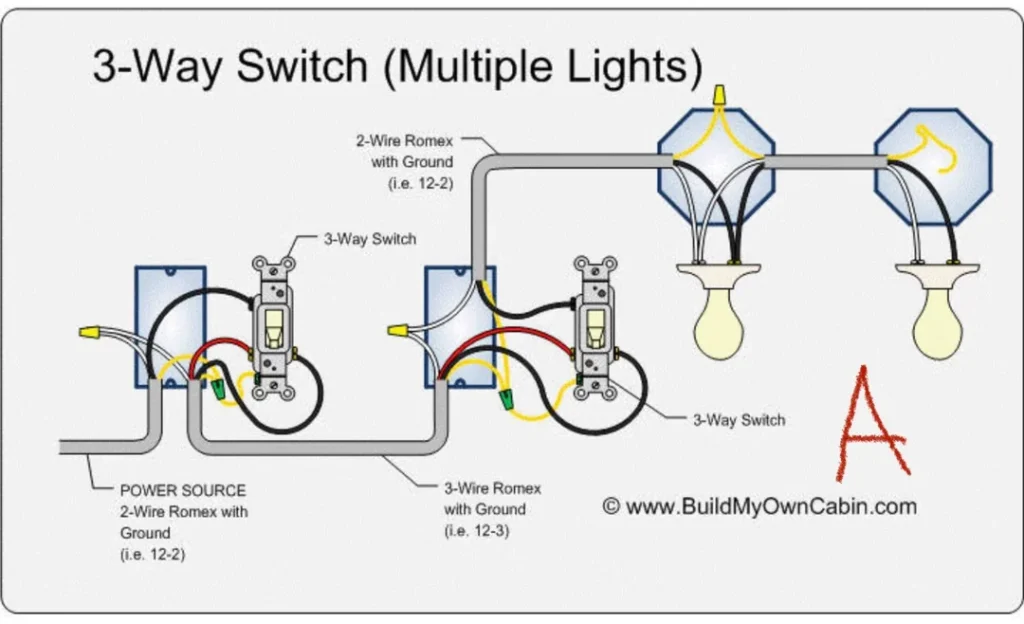
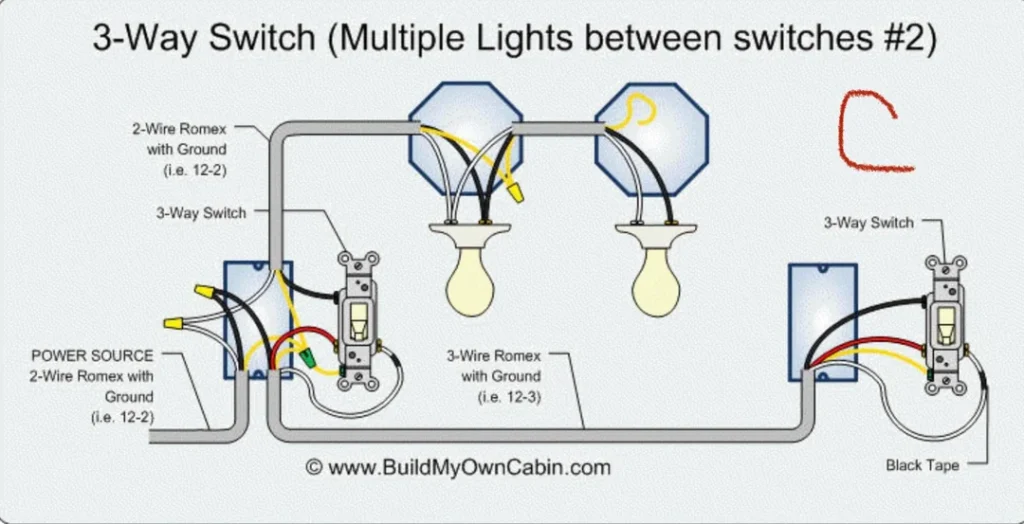
How To Wire a 3-Way Switch with Multiple Lights
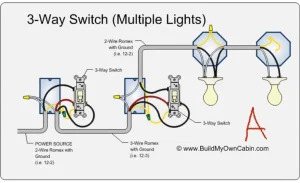
Reddit discussion: Best way to wire a 3 way switch for multiple lights?
Steps for Wiring a Three-Way Switch
A three-way switch setup allows you to control a single light fixture from two different locations. Here’s how to wire it:
Identify the Wiring Setup
In a three-way switch setup, you’ll have two three-way switches, a light fixture, and three-wire cables (with ground) connecting the switches and light. The power source (live wire) typically enters one switch box, while the light fixture is connected to the other. The traveler wires run between the two switches.
Connect the First Three-Way Switch
At the first switch location:
– The common terminal (usually black screw) connects to the live (hot) wire from the power source.
– The remaining two wires (usually red and black) connect to the traveler terminals.
– The ground wire (green or bare) connects to the switch’s ground terminal.
Connect the Second Three-Way Switch
At the second switch location:
– The common terminal connects to the wire leading to the light fixture.
– The traveler wires connect to the corresponding terminals (matching the first switch).
– Secure the ground wire.
Connect the Light Fixture
The light fixture’s live wire connects to the common terminal of the second switch, while the neutral wire connects directly to the neutral supply. Ensure all connections are tight and insulated with electrical tape or wire nuts.
Testing the Setup
After wiring, restore power and test the switches:
☑️ Both switches should independently turn the light on or off.
☑️ If the light doesn’t work, recheck connections, especially the common terminals.
Safety Considerations
- Always turn off the power at the breaker before working.
- Use a voltage tester to confirm wires are not live.
- Follow Singapore’s electrical safety standards (SS IEC 60364).
- If unsure, consult a licensed electrician because improper wiring can cause short circuits or fire hazards.
How Many Lights Can Be on a 3-Way Switch?
A 3-way switch setup allows control of one or more lights from two different locations, but the number of lights it can support depends on the electrical load, wire gauge, and circuit breaker capacity. Generally, a standard 15-amp circuit (using 14-gauge wire) can safely handle up to 12-15 LED or CFL bulbs (each ~10W) or about 8-10 incandescent bulbs (each ~60W). However, if the total wattage exceeds 1,440W (80% of the 15-amp circuit’s 1,800W limit), a 20-amp circuit (with 12-gauge wire) may be required. The 3-way switching mechanism itself does not inherently limit the number of lights—rather, the key factors are the circuit’s capacity and ensuring proper wiring to avoid overheating or tripping the breaker. For larger installations, consult an electrician to assess load distribution and compliance with local electrical codes.

Professional Considerations for Singapore Homes
While this guide covers the fundamentals of how to wire a three way light switch, Singapore’s electrical regulations may require professional certification for certain installations, especially in HDB flats or condominiums. Complex scenarios involving multiple circuits, dimmer integration, or smart home lighting systems often benefit from expert attention. Our team at FixFirst combines technical expertise with local regulatory knowledge to ensure your lighting controls are both functional and compliant, giving you peace of mind with every flip of the switch.
Troubleshooting Common Issues
After installation, test your switches thoroughly. If lights fail to respond correctly from both locations, first verify all traveler wire connections match between switches. Intermittent operation often indicates loose terminal screws, while complete failure may suggest crossed or improperly identified wires. Remember that three-way switches require specific wiring configurations and that swapping common and traveler connections will prevent proper operation. When in doubt, consult one of FixFirst’s electricians who can quickly diagnose and resolve any installation issues.

Frequently Asked Questions
Yes, but it requires running additional wiring between switch locations and using compatible three-way switches throughout the circuit.
While technically unlimited, practical considerations like voltage drop suggest keeping runs under 50 meters for optimal performance.
This indicates swapped traveler wires. Simply exchange their positions at one switch to correct the operation.
Many modern smart switches support three-way setups, but often require specific companion switches – always check manufacturer specifications.
By understanding these principles and safety measures, Singapore homeowners can confidently tackle three-way switch installations while knowing when to call in professionals for more complex scenarios.