Light bulbs brighten our homes, offices, and streets, yet we often take them for granted until they flicker, dim, or fail. In Singapore, where efficient lighting is essential for both functionality and energy savings, understanding light bulbs can help you make informed choices on your home lighting, troubleshoot issues, and perform simple fixes. Whether you’re wondering how to determine light bulb size, how to fix a light bulb, or how to wire a light bulb socket, this guide covers everything from bulb types to maintenance tips.
Types of Light Bulbs Commonly Used in Singapore
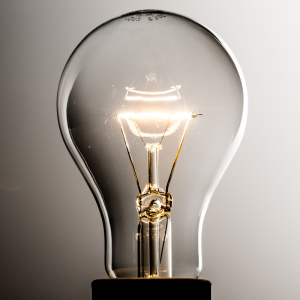
Incandescent Bulbs
Once the standard, incandescent bulbs produce warm, inviting light but consume excessive energy. Singapore’s push for energy efficiency has made them less common, yet some still prefer their nostalgic glow.
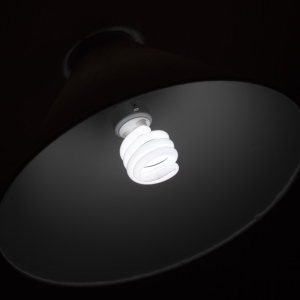
Compact Fluorescent Lamps (CFLs)
CFLs last longer and use less power than incandescent bulbs. However, they contain trace amounts of mercury, requiring proper bulb disposal. Many Singaporean households switched to CFLs before LEDs dominated the market.
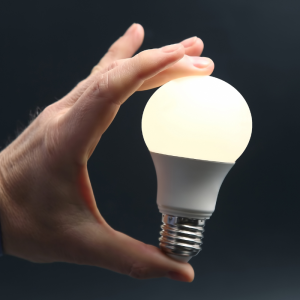
LED Bulbs
LEDs dominate Singapore’s lighting scene due to their longevity and energy efficiency. They come in various color temperatures, from warm white to cool daylight, making them versatile for homes and businesses. If you need to know how to replace LED ceiling light bulb, then LEDs are often the best option.
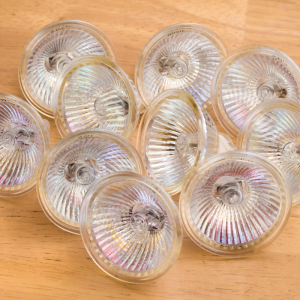
Halogen Bulbs
Halogen bulbs offer intense brightness, ideal for task lighting. However, their high energy consumption and heat output make them less popular in energy-conscious Singapore.
Common Light Bulb Issues and How To Fix Them
Flickering Lights: Causes and Solutions
Flickering can stem from loose connections, voltage fluctuations, or a dying bulb. Tightening the bulb or checking the socket often helps. If the issue persists, inspect the wiring. Knowing how to connect wire to light bulb socket can be invaluable.
Dimming Over Time: Why Bulbs Lose Brightness
LEDs rarely burn out suddenly but gradually dim. If you’re unsure how to measure brightness of light bulb, use a lux meter or compare it to a new bulb. Replacing old LEDs restores optimal lighting.
Bulb Not Turning On: Troubleshooting Steps
First, test the bulb in another socket. If it works, the issue lies in the original socket or wiring. Learning how to wire a light bulb holder can help diagnose electrical faults.
Overheating Bulbs: Risks and Prevention
Excessive heat shortens bulb lifespan and poses fire risks. Ensure proper ventilation and avoid enclosing bulbs in tight fixtures. Halogens and incandescents run hotter than LEDs.
Maintenance Tips To Extend Bulb Lifespan
Choosing the Right Wattage and Size
Using the wrong wattage strains fixtures and bulbs. If you’re unsure how to determine light bulb wattage, check the fixture’s rating or consult the manufacturer’s guidelines. Similarly, knowing how to determine light bulb size ensures compatibility. So, always measure the base diameter or refer to codes like E26 or B22.
Proper Cleaning for Optimal Performance
Dust and grime reduce brightness. Gently wipe bulbs with a dry cloth when cool. For glass shades, a mild cleaner restores clarity.
Avoid Frequent Switching
Frequent on-off cycles wear out CFLs and LEDs. Use motion sensors or smart bulbs to minimize unnecessary switching.
DIY Fixes and Wiring Solutions
How To Connect Light Bulbs in Series
Connecting bulbs in series links them in a single circuit, useful for decorative lighting. However, if one bulb fails, the entire circuit breaks. Ensure proper voltage distribution to prevent burnout.
How To Wire a Light Bulb Without a Socket
For custom lighting projects, direct wiring may be necessary. Strip the wire ends, connect them securely to the bulb’s terminals, and insulate with electrical tape. Exercise caution, though, because improper wiring risks short circuits.
How To Darken a Light Bulb
If a bulb is too bright, use a dimmer switch (if compatible) or apply a light-diffusing film. Alternatively, opt for a lower-wattage bulb.
How To Fix a Light Bulb That Won’t Light Up
Check for loose connections, test the socket with another bulb, and inspect the circuit breaker. If the bulb still doesn’t work, replace it.

Conclusion: Bright Ideas for Better Lighting
Understanding light bulbs—from types to troubleshooting—empowers you to maintain efficient, long-lasting lighting in your Singaporean home or workplace. Whether you need to know how to connect wires to a light bulb or how to replace LED ceiling light bulb, these insights ensure you stay illuminated without unnecessary hassle.
Talk to us here at FixFirst. We’d love to help you with your lighting upgrades and electrical works. Click the Whatsapp button now!