In Singapore’s push toward energy-efficient lighting, many homeowners wonder about the light quality of traditional bulbs compared to modern LEDs. A common question arises: do incandescent bulbs emit blue light? This comprehensive examination explores the spectral qualities of incandescent lighting and its implications for health and home use in Singapore’s urban environment.
The Science Behind Incandescent Light Emission
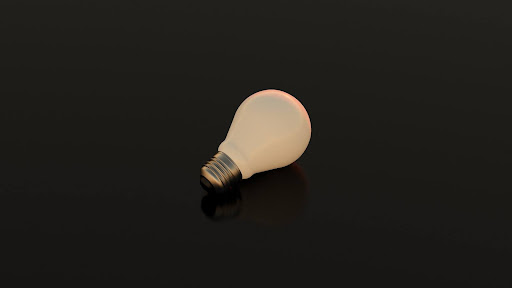
Incandescent bulbs produce light through thermal radiation – when electric current heats the tungsten filament to approximately 2,500°C, it glows and emits light across the visible spectrum. This process creates a continuous spectrum that closely resembles natural sunlight, though heavily weighted toward the infrared and red end of the spectrum.
Unlike LEDs which generate specific wavelengths, incandescent bulbs emit all colors of light, including blue. However, the proportion of blue light (wavelengths between 400-490nm) in incandescent bulbs is significantly lower than in daylight or cool white LED alternatives. Research indicates only about 10% of an incandescent bulb’s output falls within the blue light range, compared to 25-30% in daylight.
Comparing Blue Light Emission Across Bulb Types
The color temperature of a light source, measured in Kelvin (K), indicates its blue light content. Incandescent bulbs typically operate at 2700K-3000K – the warmest end of the white light spectrum. For context:
- Incandescent (2700K): Minimal blue light, strong red/yellow tones
- Warm LED (3000K): Slightly more blue than incandescent
- Cool White LED (4000K+): Significant blue light emission
- Daylight (6500K): Maximum blue light exposure
Singapore’s National Environment Agency recommends warmer lighting for residential spaces, partly due to lower blue light emission. This makes traditional incandescent bulbs naturally aligned with healthier lighting practices, though their energy inefficiency led to their phase-out under Singapore’s energy regulations. The NEA also has a paper detailing the source of the blue light component of LEDs.
Health Implications of Blue Light Exposure
Blue light affects circadian rhythms by suppressing melatonin production. The minimal blue emission from incandescent bulbs makes them ideal for evening use, as they’re less disruptive to sleep patterns than bluer light sources. This is particularly relevant in Singapore’s always-lit urban environment where artificial lighting dominates nighttime hours. However, the small amount of blue light from incandescents is enough for basic visual acuity without the potential eye strain associated with excessive blue light exposure from some LED sources. Ophthalmologists note that while incandescent bulbs do emit some blue light, it’s at levels generally considered safe for regular household use.
The Singapore Context: Regulations and Alternatives
While incandescent bulbs naturally limit blue light emission, their energy inefficiency led to Singapore’s gradual phase-out under the Mandatory Energy Labelling Scheme (MELS). Current regulations favor LED alternatives that can mimic incandescent warmth while saving energy. So, for Singapore residents seeking the warm glow of incandescents with modern efficiency, consider the following options:
✔️ LED Filament Bulbs: Provide similar visual characteristics with 80% energy savings
✔️ Warm White LEDs (2700K-3000K): Match incandescent color temperature
✔️ Smart Bulbs: Allow adjustable color temperature throughout the day
Practical Considerations for Home Lighting
Understanding that incandescent bulbs do emit blue light–just in much smaller quantities–helps inform lighting choices:
✔️ Bedrooms and Living Areas: Warm white sources (incandescent or 2700K LED) reduce circadian disruption
✔️ Task Lighting: Cooler temperatures (3000K-4000K) improve focus with moderate blue light
✔️ Children’s Rooms: Minimize blue light exposure in evening hours
The Building and Construction Authority (BCA) of Singapore’s Green Mark scheme encourages thoughtful lighting design that balances energy efficiency with human-centric lighting principles.
Conclusion
So, do incandescent bulbs emit blue light? Yes, but at significantly lower levels than most modern alternatives. While their warm glow makes them gentler on eyes and sleep cycles, Singapore’s energy regulations have rightfully shifted the market toward efficient LED options that can replicate this quality. For Singapore homeowners seeking healthy lighting solutions, the key lies in selecting the right color temperature and controlling exposure timing. Smart lighting systems now allow automated adjustment throughout the day – warm tones in evening hours, cooler light when needed for productivity.
If you need assistance optimizing your home’s lighting for both health and efficiency, FixFirst’s electrical experts can provide customized solutions tailored to Singapore’s unique urban living environment. Remember, good lighting design considers not just energy use, but also how light affects your wellbeing in your living spaces.