A simple, often overlooked detail can make a profound difference in a home’s functionality and preservation. That detail is the humble door stop. In the compact living spaces of Singaporean HDB flats and condominiums, where every centimeter counts and walls are prone to scuffs and dents, choosing the right door stop becomes not just an accessory choice, but an essential decision for home maintenance. While traditional kick-down door stops can clutter floor space and become tripping hazards, the wall-mounted alternative offers a sleek, space-saving, and highly effective solution. This comprehensive guide will walk you through everything you need to know about selecting, installing, and maintaining the perfect wall-mounted door stop for your Singapore home.

Why a Wall-Mounted Door Stop is a Singaporean Home Essential
The architecture of Singapore’s ubiquitous HDB flats presents unique challenges. Doors often swing open into tight corridors or living areas, making direct contact with walls an inevitability. This repeated impact mars paintwork, chips tiles, and can even damage door handles. A wall-mounted door stop acts as a dedicated shield, intercepting the door’s force and preserving your walls in pristine condition. Beyond protection, it eliminates the unsightly and hazardous nature of floor stops, contributing to a cleaner aesthetic and safer environment, especially for young children and elderly family members. It is a minimal investment that safeguards your property’s value and appearance.
Exploring the Different Types of Wall-Mounted Door Stops
Not all door stops are created equal. The specific needs of your door—its weight, swing force, and the space around it—will determine the most suitable type.
The Standard Rubber Stopper
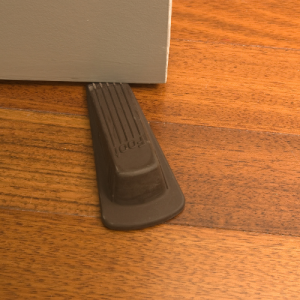
This is the most common and recognizable type. It typically consists of a small, angled plastic or metal bracket with a soft, pliable rubber bumper at the point of contact. The bracket fixes to the wall or skirting board, and the rubber pad absorbs the energy of the closing door. This design is simple, cost-effective, and works well for most interior doors. For those seeking a straightforward solution, a simple rubber door stop wall mounted offers reliable performance for standard interior doors.
The Magnetic Door Stop
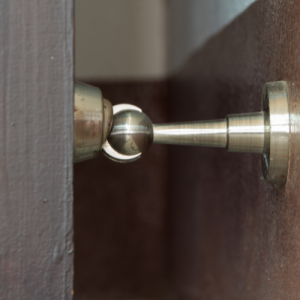
A step up in sophistication, this type employs the power of magnetism. One part, which contains a magnet, mounts to the wall. A corresponding metal strike plate attaches to the top of the door itself. As the door swings open, the magnet engages with the plate, holding the door firmly in the open position. This is ideal for rooms where you need a door to remain open, such as for ventilation or to accommodate foot traffic. A wall mounted magnetic door stop provides a clean, modern look and superior holding power without any physical obstruction.
The Hook-Mounted Door Stop
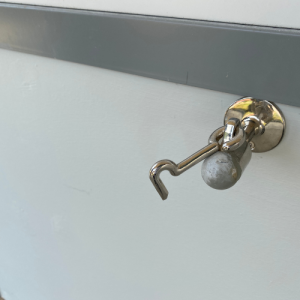
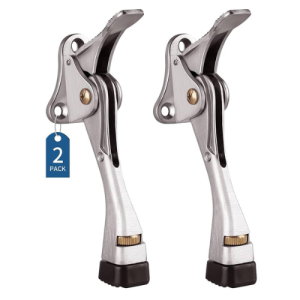
This clever design serves a dual purpose. It functions as a standard door stop with a rubber bumper but also incorporates a strong hook. When the door is open and held against the wall, the hook can be used to secure the door handle, preventing the door from swinging closed. This is exceptionally useful in areas like bedrooms or bathrooms where you might want the door held completely stationary. Choosing a wall mounted door stop with hook adds a layer of functionality, especially in breezy homes or to create a truly secure open-door position.
Heavy-Duty and Extended Reach Stoppers
Standard stoppers may not suffice for larger, heavier doors, such as solid wood entry doors or thick fire-rated doors commonly found in some condos. For these applications, you need a model specifically engineered for greater impact. A heavy duty door stop wall mount is constructed from reinforced metals like steel or hardened polymers and features a larger, more shock-absorbent bumper. It is designed to withstand the significant momentum a heavy door generates without bending or failing.
Furthermore, some doors have handles, locks, or architectural features that extend far from the door’s surface. A standard stop might miss the bumper entirely, allowing the hardware to strike the wall. To solve this, you need an extra long wall mounted door stop. These models have a longer protruding arm that ensures the door’s hardware makes contact with the stop’s protective pad instead of your wall.
How To Choose the Right Wall-Mounted Door Stop: A Buying Guide
Selecting the ideal door stop requires careful consideration of several factors to ensure it meets your specific needs.
Assess the Door’s Weight and Force
The single most important factor is the door’s mass and the momentum it carries when opening. Lightweight hollow-core doors work well with basic plastic and rubber models. Solid wood doors, metal doors, or doors with strong closing mechanisms demand a heavy duty door stop wall mount made of metal to absorb the shock without breaking.
Consider the Door’s Hardware
Examine your door handle. Does it protrude far? Is there a lock mechanism below it? If so, measure the distance from the door’s edge to the furthest point of the hardware. This will determine whether you need a standard stop or an extra long wall mounted door stop to provide adequate coverage.
Determine the Primary Function
Do you simply need to protect the wall, or do you also want to hold the door open? For mere protection, a standard stopper suffices. For holding doors open, a wall mounted magnetic door stop is superior. For multi-purpose use, a wall mounted door stop with hook offers great versatility.
Evaluate Material and Build Quality
Look for high-quality materials. Metal brackets (zinc alloy, steel) offer greater strength and durability than plastic. The bumper should be made of a high-density, resilient rubber that will not harden or crack over time. A well-made rubber door stop wall mounted will have a thick, soft pad that effectively silences impact.
Match Your Home’s Aesthetic
Door stops come in various finishes like chrome, satin nickel, matte black, or white. Choose a finish that complements your door handles, hinges, and overall interior design for a cohesive look.
Your Step-by-Step Guide to Installing a Wall-Mounted Door Stop
Proper installation is critical for both performance and safety, especially given HDB drilling regulations. Incorrect mounting can damage hidden electrical wires or water pipes within the wall.
Pre-Installation: Tools, Positioning, and HDB Compliance
Before you drill, gather your tools: a drill machine, a masonry drill bit (size matching your wall plugs), a screwdriver, a pencil, a tape measure, a level, and of course, the door stop kit with screws and wall plugs.
Positioning is everything. You must determine the exact point on the wall where the doorknob or door edge makes contact. Slowly swing the door open until the handle just touches the wall. Mark this spot lightly with a pencil. This is where the center of your door stop’s bumper should be. For magnetic stops, you will need to mark positions for both the wall plate and the door plate, ensuring they align perfectly when the door is open.
Crucially, you must be aware of what is behind your wall. HDB guidelines strictly prohibit drilling into structural beams. Furthermore, walls often conceal electrical conduits and plumbing. Drilling into these can cause severe damage, injury, and costly repairs. Use a professional-grade stud, wire, and pipe detector to scan the intended installation area thoroughly before marking your final drill points.
The Installation Process
Once you have chosen a safe location, follow these steps.
- Hold the door stop’s mounting bracket firmly against the wall at the marked position.
- Using a level, ensure the bracket is perfectly straight, both horizontally and vertically. A crooked door stop will look unsightly and may not function correctly.
- Mark the drilling points through the holes in the bracket with your pencil.
- Put on safety glasses. Select the correct masonry drill bit and drill straight into the marked points to the required depth. Clear away any dust from the holes.
- Insert the provided wall plugs into the holes until they are flush with the wall surface.
- Align the bracket over the wall plugs and drive the screws through the bracket and into the plugs. Do not overtighten, as this can strip the plug or damage the bracket.
- If your model has a separate rubber bumper or hook attachment, fix it to the bracket according to the manufacturer’s instructions.
- For magnetic stops, repeat the process to install the metal strike plate on the door itself, ensuring it aligns with the wall unit.
Why Choose a FixFirst Handyman To Install Your Wall-Mounted Door Stop
While a DIY installation might seem straightforward, entrusting the task to a FixFirst professional handyman offers undeniable advantages that guarantee peace of mind and a flawless result. Our technicians bring a wealth of experience and the right tools for the job. They possess an expert understanding of Singapore’s HDB building structures and drilling regulations, instantly identifying safe zones for installation and avoiding the potentially disastrous and expensive consequences of hitting rebar, wires, or pipes.
They ensure absolute precision in placement; a door stop that is even a few millimeters off will fail its purpose, leaving your wall vulnerable. Our handymen measure and level with professional accuracy, ensuring the stop makes perfect contact with the door every time. Furthermore, they complete the job quickly, cleanly, and without the hassle of you having to purchase or manage tools. The investment in professional installation is minimal compared to the value of protecting your property from accidental damage and the assurance of a perfectly executed job that keeps your home safe and beautiful.

Frequently Asked Questions (FAQs) - Wall Mounted Door Stop Singapore
They can be if you have the right tools, confidence, and most importantly, the knowledge to drill safely into your walls without hitting utilities. For guaranteed safety and precision, professional installation is recommended.
The height is determined by your door handle, not an arbitrary measurement. Install the stop so its bumper makes direct contact with the doorknob or the widest part of the door’s hardware.
Yes, but it requires special care. You need a diamond-tipped or carbide-tipped drill bit designed for glass or tiles to prevent cracking the tile. Drilling should be done at a slow speed with light pressure.
A heavy duty door stop wall mount with a solid metal bracket and a large, high-density rubber bumper is designed to withstand the most force from heavy doors.
It works best on lighter to medium-weight doors. Very heavy solid core or metal doors may require an exceptionally strong magnet to hold them securely.
Wipe the bracket with a damp cloth. The rubber bumper can be cleaned with a mild soap solution to prevent it from leaving marks on the door.
Many models are designed for this. However, ensure the skirting is strong enough to hold the screws and withstand the impact. Solid wood skirting is best; thinner MDF skirting may split.
You can usually tighten the screws. If the wall plug has become loose, you may need to remove it, fill the hole with a wall filler, and install a new plug in a slightly different position.
You can usually tighten the screws. If the wall plug has become loose, you may need to remove it, fill the hole with a wall filler, and install a new plug in a slightly different position.
Wall-mounted stops are primarily for inward-opening doors. For outward-opening doors, you would need a floor-mounted stop or a door-mounted stopper that contacts the ground.
They are widely available at hardware stores like HomeFix, Selffix, and hardware sections of large department stores, as well as online on platforms like Lazada and Shopee.
A wall-mounted door stop is a quintessential element of a well-maintained and thoughtfully organized home. It is a silent guardian that preserves your walls, enhances safety, and contributes to a tidy aesthetic. From the basic rubber door stop wall mounted to the sophisticated wall mounted magnetic door stop, the right choice depends on your specific door and needs. While installation requires careful planning, especially within the confines of an HDB flat, the process is simple with the right knowledge and tools—or better yet, with the help of a skilled professional.
Do not leave your walls vulnerable to unsightly damage and dents. Take the definitive step to protect your home investment. Contact FixFirst today to schedule a professional handyman service. Our experts will handle everything from helping you select the ideal stop for your door to executing a perfect, safe, and compliant door stop installation, giving you complete confidence and a perfectly protected home.