In the compact living spaces of Singapore, particularly within HDB flats, homeowners constantly seek clever methods to maximize efficiency and declutter bathroom surfaces. The bathroom counter, often crowded with skincare products and accessories, presents a prime opportunity for organization. Enter the wall mounted cotton pad dispenser, a simple yet transformative device that elevates bathroom functionality. This comprehensive guide explores every facet of selecting, installing, and benefiting from a wall mounted dispenser, tailored specifically for the Singaporean context.
The Rise of Organized Skincare: Understanding the Purpose
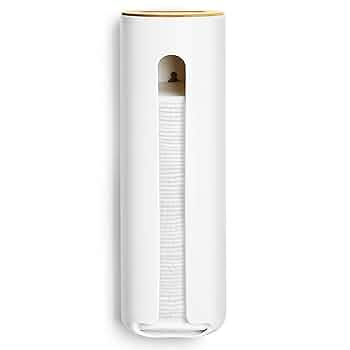
A wall-mounted cotton pad dispenser serves a dual purpose: it frees up precious counter space and streamlines daily routines. Instead of fumbling with a bulky plastic bag or a cumbersome jar, a simple one-handed motion delivers a cotton pad ready for use. This organization minimizes visual clutter, contributing to a more serene and spa-like bathroom environment. For families, it centralizes the item, making it accessible to everyone while keeping the area tidy. The act of mounting this everyday object transforms a mundane task into a small moment of order and efficiency, a valuable gain in our fast-paced lives.
Selecting the Perfect Dispenser: A Buyer's Checklist for Singapore Homes
Choosing the right dispenser involves more than just aesthetics. Singapore’s humid climate and the specific constraints of HDB bathrooms demand careful consideration.
First, assess the material. Acrylic and ABS plastic are popular choices due to their durability and resistance to moisture. Stainless steel models offer a sleek, modern look but must be of high quality to prevent rust in a humid environment. The size and capacity are equally critical. A larger container reduces the frequency of refills, a boon for busy households, but it must fit comfortably on your available wall space without obstructing movement or other fixtures.
Next, examine the dispensing mechanism. The most common type is a spring-loaded base that pushes the stack upward. Ensure this mechanism operates smoothly and can accommodate the thickness of your preferred cotton pads. The lid should be secure yet easy to remove for refilling. Finally, consider the mounting system. Adhesive-backed dispensers offer a drill-free solution, but their longevity on HDB tiles can be questionable. Dispensers requiring screws provide a permanent and reliable hold, which is where professional services become invaluable.
Exploring the Types of Wall-Mounted Cotton Pad Dispensers
The market offers a variety of designs, each with distinct advantages. Understanding these types helps you match the product to your needs and bathroom style.
The classic transparent cylinder is a widely seen model. Its clear body allows you to monitor cotton pad levels at a glance, and its simple design suits most decors. Another popular variant is the opaque or semi-opaque container, often with a minimalist, square or rectangular profile. These are excellent for concealing the contents, presenting a cleaner, more integrated look. Some advanced models feature a dual-chamber design, holding both cotton pads and cotton buds, creating a complete vanity station on your wall. For the eco-conscious, dispensers made from bamboo or other sustainable materials provide a warm, natural aesthetic.
The following table summarizes the primary types and their ideal use cases:
| Type of Dispenser | Key Characteristics | Ideal Use Case in Singapore Homes |
|---|---|---|
| Transparent Cylinder | Clear acrylic, easy-to-see inventory, simple mechanism. | Small HDB bathrooms where quick visual checks are preferred; budget-friendly option. |
| Opaque/Minimalist | Solid colors (white, black, grey), sleek design, hides contents. | Modern, minimalist bathrooms where a clean, uninterrupted look is desired. |
| Dual-Chamber | Two compartments for pads and buds, larger footprint. | Family bathrooms or larger master bathrooms to consolidate two essential items. |
| Eco-Friendly (Bamboo) | Natural material, sustainable appeal, requires more care. | Homes with a rustic or natural decor theme; for homeowners prioritizing eco-friendly products. |
Strategic Positioning and Mounting Considerations
Where you place your dispenser is as important as the model you choose. The goal is effortless accessibility without creating an obstruction.
The most logical position is on the wall adjacent to or directly above the bathroom vanity counter, within easy arm’s reach. Avoid placing it too close to the sink where water might splash onto it consistently. Consider the user’s height; install it at a level comfortable for all family members. It is also wise to ensure the location does not interfere with cabinet doors, towel racks, or the swing of the bathroom door itself.
Before any installation, especially in an HDB flat, you must review the Housing & Development Board’s renovation guidelines. These rules stipulate where and how you can drill into walls, particularly concerning concealed pipes and electrical conduits. Drilling into a tile requires a specific technique to prevent cracking. Using the wrong drill bit or applying too much pressure can easily damage the tile, leading to costly repairs.
The Definitive Step-by-Step Installation Guide
For those undertaking a DIY installation, following a meticulous process is crucial for a secure and damage-free result.
| Step | Details |
|---|---|
| Step 1: Gather Your Tools and Materials | You will need the dispenser, a pencil, a spirit level, masking tape, a power drill, a carbide-tipped drill bit suitable for porcelain or ceramic tile, wall plugs (anchors), screws, and a vacuum cleaner or brush. |
| Step 2: Plan and Mark the Precise Location | Hold the dispenser against the wall in your chosen spot. Use a spirit level to ensure it is perfectly horizontal. Mark the positions of the mounting holes lightly with a pencil. Place a small piece of masking tape over each mark; this helps prevent the drill bit from slipping on the glossy tile surface. |
| Step 3: Drill the Holes with Care | Set your drill to a low speed and, if available, use the hammer function. Start drilling slowly at a 90-degree angle to the wall. Apply steady, gentle pressure. Let the drill bit do the work. Drill to a depth slightly longer than your wall plugs. |
| Step 4: Insert Wall Plugs and Secure the Dispenser | Clear all dust from the holes using a vacuum. Gently tap the plastic wall plugs into the holes until they are flush with the tile surface. Align the mounting bracket of the dispenser with the plugs and drive the screws through the bracket and into the plugs. Tighten until the dispenser is firmly in place, but avoid over-tightening. |
| Step 5: Load and Test | Fill the dispenser with cotton pads, replace the lid, and test the mechanism to ensure it functions smoothly. |
Need a secure, crack-free cotton pad dispenser installation in your HDB bathroom? FixFirst’s certified handymen use professional tools and HDB-compliant techniques to install fixtures on tiles without damage
Why Choose a FixFirst Handyman To Install Your Wall-Mounted Cotton Dispenser
While a DIY project can be appealing, entrusting the task to a FixFirst professional guarantees a flawless outcome, saving you time, effort, and potential mishaps.
✔️Expertise in HDB Regulations and Wall Structures: Our handymen possess in-depth knowledge of HDB drilling guidelines. We know how to identify safe drilling zones, avoiding electrical wires and water pipes concealed within your walls.
✔️Professional-Grade Tools and Technique: We use industrial-quality drills and specialized carbide-tipped bits designed for Singaporean bathroom tiles. This professional approach completely eliminates the risk of tile cracking during installation.
✔️Perfect Alignment and Secure Mounting: Achieving a perfectly level installation on a tiled wall can be tricky. Our professionals ensure your dispenser is mounted straight and securely, guaranteeing it will hold its weight reliably for years to come.
✔️Time and Hassle Elimination: You avoid the entire process of buying tools, the physical labor of drilling, and the cleanup afterward. We handle the entire project from start to finish with efficiency and precision.
✔️Peace of Mind: The assurance of a job done correctly and safely by a certified technician is invaluable. You eliminate the worry of damaging your property and can enjoy your newly organized space immediately.

Frequently Asked Questions (FAQs) about Wall-Mounted Cotton Pad Dispenser in Singapore Homes
Adhesive mounts can work on perfectly smooth, clean tiles but often fail over time in humid conditions. The constant weight and humidity can weaken the adhesive, leading to the dispenser falling. For a permanent solution, screw-in mounting is vastly superior.
Most dispensers are designed for the common 5.5cm to 6cm diameter cotton pads. It is always best to check the product specifications before purchasing, especially if you use extra-large or thick pads.
Drilling into glass or mirrors is a highly specialized task that carries a significant risk of shattering. It is strongly discouraged for DIY. If this is your only option, consult a professional.
Most acrylic or plastic dispensers can be wiped down with a damp cloth. Avoid abrasive cleaners. For a deeper clean, you can usually remove the entire unit from the wall by unscrewing it.
This is often due to overfilling or using pads that are too thick for the spring mechanism. Try removing a few pads. If the problem persists, check if the spring is functioning correctly or if the pads have expanded due to humidity.
This depends on your space and habits. If you use both items daily and have the wall space, a dual-chamber unit is an excellent space-saving solution. If you rarely use cotton buds, a single dispenser is more than sufficient.
They are widely available online on platforms like Shopee, Lazada, and Amazon.sg. They can also be found in home-living stores such as Daiso, Muji, and IKEA.
A wall-mounted cotton pad dispenser is a small upgrade that delivers significant benefits in organization and daily convenience. By selecting the right type and ensuring a perfect installation, you can enhance the functionality of your Singaporean bathroom for years to come. While the DIY route is an option, the complexities of tiled HDB walls make professional installation the wisest choice for a guaranteed, damage-free result. Contact FixFirst today to schedule a professional handyman service and transform your bathroom with confidence and ease.