The pursuit of cool, comfortable living in Singapore’s perennial summer often leads homeowners to a single, powerful solution: the air conditioner. Yet, the constant hum of an AC unit brings with it significant energy costs and environmental concerns. A viable alternative is gaining prominence in HDB flats and private apartments alike: the wall mounted bladeless fan Singapore residents are adopting for its blend of modern aesthetics, efficient air circulation, and space-saving design. This guide delves deep into everything you need to know, from selection to professional installation.
Understanding the Appeal of Wall-Mounted Bladeless Fans
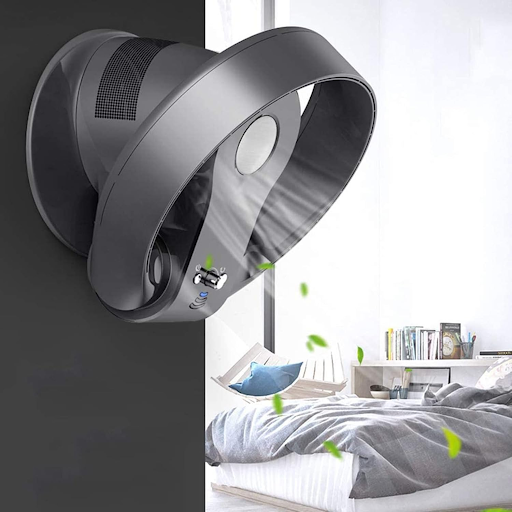
Bladeless fans, a marvel of modern engineering, operate on a principle of air multiplication. A quiet, high-efficiency motor draws air into the base of the unit. This air is then forced through a hollow ring or airframe and expelled through a narrow aperture, creating a consistent, uninterrupted stream of smooth airflow. Mounting this system on the wall unlocks a new dimension of utility. It liberates precious floor space, a critical advantage in compact Singaporean homes. The elevated position allows for better air distribution across a room, and the absence of fast-spinning blades makes it a profoundly safer option for households with young children and pets. The sleek, minimalist profile complements contemporary interior design, serving as a functional piece of art rather than a mere appliance.
Navigating the Selection Process: Choosing Your Ideal Fan
Selecting the right fan requires careful consideration of your specific needs and the room’s characteristics. The first and most crucial factor is size and power. A fan’s effectiveness is measured by its ability to move air, typically denoted in Cubic Feet per Minute (CFM). A larger living room or open-concept kitchen demands a unit with a higher CFM rating and a wider oscillation range to circulate air throughout the entire space. Conversely, a bedroom or study nook may only require a more compact, focused model.
Beyond raw power, features define the user experience. Variable speed settings grant precise control over airflow, while a robust oscillation function ensures even cooling. Many modern units include remote controls for convenient adjustment and programmable timers to operate the fan for a set duration, promoting energy efficiency. The noise level, measured in decibels (dB), is paramount for bedrooms; look for models specifically designed for quiet operation. Finally, consider the design and finish. A Belle bladeless fan wall mounted model, for instance, might offer a particular aesthetic appeal with its clean lines and premium finish, ensuring it integrates beautifully with your home’s décor.
A Detailed Look at Fan Types and Their Perfect Placement
Not all wall-mounted bladeless fans serve the same purpose. Understanding the different types allows for a more targeted and effective purchase.
Standard oscillating models represent the most common variety. These units feature a central airframe that pivots from side to side, distributing air across a broad arc. Their versatility makes them an excellent default choice for general use in living rooms, dining areas, and master bedrooms where wide-area coverage is the primary goal.
Fixed-direction fans offer a focused and powerful stream of air. Without oscillation, they direct airflow exactly where it is needed most. This makes them ideal for targeted cooling, such as above a reading chair, a work desk, or a kitchen counter where you need relief from heat without stirring papers or causing a draught elsewhere.
A newer category includes fans with dual or multi-directional vents. These advanced models can project air in multiple streams simultaneously, sometimes in different directions. They represent the pinnacle of whole-room air management, capable of creating a complex circulation pattern that eliminates hot spots and stagnant air in larger, irregularly shaped spaces.
Summary Table: Fan Types and Their Applications
| Fan Type | Key Characteristics | Ideal Use Cases in Singapore Homes |
|---|---|---|
| Standard Oscillating | Pivots side-to-side for wide-area coverage. Highly versatile. | Living rooms, HDB common areas, larger bedrooms. |
| Fixed-Direction | Projects a concentrated, powerful stream of air without moving. | Above study desks, kitchen counters, focused seating areas. |
| Dual/Multi-Directional | Features vents that project air in multiple paths for complex circulation. | Large open-plan layouts, spacious condominium living areas. |
The Critical Pre-Installation Planning Phase
A successful installation begins long before the first drill bit is used. The first step is identifying the perfect location. The goal is to maximize airflow while ensuring the fan’s operation is unobstructed. Consider the primary seating or activity areas you wish to cool. The fan should be mounted high enough on the wall to clear heads and furniture but not so high that it loses effectiveness. Avoid placing it directly above large obstructions like tall cabinets.
The next, non-negotiable step is locating hidden dangers within your walls. Singapore HDB walls commonly conceal electrical wiring, plumbing pipes, and reinforced concrete structures. Drilling into any of these can lead to severe injury, significant property damage, and costly repairs. While stud finders can help, they are not infallible, especially with complex HDB wall compositions.
Furthermore, homeowners must adhere to the Housing & Development Board’s renovation guidelines. These rules stipulate protocols for drilling into walls, especially those that are structural or shared with neighbors. Non-compliance can result in penalties. It is always prudent to understand these regulations, which are detailed on the HDB website, before commencing any work.
A Step-by-Step Guide to Professional Mounting
While a proficient DIY enthusiast may attempt this, the complexity of HDB walls makes professional installation highly recommended. The process a certified handyman follows is meticulous and safety-oriented.
| Step | Details |
|---|---|
| Step 1: Precise Marking and Verification | The technician first marks the desired mounting location using a spirit level to ensure perfect alignment. They then employ a professional-grade cable and pipe detector to meticulously scan the wall depth for any hidden utilities or rebar. |
| Step 2: Selecting the Correct Hardware | The technician chooses the appropriate drill bit for your wall type (e.g., concrete, brick, drywall) and selects heavy-duty wall anchors and screws rated to support the significant weight and torque of the fan, which can be considerable during operation. |
| Step 3: Precision Drilling | Using a high-torque drill, the technician creates pilot holes at the marked points. They control the drill depth to avoid penetrating through to the other side of the wall, which is especially important for shared HDB partitions. For concrete walls, a hammer drill and masonry bit are used. |
| Step 4: Securing the Mounting Bracket | The technician inserts wall plugs into the cleanly drilled holes and secures the mounting bracket firmly to the wall using a screwdriver or impact driver, ensuring it is perfectly level and has no movement. |
| Step 5: Final Assembly and Wiring | The fan unit is carefully lifted and attached to the secured bracket. For hardwired models, a licensed electrician must make the final electrical connections to the household circuit, ensuring all safety standards are met. For plug-in models, the technician will neatly manage the cable, possibly using clips to route it safely to the nearest outlet. |
| Step 6: Testing and Adjustment | Once secured, the technician powers on the unit to test all functions—speed settings, oscillation, and remote control—ensuring everything operates smoothly and without excessive vibration or noise. |
Need a secure, damage-free wall-mounted fan installation in your HDB flat? FixFirst’s certified handymen use professional tools and HDB-compliant techniques to ensure your fan is level, stable, and safe
Why Choose a FixFirst Handyman To Install Your Wall-Mounted Bladeless Fan
✔️Expertise in HDB Wall Composition: Our technicians possess intimate knowledge of the various materials and construction methods used in Singapore’s HDB blocks. We know how to handle reinforced concrete, hollow blocks, and partition walls correctly.
✔️Detection Technology: We use appropriate detection equipment to map out electrical conduits, water pipes, and metal reinforcements within the wall to prevent accidental strikes.
✔️Adherence to HDB Guidelines: We ensure every installation fully complies with HDB regulations, protecting you from potential liability and ensuring your home’s structural integrity remains intact.
✔️Right Tools for a Flawless Finish: Our teams arrive equipped with industrial-grade drills, hammer functions, carbide-tipped bits, and a full complement of hardware to install your fan securely on any surface, preventing future loosening or damage.
✔️Time and Hassle Savings: We handle the entire process, from initial assessment to clean-up, saving you hours of effort, potential frustration, and multiple trips to the hardware store.
✔️Safety Assurance: Most importantly, we eliminate the danger of electric shock, water flooding, or structural damage that can arise from an amateur installation attempt.

Frequently Asked Questions (FAQs) - Wall Mounted Bladeless Fan Singapore
Yes, they are highly effective. While they do not lower humidity like an air conditioner, they significantly improve personal comfort by accelerating sweat evaporation from the skin, creating a cooling effect. They are excellent for use alone or in tandem with an AC to distribute cool air more efficiently, allowing you to set the thermostat higher and save energy.
Bladeless fans are generally very energy-efficient. Most models consume between 30 to 60 watts on their highest setting, a fraction of the 700-1500 watts used by a typical air conditioner. This makes them a cost-effective solution for all-day cooling.
While plug-in models are technically possible for a very skilled DIYer, we strongly advise against it. The critical risks involve drilling into electrical wires or water pipes hidden within HDB walls. The weight and vibration of the fan also demand a perfectly secure mount, which requires the correct tools and expertise.
Maintenance is simple. Regularly wipe the external surfaces with a soft, dry cloth to remove dust. For a deeper clean, a damp cloth with a mild detergent can be used. The internal impeller, located at the intake, will accumulate dust over time and should be gently vacuumed or wiped every few months to maintain optimal performance and quiet operation.
Most wall-mounted fans allow you to adjust the tilt angle of the head manually to direct the airflow up or down. The side-to-side oscillation is controlled electronically via the remote. The fixed mounting bracket itself cannot be adjusted once installed, which is why precise positioning during installation is so important.
Prices vary based on size, brand, and features. You can find basic models starting from around SGD 200, while premium brands like Dyson or a Belle bladeless fan wall mounted unit with advanced features can range from SGD 500 to over SGD 1,000.
Yes, provided you select a model with a sufficient CFM rating and wide oscillation designed for room sizes similar to yours. Check the manufacturer’s specifications for recommended room size coverage before purchasing.
This depends on the retailer. Some premium brands may include installation, but many do not. Even if installation is offered, verifying the installer’s credentials and experience with HDB regulations is wise.
Absolutely. This is one of their greatest advantages. The absence of accessible fast-spinning blades makes them completely safe for curious children, eliminating the risk of finger injuries.
Many newer models offer smart functionality, allowing you to control them via Wi-Fi and smartphone apps, and integrate them with systems like Google Home or Amazon Alexa for voice control.
A wall mounted bladeless fan Singapore approach offers a smart, stylish, and efficient answer to the challenge of staying cool. It represents a thoughtful investment in your home’s comfort and aesthetic, freeing up floor space while providing a gentle and safe breeze. However, the full benefits of this advanced appliance are only realized through a flawless and secure installation. The intricacies of Singapore’s HDB walls demand a professional touch to mitigate risks and ensure optimal performance. Do not leave this critical task to chance. Contact FixFirst today to schedule your professional installation and transform your living space with confidence and ease.