The vertical spaces in our homes and offices hold immense potential. In a land-scarce nation like Singapore, where every square foot counts, looking upward and mounting items onto our walls is not just an aesthetic choice but a practical necessity. At the heart of this vertical revolution lies a deceptively simple component: the metal wall mount. This unassuming piece of engineering bears the weight of our entertainment systems, our storage solutions, and our prized decor. Yet, its selection and installation demand a level of consideration that many overlook until a costly mistake occurs. This comprehensive article delves into every facet of the metal wall mount, examining its role within the unique context of Singaporean HDBs, private residences, and commercial spaces, ensuring your next installation is not only beautiful but fundamentally sound.

Understanding the Anatomy of a Metal Wall Mount
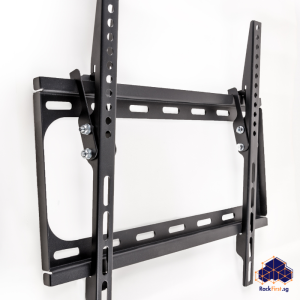
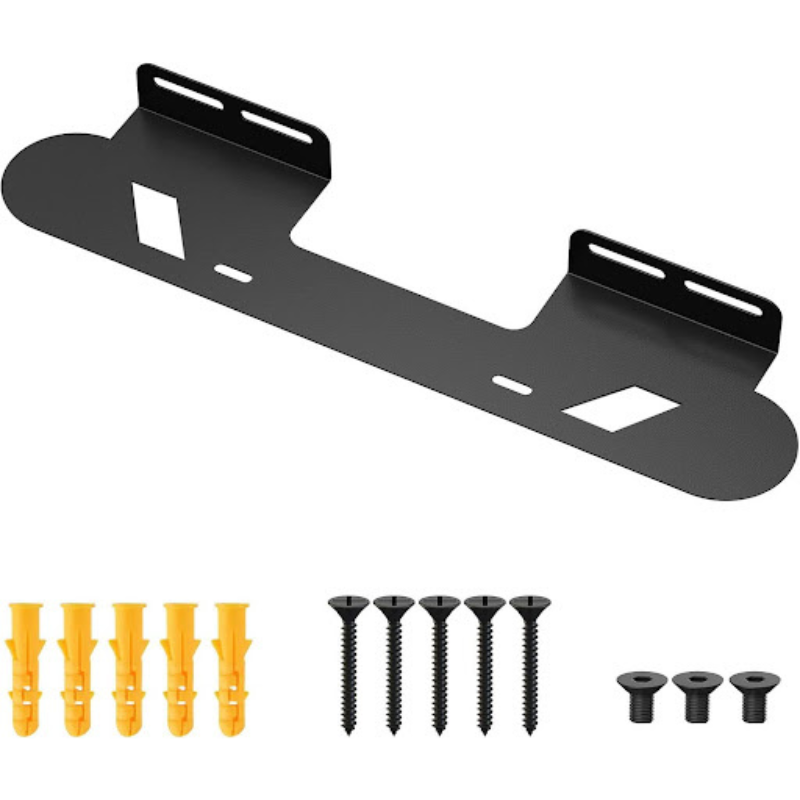
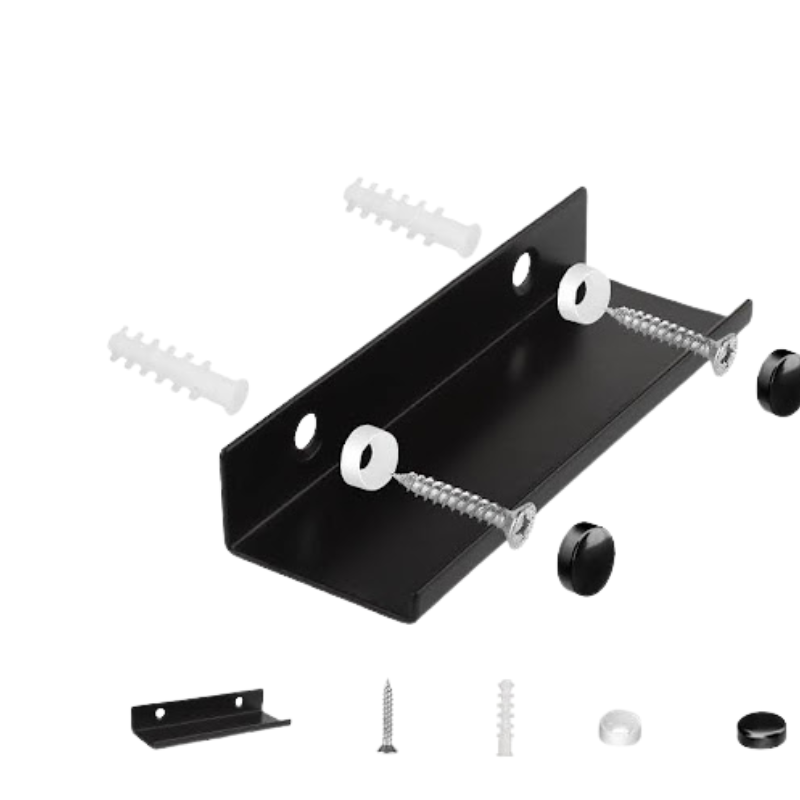
A metal wall mount is far more than a simple bracket. It is a precision-engineered system designed to create a secure, load-bearing connection between an object and a wall. The most common application is for televisions, but its utility extends to floating shelves, heavy mirrors, kitchen cabinets, and display units. The primary material, typically steel or aluminum, provides the necessary tensile strength to resist the forces of gravity and torque. The quality of this metal, along with its thickness and finishing—such as powder-coating to resist Singapore’s humid climate—directly influences its durability and longevity. The design incorporates several key parts: a wall plate that anchors to the vertical surface, a bracket or arms that attach to your item, and a mechanism that connects the two, which can range from a simple hook to a complex, multi-directional pivot.

The Singaporean Context: HDB Walls and Building Regulations
The success of any mounting project in Singapore hinges on a critical understanding of the wall itself. The majority of Singaporeans live in HDB flats, which feature walls constructed from materials like reinforced concrete, brick, or aerated concrete blocks. Each material possesses distinct load-bearing characteristics and requires a specific approach.
Reinforced concrete, often found in structural columns and some partition walls, offers the strongest hold. Brick walls provide substantial strength but can be brittle. The most common challenge arises with aerated concrete blocks—lighter, less dense partitions that are notorious for their inability to hold heavy loads with standard wall plugs. Mounting a heavy television on such a wall without proper reinforcement is a recipe for disaster. Furthermore, homeowners must consider the concealed network of electrical wiring and water pipes within the walls. Striking a live wire or a pipe during drilling is not only dangerous but can lead to extensive and expensive repairs. A professional assessment often becomes indispensable, as drilling experts use stud finders and wire detectors to map out safe zones for installation, ensuring compliance with HDB guidelines that discourage alterations that compromise structural integrity or safety.
Choosing the Right Metal Wall Mount for Your Needs
Selecting an appropriate metal wall mount is a three-fold process involving weight capacity, compatibility, and functionality. First, you must calculate the total weight of the object you intend to hang, then choose a mount with a maximum weight rating that exceeds this figure. A common error is neglecting the dynamic load—the extra stress exerted when adjusting the mount or during accidental bumps. Second, ensure the mount’s VESA pattern (the spacing of the mounting holes on your TV or monitor) matches the pattern on the mount’s arms. Third, consider the type of movement you desire.
Fixed mounts hold the TV flush against the wall, offering a sleek, space-saving profile. Tilting mounts allow for vertical angle adjustments, ideal for installations higher than eye level, such as in bedrooms or above fireplaces. The full-motion or articulating metal wall mount provides the greatest flexibility, with arms that extend, swivel, and tilt. This type is perfect for corners or rooms where viewing angles vary, but it requires the most robust anchoring due to the increased leverage and stress on the wall fasteners.
The Critical Role of Fasteners and Anchors
The strongest metal wall mount is only as reliable as the fasteners that tether it to the wall. Using the wrong screws or wall plugs is the single most frequent cause of mounting failures. For solid concrete or brick walls, heavy-duty expansion anchors or sleeve anchors are necessary. They expand against the interior of the drilled hole, creating a powerful, permanent grip.
For the more problematic hollow or aerated concrete blocks found in many HDBs, standard plastic plugs are wholly inadequate. Instead, you must employ specialized hollow wall anchors. Mechanical toggle bolts, such as spring toggles or toggle bolts, spread the load behind the inner wall surface, effectively distributing weight across a larger area. For the heaviest loads in hollow walls, chemical anchoring systems provide a superior solution. This involves injecting a two-part resin into the drilled hole before inserting the screw. The resin hardens, bonding the fastener to the surrounding material and creating an incredibly strong, unified hold that is exceptionally well-suited to Singapore’s building materials.
A Step-by-Step Guide to a Secure Installation
A meticulous approach to installation is non-negotiable for safety and performance.
| Step | Details |
|---|---|
| Step 1: Plan and Prepare | Identify the ideal location for your item, considering viewing height, room layout, and power source accessibility. Use a high-quality stud and wire detector to scan the area thoroughly. Mark the desired height and the precise points for drilling. |
| Step 2: Gather Tools and Materials | Ensure you have the correct metal wall mount, the appropriate anchors and screws for your wall type, a power drill with a hammer function (for concrete/brick), a drill bit of the exact size specified for your anchors, a spirit level, and the necessary wrenches and screwdrivers. |
| Step 3: Drill Pilot Holes | Carefully drill the pilot holes at your marked points to the required depth. Use controlled force and vacuum away dust to keep the work area clean. |
| Step 4: Install Wall Anchors | Insert the chosen wall anchors into the holes. For toggle bolts, you may need to partially assemble them before insertion. For chemical anchors, follow the product instructions precisely for mixing and injection. |
| Step 5: Attach the Wall Plate | Position the wall plate over the installed anchors and secure it with the provided screws. Use a spirit level to confirm it is perfectly horizontal before fully tightening all fasteners. |
| Step 6: Assemble and Hang | Attach the mounting arms to your TV or other object, ensuring they are secure and correctly oriented. With assistance, carefully lift the item and hook or bolt it onto the wall plate according to the manufacturer’s guidelines. |
| Step 7: Final Adjustments and Cable Management | Make any final adjustments to the tilt or swivel. Finally, use cable ties or a dedicated conduit to manage the power and AV cables, achieving a clean, professional appearance and reducing trip hazards. |
Need a secure, damage-free wall mount installation in your HDB flat? FixFirst’s certified handymen use professional tools and HDB-compliant techniques to ensure your mount is level, stable, and safe
Common Pitfalls and How To Avoid Them
Many DIY installations falter due to predictable errors. Underestimating the weight of the object and overestimating the strength of the wall is a primary concern. Another frequent misstep is using the drill bits that come with cheap, generic anchor sets; these are often low-quality and can drill an imprecise hole, compromising the anchor’s grip. Overtightening screws can strip the threads in the wall anchor or damage the mount, while undertightening leaves the connection insecure. Finally, ignoring the manufacturer’s instructions leads to improper assembly and unnecessary risk. Acknowledging the limits of one’s own skill and tools is a sign of wisdom; for complex installations, particularly on challenging HDB walls, engaging a professional service like Fixfirst guarantees peace of mind and a result that is both safe and elegant.

Frequently Asked Questions (FAQs) about Metal Wall Mounts
There is no single answer, as it depends entirely on the specific mount’s rating, the type of wall, and the correct use of appropriate anchors. A high-quality mount itself may support 50-100kg, but the limiting factor is almost always the wall material and anchors. Always choose a mount and anchor system rated for well above your TV’s weight.
You can perform a simple “knock test.” A solid concrete or brick wall will produce a dull, solid sound when you knock on it. A hollow block wall will produce a more hollow, echoing sound. For absolute certainty, especially with heavy items, a professional assessment is recommended.
Yes, but it requires extra care to prevent the tiles from cracking. Use a specialist tile drill bit to puncture the glazed surface before switching to a masonry bit for the underlying wall. Apply gentle, steady pressure without hammering until you are through the tile.
This is generally not advisable for anything but the lightest loads. These partition walls are typically made of low-density materials and cannot support the significant weight and leverage of a television, especially a full-motion mount.
A very minor flex in a fully extended full-motion mount can be normal due to the long lever arm. However, significant wobbling or a loose feel when the mount is close to the wall indicates a problem. Check that all bolts and screws are tightened according to the manufacturer’s specifications.
VESA (Video Electronics Standards Association) defines a standard pattern for the mounting holes on the back of TVs and monitors. Your metal wall mount must have a VESA pattern that is compatible with your device’s pattern for it to attach properly.
In most cases, yes, provided the new TV is within the weight and VESA compatibility limits of the existing mount. You will likely need to adjust the mounting arms to fit the new TV’s VESA pattern.
HDB guidelines prohibit alterations that damage the structural integrity of the flat. While drilling for a TV mount is generally acceptable, creating large recesses or chipping away significant concrete is not. For major renovations, always consult HDB guidelines or seek professional advice.
The extension length varies by model but typically ranges from 400mm to over 800mm. Consider your room layout and ensure that when fully extended, the TV does not obstruct walkways or furniture.
Periodically check that all screws and bolts are tight (every 6-12 months). Inspect the mount for any signs of rust, especially in Singapore’s humidity, and wipe it down with a dry cloth to prevent dust buildup that can affect moving parts.
The humble metal wall mount is a testament to the principle that true strength lies in a foundation of knowledge and precision. It bridges the gap between our prized possessions and the walls that define our living spaces. In the unique environment of Singapore, with its specific architectural norms and challenging materials, taking a haphazard approach is a risk to both property and personal safety. By understanding the intricacies of wall types, load capacities, and anchoring systems, you transform a simple hardware item into a guarantee of security and elegance.
Do not leave the security of your television, your shelving, or your decor to chance. For an installation that combines expert knowledge with flawless execution, trust the professionals at Fixfirst. Contact us today for a consultation and ensure your next project is mounted securely.