Does an Invisible Grille Anti Theft System Actually Stop Burglars?
The term “invisible grille anti theft” suggests a product designed to keep intruders out. The reality requires more nuance. An invisible grille primarily serves as a fall prevention barrier for children and pets. Its anti-theft capabilities exist, but they operate differently from traditional metal grilles.
Standard cable-type invisible grilles use high-tensile stainless steel cables stretched taut across window openings. Wire cutters can clip these cables. This fundamental vulnerability means an invisible grille anti theft system alone cannot guarantee protection against determined intruders.
The security question depends entirely on the specific product chosen. A standard cable invisible grille offers basic deterrence. A rod-type invisible grille, using solid stainless steel rods instead of stranded cables, provides superior resistance against break-in attempts. Cutting through a solid rod requires more effort and specialised tools than snipping a stranded cable.
For ground-floor units, landed properties, or any home with accessible windows, this distinction matters enormously. Homeowners must recognise that not all invisible grilles deliver the same level of anti-theft protection.

How an Invisible Grille Anti Theft System Actually Deters Intruders
An invisible grille anti theft system works through several mechanisms, none of which involve brute strength alone.
Deterrence through visibility forms the first layer. Intruders typically target homes that appear easy to enter. A properly installed invisible grille anti theft system signals that the homeowner has taken security seriously. Burglars prefer paths of least resistance.
Tension and material strength provide the second layer. Quality cables withstand pressure up to 90kg. Marine-grade 316 stainless steel resists cutting attempts better than lower-grade alternatives. The 316 grade contains molybdenum, providing exceptional corrosion resistance that maintains the cable’s structural integrity over time.
Alarm integration adds a third layer. Some invisible grille anti theft systems connect to alarm sensors that trigger when cables are cut. The loud alarm alerts neighbours and deters further intrusion attempts.
Window locking completes the security picture. An invisible grille anti theft system works best when the window itself remains locked. The grille serves as a secondary barrier, not a replacement for proper window security.
The Invisible Grille Anti Theft Limitations Every Homeowner Must Know
An invisible grille anti theft system has clear limitations that homeowners must understand before installing.
Cable cuttability represents the primary vulnerability. Standard cable grilles can be cut with ordinary tools. This does not make them useless, but it does mean they should not be the sole security measure for vulnerable ground-floor units.
Tension loss compromises security over time. Cables may develop slack, creating gaps that a person could push apart. Regular maintenance checks maintain the integrity of an invisible grille anti theft system.
Spacing considerations affect security outcomes. Wider spacing (four inches) creates gaps that could allow access. Tighter spacing (two to three inches) improves both child safety and anti-theft protection.
Installation quality determines real-world performance. Improperly anchored cables pull free under pressure. Only BCA-approved contractors possess the training to install an invisible grille anti theft system correctly.
Rod-Type vs Cable: Which Invisible Grille Anti Theft System Wins?
The invisible grille anti theft debate often centres on one critical choice: rod-type or cable-type.
A rod-type invisible grille replaces thin, flexible cables with solid stainless steel rods. These rods measure between 2mm and 3mm in diameter, similar to cable thickness, but their solid construction delivers markedly different security outcomes. The rod-type invisible grille, on the other hand, offers superior resistance against forced entry. Solid rods resist bending and cutting through their solid composition. Stranded cables flex and stretch under pressure, relying on tension to maintain their position.
The trade-off involves visibility. A rod-type invisible grille, while still unobtrusive, presents a slightly more visible presence due to the solid nature of the bars. Homeowners must weigh this aesthetic consideration against the security benefits.
Material Matters: What Makes an Invisible Grille Anti Theft System Effective
The material specification determines whether an invisible grille anti theft system actually performs as advertised.
Marine-grade 316 stainless steel represents the gold standard for any invisible grille installed in Singapore. The molybdenum content provides exceptional corrosion resistance against high humidity, frequent rain, and salt air.
Grade 304 stainless steel offers a more budget-friendly alternative but falls short in coastal areas or locations with direct weather exposure. The absence of molybdenum makes 304 more susceptible to rust formation in Singapore’s tropical environment.
Cable construction affects cutting resistance. 7×7 strand construction with a 2mm cable diameter represents the standard for most invisible grille systems. Thicker cables offer greater resistance to cutting attempts.
Coating quality impacts long-term integrity. Standard nylon coatings crack and peel within three to five years under Singapore’s intense UV exposure. Once the coating fails, the stainless steel core loses its protective layer. Rust develops and the risk of cable snap rises. A failed coating compromises the structural integrity of any invisible grille anti theft system.
Installation: The Make-or-Break Factor for Invisible Grille Anti Theft
Proper installation of an invisible grille anti theft system requires precision and expertise that only BCA-approved contractors possess.
Anchor points must be drilled into solid concrete or secure frames. Improper anchoring allows cables to pull free under pressure.
Tensioning requires correct specification. Too loose and the cables sag, creating gaps. Too tight and they place excessive strain on the mounting points. Correct tensioning ensures the invisible grille anti theft system maintains its integrity.
Spacing selection must match household needs. Two-inch spacing provides maximum protection for homes with young children while maintaining anti-theft effectiveness. Three-inch spacing suits families without very young children.
Invisible Grille Anti Theft vs Traditional Grilles: A Straight Comparison
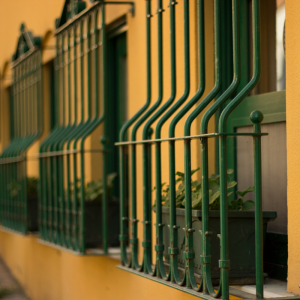
Security strength favours traditional grilles. Wrought iron and heavy-duty mild steel grilles withstand cutting attempts better than cable systems. They provide a physical barrier that requires substantial force or specialised equipment to breach.
Aesthetics and lifestyle favour invisible grilles. Traditional grilles block airflow, reduce daylight, and make rooms feel enclosed. Invisible grilles allow maximum airflow, keep rooms bright, and maintain open views.
Safety outcomes differ between the two options. Both prevent falls when correctly installed. Invisible grilles allow customisable spacing (two to four inches), making them safer for homes with toddlers. Traditional grilles feature fixed spacing that may not suit every household’s safety requirements.
Installation requirements affect choice. For most HDB flats, installing internal metal grilles behind windows does not require prior HDB approval. The grilles must remain fixed internally and must not protrude from the building’s main facade.
For homeowners prioritising security above all else, traditional grilles offer superior protection. For those balancing aesthetics, natural light, and child safety, an invisible grille anti theft system with rod-type construction and 316-grade steel provides a practical middle ground.
Making the Right Choice for Your HDB Home
Selecting an invisible grille anti theft system requires honest assessment of your home’s specific security needs.
Ground-floor units and corridor-facing windows demand higher security. These locations are more accessible to intruders. A rod-type invisible grille anti theft system with 316-grade steel provides meaningful protection. Traditional grilles may be the better choice for these homes.
High-floor units face lower burglary risk. The primary concern shifts to fall prevention. A standard cable invisible grille anti theft system with two-inch spacing and 316-grade steel delivers adequate protection while preserving views and natural light.
Service yards and balcony parapets require HDB approval. These locations follow different rules and require formal application before installation.
FixFirst: The BCA-Certified Choice for Invisible Grille Anti Theft in Singapore
FixFirst holds BCA certification and HDB registration, meeting all legal requirements for window works and grille installations in Singapore. Choose us for your invisible grille anti theft installation. Talk to us over Whatsapp today.