Removing a light cover from the ceiling might seem simple, but doing it incorrectly can lead to broken fixtures, electrical hazards, or even personal injury. For Singapore residents living in HDB flats, condominiums, or landed properties, understanding how to remove light cover from ceiling properly is essential for maintenance, bulb replacement, or cleaning. This comprehensive guide covers all common light fixture types found in Singaporean homes and the safest methods to access them.
Understanding Different Light Cover Types in Singapore
Singapore homes typically feature several ceiling light cover designs, each requiring a specific removal approach. The most common types include:
- Screw-on covers are prevalent in older HDB flats, recognizable by their visible screws or a central decorative nut holding the glass or plastic dome in place. These were popular in 1980s-1990s installations and remain common in service yards and bathrooms.
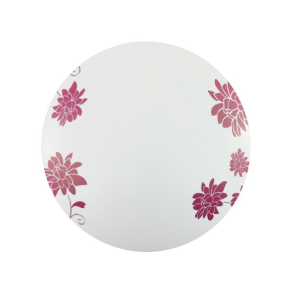
- Twist-lock covers have become standard in modern Singapore homes, featuring a glass or acrylic dome that rotates into a metal or plastic base. These flush mount fixtures dominate contemporary living rooms and bedrooms, offering a sleek profile ideal for low ceilings.
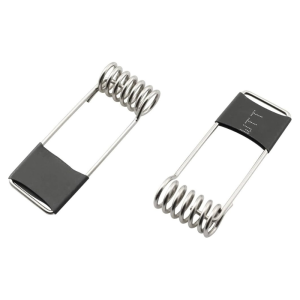
- Clip-on covers use spring-loaded metal clips to secure the shade to the base, commonly found in downlights and recessed lighting fixtures. These are particularly popular in newer condominium developments and renovated spaces.
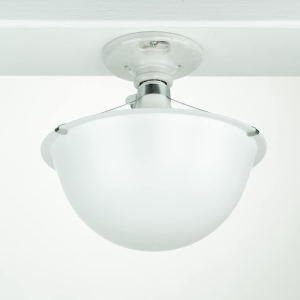
- Semi-flush covers with multiple small screws are often seen in decorative lighting fixtures in landed properties and luxury condos, requiring more careful handling due to their weight and fragile materials.
Essential Safety Precautions Before Removal
Before attempting to remove any light cover in your Singapore home, always prioritize electrical safety. Begin by switching off the power at the circuit breaker – don’t rely solely on the wall switch. In older HDB flats where circuit labeling might be unclear, use a non-contact voltage tester to confirm the wires are de-energized.
Prepare a stable stepping platform; avoid balancing on chairs or unstable objects. Have a helper support the cover during removal, especially for heavier glass domes. Keep cleaning supplies ready if removing for maintenance, as Singapore’s humidity often leads to dust accumulation and insect nests inside fixtures.
Step-by-Step Removal Techniques by Cover Type
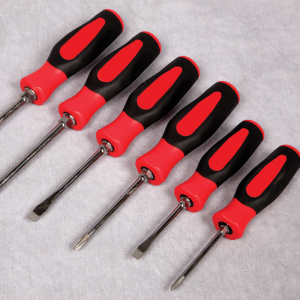
For screw-on covers, locate the decorative nut or screws at the base. These typically require counter-clockwise rotation. Support the cover with one hand while loosening the fastener to prevent sudden drops. Older fixtures may have stiffened from years of Singapore’s humid climate, so sometimes, applying penetrating oil can help loosen stubborn parts without excessive force.
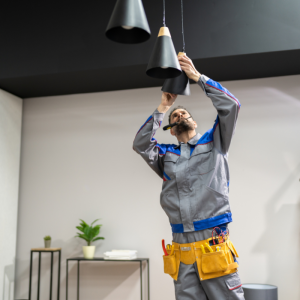
Twist-lock covers demand gentle counter-clockwise rotation of the entire dome. Place both hands on opposite sides and turn slowly until you feel the mechanism release. Stuck covers often benefit from rubber glove traction. Never force a twist-lock cover; if resistant, check for hidden clips or screws you might have missed.
Clip-on varieties require careful pressure on the spring clips. Insert fingers between the cover and ceiling to locate the clips, then squeeze and lower gently. These can snap back unexpectedly, so maintain control throughout the process. For recessed downlights common in Singaporean false ceilings, the entire trim might come down with the cover.
Troubleshooting Common Singapore-Specific Issues
Singapore’s tropical climate creates unique challenges when removing light covers. Stuck covers from years of paint buildup are common in older flats. Carefully score around the edge with a utility knife before attempting removal. Humidity-fused plastic covers may require gentle heating with a hairdryer to break the seal.
Insect infestations inside fixtures are another frequent issue. If you encounter wasp nests or cockroaches, consider professional pest control before proceeding. For covers with accumulated grime, prepare a cleaning solution of vinegar and water to cut through the stubborn dirt.
When To Call a Professional Electrician
While many light cover removals are DIY-friendly, certain situations warrant professional help. If you encounter aluminum wiring (common in pre-1990s Singapore homes), exposed wires, or signs of electrical damage, stop immediately and contact a licensed electrician. Similarly, heavy crystal fixtures or complex chandeliers in high-ceiling landed properties often require specialist handling.
For elderly residents or those uncomfortable working at height, Singapore’s handyman services like FixFirst offer safe cover removal and cleaning services. This is particularly advisable for hard-to-reach fixtures in stairwells or above staircases where falls are more likely.
Maintenance Tips After Removal
Once removed, take the opportunity to thoroughly clean both the cover and fixture interior. In Singapore’s dusty environment, a quarterly cleaning schedule helps maintain optimal light output. Check for cracked covers that might allow moisture ingress, a common cause of premature LED driver failure in humid climates.
When reinstalling, ensure all seals are properly seated to prevent insect entry. Consider upgrading older incandescent fixtures to LED during this maintenance, an especially worthwhile investment given Singapore’s high electricity costs.
Conclusion
Knowing how to remove light cover from ceiling properly is an essential skill for Singapore homeowners, enabling safe bulb changes, thorough cleaning, and fixture upgrades. While the process varies by cover type, the universal priorities remain electrical safety and careful handling to prevent damage.

Frequently Asked Questions (FAQs) on Removing Ceiling Light Covers
Removing a fluorescent light fixture cover typically involves gently pushing up on one side and sliding it out of its retaining clips. Some covers may require slight pressure to release them from the frame. Always ensure the power is turned off before attempting removal.
Most fluorescent light covers can be removed by carefully pushing or sliding them sideways or downward. Look for small tabs or clips holding the cover in place and release them gently to avoid breakage.
A fluorescent light diffuser is usually held by tension clips or a sliding mechanism. Press the diffuser upward or sideways to release it from the frame. If it’s a prismatic panel, it may simply drop down when pushed in the right direction.
To reinstall the cover, align it properly with the fixture frame and gently push or slide it back into place. Ensure all clips or tabs are securely fastened to prevent the cover from falling.
If you want to conceal fluorescent lights for aesthetic reasons, consider using decorative panels, fabric covers, or light diffusers that soften the glare. Ensure any covering material is heat-resistant and doesn’t obstruct ventilation.
For complex fixtures, safety concerns, or if you encounter any electrical irregularities during the process, don’t hesitate to contact professional ceiling light installation services. FixFirst’s team of electricians serves all of Singapore, ensuring your lighting maintenance is performed safely and to the highest standards. Remember, when dealing with ceiling fixtures in your home, it’s always better to prioritize safety over convenience.