In almost every Singaporean home, a silent, unseen guardian works tirelessly to protect you from electric shocks. We rarely think about it, but this copper safety net, the electrical earth wire, stands between you and potential danger every time you plug in a device. Understanding this component is not just for electricians; it is essential knowledge for every homeowner and tenant. This guide explains exactly what this wire does, why Singapore’s regulations make it non-negotiable, and how you can identify if your home’s electrical system has this critical safety feature.

What Exactly is the Electrical Earth Wire?
At its core, the electrical earth wire, also known as the grounding wire, provides a safe pathway for electricity to travel to the ground in case of a fault. Think of it as a dedicated emergency exit for stray electricity.
In a standard three-pin plug, which we use everywhere in Singapore, the top pin connects to this wire. This wire runs through your home’s internal wiring and connects to a grounding system. In most Housing & Development Board (HDB) flats and newer private properties, this system ultimately links to a common earthing terminal, which connects to the physical earth. Without this path, if a fault occurs—like a live wire touching a metal appliance casing—that casing becomes live. The first person to touch it completes the circuit, resulting in a dangerous electric shock. The electrical earth wire prevents this by offering the electricity an immediate, low-resistance path to the ground.
Protection Against Electric Shock
The main job of the electrical earth wire is to protect life and property. It works in perfect tandem with your home’s safety devices, primarily the circuit breakers in your distribution board.
Here is the step-by-step process of how this protection works:
- Fault Occurs: A live wire inside your washing machine, for example, comes loose and touches the metal body.
- Wire Intervenes: The electrical earth wire, connected to that metal body, provides a direct path for the fault current.
- Breaker Trips: This sudden surge of current travelling to earth is detected by the circuit breaker (or Residual Current Circuit Breaker). It instantly trips, cutting off the power supply.
- Danger Averted: The entire event happens in a fraction of a second. You might hear the breaker trip, but you receive no shock.
Singapore’s high-density living and reliance on many electrical appliances make this protection system crucial. It is the reason electrical codes mandate that all new wiring installations include a proper earthing system.
How To Identify the Electrical Earth Wire in Your Home
Identifying the electrical earth wire is straightforward if you know what to look for. However, always exercise extreme caution and never touch bare wires in a live circuit.
Here are the key identifiers:
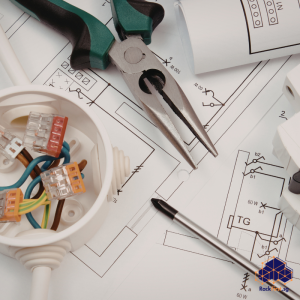
- By Colour: In modern Singaporean electrical installations, wiring follows a standard colour code. The electrical earth wire is always green and yellow (striped). The live wire is brown (or red in very old wiring), and the neutral wire is blue (or black in old wiring).
- In a Plug: Look at a standard 3-pin plug. The top pin (the largest and vertical one) connects to the electrical earth wire. If you open a plug (ensure it is unplugged first!), you will see the green-and-yellow wire connected to this terminal.
- At the Distribution Box: Inside your electrical box (DB box), you will find a dedicated earthing bar. It is a metal strip with many green-and-yellow wires connected to it. This is the central hub for your home’s earthing system.
If your home’s wiring is older, it may not have a functional earth wire. In such cases, it is vital to have a licensed electrical worker assess the system.
Singapore's Regulatory Context
The importance of the electrical earth wire is enshrined in the Electricity Act and the regulations managed by the Energy Market Authority (EMA). All electrical work in Singapore must comply with the Singapore Standard CP5 (Code of Practice for Electrical Installations).
For homeowners, the most direct interaction with these regulations occurs during renovation or when installing major appliances like air conditioners or water heaters. A Licensed Electrical Worker (LEW) must certify any new wiring work. This certification confirms that the installation, including the electrical earth wire and earthing system, is safe and compliant. Hiring a professional from a service like FixFirst ensures this critical step is handled correctly.
Practical Advice for Homeowners
So, what does this mean for you day-to-day? Here is practical advice regarding your home’s electrical earth wire:
- Never Cut the Earth Pin: Never use an adapter or “cheater plug” to fit a three-pin plug into a two-pin socket. This disconnects the earth and eliminates the safety protection. If your sockets are old, replace them.
- Check Your Sockets: In a properly earthed socket, the three holes should all have brass contacts inside. You can use a simple socket tester (available at hardware stores) to quickly verify if your socket is correctly wired and earthed.
- Beware of Tingling Sensations: If you feel a slight tingle or mild shock when touching a metal appliance like a refrigerator or washing machine, it could indicate a fault and that the electrical earth wire is not doing its job. Stop using the appliance and call an electrician immediately.
Your home’s electrical system is complex, but its safety principles are simple. The electrical earth wire provides a critical last line of defence. Knowing it exists, understanding its purpose, and ensuring it functions correctly gives you peace of mind in your daily life.
If you are unsure about the state of your home’s wiring, if an appliance feels ‘live,’ or if you are planning any electrical work, do not take chances. A professional assessment ensures your family stays safe. Contact FixFirst today for a thorough check by our skilled technicians. We fix first and talk later, ensuring your home’s electrical system is secure.