Transforming your Singapore home with a living work of art requires both vision and technical precision. A wall mounted aquarium Singapore enthusiasts admire represents more than just home deco. It embodies a harmonious blend of nature, design, and engineering. These stunning aquatic displays turn empty walls into captivating focal points while maximizing precious floor space in HDB flats. This comprehensive guide explores every aspect of selecting, installing, and maintaining these extraordinary installations, providing homeowners with the knowledge to create their own underwater masterpiece safely and successfully.

The Allure of Wall-Mounted Aquariums in Urban Spaces
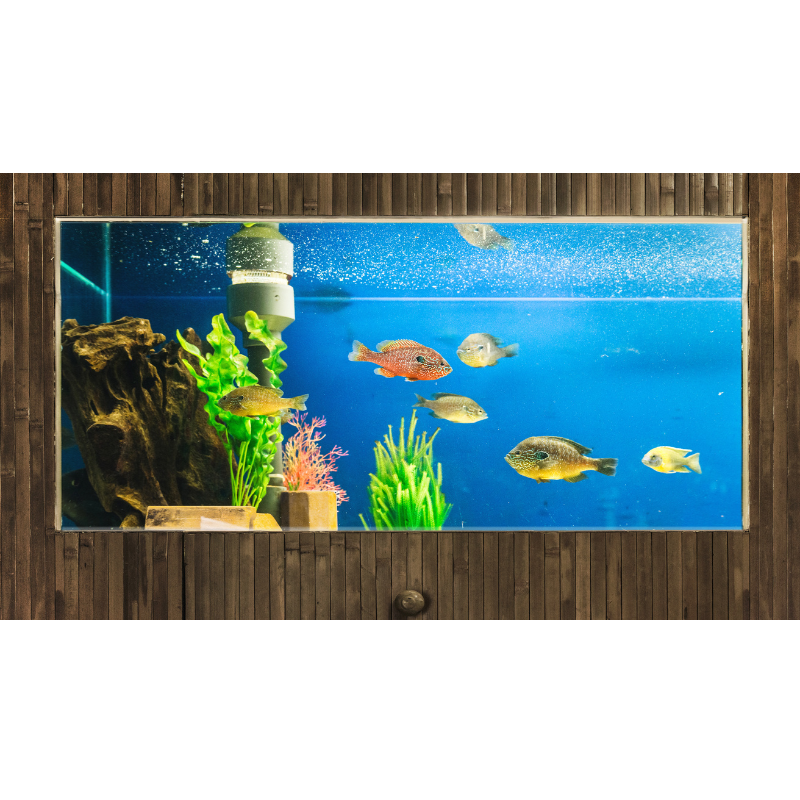
Wall-mounted aquariums present an ingenious solution for nature enthusiasts living in space-constrained environments. Unlike traditional aquarium setups that demand valuable floor area, these vertical ecosystems rise above spatial limitations, transforming blank walls into dynamic aquatic galleries. The visual impact of a properly installed wall mounted aquarium tank transcends ordinary home decor, creating a mesmerizing living artwork that stimulates both visual and auditory senses with its gentle water movements.
The psychological benefits extend beyond aesthetic appreciation. Studies indicate that observing aquatic life reduces stress and improves mental wellbeing, making these installations particularly valuable in fast-paced urban environments. Modern manufacturing advances have made fish tank wall mounted aquariums more accessible than ever, with designs ranging from minimalist nano tanks to expansive panoramic installations that serve as room dividers. The key lies in understanding the technical requirements and installation complexities that differentiate successful installations from potential disasters.
Types of Wall-Mounted Aquariums Available in Singapore
Singapore’s aquarium market offers diverse options catering to different aesthetic preferences and technical capabilities. Frameless glass designs dominate the premium segment, presenting crystal-clear visibility without obstructive metal frames. These sophisticated installations often incorporate low-iron glass that eliminates the greenish tint of standard glass, providing truer color representation of both aquatic life and decor.
Not all wall aquariums are created equal. Understanding the different types is important for making an informed decision that suits your space, skill level, and aesthetic desires.
Frameless Glass Cubes and Rectangles
These are the quintessential modern wall aquariums. Built with low-iron, ultra-clear glass and often featuring minimalist silicone joints, they offer an unobstructed, crystal-clear view of the aquatic environment. They are typically custom-built to specific dimensions, allowing for a perfect fit on your chosen wall.
Acrylic Panel Tanks
Acrylic offers greater flexibility in shape compared to glass. Manufacturers can mold acrylic into more organic, curved forms or exceptionally wide but shallow panoramic displays. Acrylic is also lighter and more impact-resistant than glass, though it is more prone to scratching and requires specific cleaning materials to avoid clouding.
Integrated Furniture Units
This style blends the aquarium directly into a custom-made cabinet or wall unit. The tank itself is set into the structure, with the filtration system and electrical components neatly hidden within the furniture below or alongside it. This option provides a very clean, built-in look but requires more extensive planning and interior design work.
Pre-Fabricated Kits
Several brands offer complete fish tank wall mounted aquariums that come as a kit with integrated filtration and lighting. These are designed for easier setup and are often geared towards beginners or those looking for a more plug-and-play solution, though they may offer less customization.


Critical Pre-Installation Considerations
The dream of a wall-mounted aquarium hinges on one non-negotiable factor: structural integrity. Rushing this stage can lead to catastrophic failure.
Wall Analysis
You must identify what type of wall you are dealing with. Is it a reinforced concrete HDB structural wall, a brick wall, or a drywall partition? Only reinforced concrete or solid brick walls can safely support the significant weight of a water-filled aquarium. A full tank can easily weigh several hundred kilograms. Never attempt to mount an aquarium on a plasterboard or hollow partition wall.
HDB Renovation Guidelines
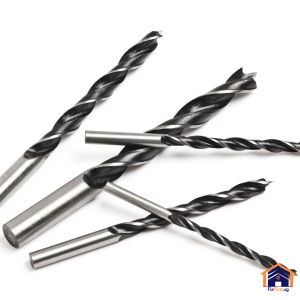
As an HDB resident, you are obligated to follow the official HDB guidelines. Drilling into structural walls is generally permitted for essential fixtures, but it must be done responsibly. This means no cutting of rebar and adhering to reasonable drill bit sizes. The process demands a professional who can locate studs and avoid electrical conduits and plumbing hidden within the wall. Drilling time must also be scheduled between 9am and 6pm.
The Perfect Position
Choosing the right spot involves more than just aesthetics. Avoid direct sunlight, which will cause rampant algae growth and temperature fluctuations. Position the tank away from high-traffic areas where it could be bumped. Ensure there is easy access to electrical outlets for the filter, heater, and lights. Most importantly, consider the view. Install it at a height where it can be enjoyed comfortably from a seated or standing position.
Understanding HDB Regulations for Glass Aquarium Installations
Adding a glass aquarium to your HDB flat can enrich your home environment, but adherence to HDB guidelines is essential to avoid penalties or mandatory removal. Here’s a detailed overview of the requirements and recommendations for keeping an aquarium in an HDB property.

Weight Limitations
To safeguard building integrity, HDB enforces strict weight constraints:
- Maximum Allowable Weight:
- Flats with 4 rooms or fewer: 250 kg per square meter (including tank, water, and supporting furniture).
- Flats with 5 rooms or more, including Executive units: 300 kg per square meter.
- Weight Considerations:
- A typical 4-foot (120 cm) tank filled with water can reach 250–300 kg.
- Tanks larger than 6 feet may surpass approved limits. Always consult HDB beforehand.
Size and Location Guidelines
- Non-Permanent Setup: Tanks must typically remain freestanding and not affixed to walls or floors. Before you proceed with your aquarium wall mount and especially if it’s heavy, check with the HDB first.
- Access and Safety: Ensure the tank does not impede movement or block emergency exits.
- Balcony Placement: Tanks must be sheltered to avoid water overflow. They must also be shielded from direct sun to reduce algae buildup and temperature fluctuations.
Preventing Leaks and Structural Damage
- Containment Measures: Place a waterproof base or tray beneath the tank to contain spills.
- Upkeep: Consistently inspect seals, tubing, and connections to avoid moisture-related issues.
- Modification Rules: Altering HDB floors for drainage or plumbing is prohibited.
Noise Control
- Equipment Selection: Choose filters and pumps that operate quietly to prevent disturbing neighbors.
- Vibration Reduction: Larger setups may need padding or mats to dampen sound and tremors.
Is HDB Approval Necessary?
- Small Tanks (under 190 liters): Generally permitted if weight guidelines are met.
- Large Tanks (190 liters or more): Prior consultation with HDB is advised to verify structural safety.
- Specialized Tanks: Marine or reef aquariums often include heavier components, so evaluate total weight with extra care.
Planning to install a large or wall-mounted aquarium in your HDB flat? FixFirst’s handymen can help with safe placement, waterproofing, and compliance checks.
Step-by-Step Professional Installation Process
Successful installation begins with comprehensive planning and measurement. Professionals first identify wall studs using electronic stud finders, then mark precise mounting points that align with the aquarium’s mounting bracket. For concrete walls, core drilling creates clean openings for mounting hardware, while special anchors distribute weight across broader wall areas. The installation team then assembles the mounting framework, frequently using a level to ensure perfect alignment, a critical step since even slight tilting creates uneven pressure distribution.
The actual mounting process involves securing heavy-duty brackets to wall studs using marine-grade stainless steel hardware that resists corrosion in humid environments. Installers frequently apply waterproof sealant between brackets and walls to prevent moisture penetration that could damage wall structures over time. Once the mounting system is secured, the team carefully lifts the aquarium into position, often using specialized suction-handle equipment that provides secure grip on glass surfaces.
Post-mounting procedures include plumbing connections for filtration systems, electrical connections for lighting and equipment, and comprehensive leak testing before introducing aquatic life. Professional installers typically conduct 24-48 hour stress tests with weighted empty tanks to identify any potential structural issues before the final setup. This meticulous approach prevents catastrophic failures that could damage property and harm aquatic life.
Selecting Your Ideal Wall-Mounted Aquarium
The selection process balances aesthetic preferences with practical considerations. Size determination begins with assessing available wall space, but must also consider depth—deeper aquariums provide more swimming space for fish but project further into the room. Maintenance accessibility should influence size decisions, as larger volumes require less frequent water changes but more equipment for filtration and heating.
Glass quality differentiates premium aquariums from standard offerings. Low-iron glass, often marketed as “crystal” or “extra-clear” glass, provides significantly better optical clarity than standard float glass. Thickness varies with aquarium size, with larger installations requiring thicker glass or additional support braces. Tempered glass, while stronger, cannot be drilled for plumbing, a critical consideration for custom filtration setups.
Filtration system selection depends on aquarium occupancy plans. Heavily stocked aquariums require more robust filtration, often incorporating sump systems concealed within walls or nearby cabinetry. Modern aquarium technology includes app-controlled systems that monitor water parameters and automate maintenance tasks, particularly valuable for busy professionals who want aquarium enjoyment without daily maintenance demands.
Lighting represents both functional and aesthetic consideration. The right wall mounted aquarium light enhances coral growth in reef tanks and brings out vibrant colors in tropical fish. Programmable LED systems now dominate the market, offering energy efficiency and customizable color spectrums that can simulate natural daylight transitions from dawn to dusk.

Frequently Asked Questions (FAQs) about Wall Mounted Aquarium Singapore
The load-bearing capacity varies, but a reinforced concrete wall can generally support a properly installed aquarium. The key is using the correct anchors and spreading the load across multiple anchor points. A professional assessment is mandatory.
It is strongly discouraged. The required precision, understanding of structural mechanics, and specialized tools make this a job for experienced professionals to ensure safety and prevent damage.
Glass thickness depends on the tank’s volume and dimensions. A 60cm tank might use 8-10mm glass, while a larger 120cm tank could require 12-15mm or thicker. Always follow the manufacturer’s specifications.
It is less about a fixed size and more about weight and placement. Even a relatively small tank (e.g., 60x40x20cm) can weigh over 100kg when full. Conservatively, many experts recommend keeping the total volume under 100 liters for safety and manageability.
Professional installers can run cables inside the wall conduit (following strict electrical safety rules) or use external, paintable cable raceways to create a neat and tidy appearance down to the power outlet.
Maintenance is frequent but manageable. Expect a 10-20% water change weekly, glass cleaning as needed, and filter media rinsing in tank water every 3-4 weeks.
No. The often-slim dimensions limit swimming space. Active or large fish like goldfish or angelfish are unsuitable. Focus on small, tranquil species that thrive in smaller, calmer environments.
This is a serious concern. Ensure your tank has a quality, leak-proof design. Position it where a minor leak would be contained, and consider a moisture sensor alarm for early detection. Having the right home insurance coverage is also prudent.
Costs vary based on tank size, wall type, and project complexity. It is a specialized service, so invest in quality workmanship for your safety. FixFirst installation rates are incredibly affordable. Just Whatsapp us for a quote.
A wall-mounted aquarium represents the balance of nature, art, and modern living, offering a breathtaking solution for space-conscious Singaporean homeowners. While the allure is undeniable, its successful integration into your home rests upon a foundation of meticulous planning, quality equipment, and most critically, expert installation. It is an investment in beauty that demands a corresponding investment in safety and precision. By choosing the right tank and entrusting its mounting to certified professionals, you transform a potential hazard into a secure and enduring source of wonder.
Ready to transform your wall with confidence? Contact FixFirst today for a professional mounting and installation consultation service. Let our experts safely bring your aquatic vision to life.