For collectors, martial artists, and history enthusiasts in Singapore, displaying a sword represents a deep appreciation for craftsmanship, heritage, and art. However, in the compact living spaces of HDB flats and condominiums, storing these significant items requires thoughtful solutions that prioritize safety, security, and aesthetics. A well-chosen sword rack wall mount transforms a prized collection from a hidden-away treasure into a stunning focal point, all while ensuring the blades remain securely out of reach and properly maintained. This guide navigates the intricacies of selecting, positioning, and installing the perfect display system for your blades within the unique context of Singaporean homes.

The Purpose and Importance of a Dedicated Sword Display
A dedicated display system serves far more than a decorative function; it is an essential aspect of responsible ownership. Properly mounting a sword protects the blade from accidental damage that can occur from improper storage in closets or under beds. It prevents the blade from contacting surfaces that could promote moisture buildup, a critical consideration in Singapore’s humid climate which can lead to rust and corrosion. Furthermore, a secure sword holder wall mount acts as a vital safety measure, positioning sharp edges high above the ground and away from curious hands, an especially important feature in households with children or pets. Ultimately, a display honors the object itself, turning it into a conversation piece and a reflection of personal interest that elevates your home’s interior design.
Selecting the Right Mount: A Connoisseur's Guide
Choosing the appropriate mount demands careful attention to the sword’s specific characteristics and the desired visual impact. The primary factor is weight. A heavy European longsword requires a fundamentally different support system than a lighter fencing foil. The material of the mount must inspire confidence; solid hardwoods like oak or walnut offer classic beauty and strength for a wood sword wall mount, while forged steel or high-density polymers provide a modern, industrial look with exceptional durability.
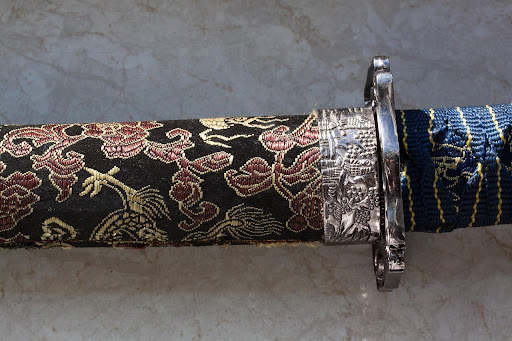
The design of the cradle is equally important. It should hold the sword securely without applying undue pressure or scratching the finish. Look for mounts lined with felt, leather, or soft plastics to cushion the blade and saya (scabbard). For a single katana, a traditional katana sword wall mount often features two individual stands that support the scabbard at two points. For a more dramatic presentation, a crossed sword wall mount arrangement creates a striking heraldic display, though it requires more wall space and precise installation. The decision between a horizontal sword wall mount and a vertical one depends on available wall space and personal preference; horizontal displays often make a stronger visual statement, while vertical mounts can fit into narrower spaces.
Understanding Sword Wall Mount Types and Their Applications
The market caters to a diverse array of weapons and aesthetic tastes, offering mounts designed for specific functions and styles.
🗡️ Individual Mounts: These are single units designed to hold one sword, either by its scabbard or directly by the blade (with protective lining). They offer maximum flexibility in arrangement and are ideal for collectors who wish to space out their pieces or highlight a single, exceptional weapon. A samurai sword wall mount typically falls into this category, often crafted from wood to complement the traditional aesthetic of the katana.
🗡️ Multi-Sword Racks: These function as a unified sword rack wall mount, capable of displaying two or more blades parallel to each other. They are space-efficient and perfect for presenting a matching set or a collection of similar swords, such as a series of fencing foils or a collection of tactical blades.
🗡️ Specialized Mounts: This category includes designs for specific purposes. The crossed sword wall mount is a classic for displaying two swords in an X-shaped pattern. For training purposes or displaying practice weapons, a wooden sword wall mount made from simpler materials may be sufficient. Similarly, a fencing sword wall mount might feature clips rather than cradles to accommodate the unique shape of a foil, épée, or sabre.
| Mount Type | Ideal Use Case | Pros | Cons |
|---|---|---|---|
| Individual Mount | Highlighting a single prized sword, flexible arrangement. | Customizable layout, suits any sword type, strong visual focus. | Requires multiple installations for a collection. |
| Multi-Sword Rack | Displaying matching sets or collections of similar swords. | Space-efficient, cohesive look, single installation point. | Less flexible; all swords must fit the rack’s design. |
| Crossed Sword Mount | Creating a dramatic, heraldic display with two swords. | High visual impact, classic aesthetic. | Requires significant wall space, complex installation for proper alignment. |
| Horizontal Mount | Making a bold statement where wall width allows. | Excellent for viewing details, dramatic presentation. | Requires strong anchoring due to leverage, needs wide wall space. |
The Installation Process
Installing a sword display wall mount is a task that demands precision and respect for the weight and value of the item it will hold. A methodical approach is non-negotiable for ensuring a safe and secure display.
| Step | Details |
|---|---|
| Step 1: Determine the Ideal Position | Choose a location that provides ample space for the sword’s length, away from high-traffic areas to avoid accidental bumps. Consider the viewing angle and lighting. Ensure the location does not require drilling into HDB bomb shelter walls, which is prohibited. |
| Step 2: Locate Wall Studs and Check for Hazards | Use a stud finder to identify the solid wooden frames behind your drywall. Mounting directly into a stud provides the strongest anchor. Use a cable and pipe detector to scan the area and avoid concealed electrical wiring or plumbing. |
| Step 3: Mark and Prepare the Mounting Points | Hold the mount level against the wall at the desired height. Use a spirit level to ensure it is perfectly straight. Mark the drilling points through the holes in the mount’s bracket. For a wood sword wall mount, pre-drilling pilot holes into the wood itself can prevent splitting. |
| Step 4: Drill Pilot Holes into the Wall | Select a drill bit slightly smaller than the diameter of your wall anchors or screws. Drill straight into the wall at the marked points to the required depth. For concrete walls, use a masonry bit and drill slowly. |
| Step 5: Install Wall Anchors | If you are not drilling directly into a stud, insert heavy-duty wall anchors into the pilot holes. For the considerable weight and leverage of a sword, especially a longsword wall mount, toggle bolts or sleeve anchors for concrete are the most reliable choices. |
| Step 6: Secure the Mount to the Wall | Align the mount’s bracket with the holes. Drive the supplied or upgraded high-tensile screws through the bracket and into the stud or wall anchor. Tighten them firmly until the mount is completely immovable. |
| Step 7: Final Check and Placement | Apply gentle downward and outward pressure on the mount to test its stability. Only once you are certain it is secure should you carefully place your sword into its new display position. |
Need a secure, damage-free sword display installation in your HDB flat? FixFirst’s certified handymen use professional tools and HDB-compliant techniques to ensure your mount is rock-solid
Navigating HDB Regulations and Installation Complexities
Adhering to HDB guidelines is a critical first step. The HDB renovation guidelines strictly forbid drilling into, or making alterations to, the structural bomb shelter wall. This immediately limits viable placement options within the home. The second major challenge involves the wall composition itself. Many HDB walls are made of reinforced concrete, which requires specific drill bits and anchors. Older walls might have irregular stud placements, while newer ones may use thinner drywall partitions that cannot support significant weight without proper anchoring.
The single greatest risk of a DIY sword wall mount project is underestimating the load. A sword exerts not just downward force but also leverage force away from the wall. Standard plastic plugs will inevitably fail under this stress. Furthermore, drilling into concealed electrical conduits or water pipes can lead to severe damage and safety hazards. The consequences of a failed mount extend beyond a damaged wall; a falling sword poses a serious danger to people and property, and could irreparably harm a valuable collectible.
Why Choose a FixFirst Handyman To Install Your Sword Wall Mount
Entrusting this task to a professional FixFirst handyman eliminates the risks and guarantees a display that is both safe and spectacular. Our expertise provides tangible benefits that DIY cannot match.
✔️ Adherence to HDB Compliance: Our technicians are well-versed in HDB regulations. We will identify safe, permissible walls for installation, ensuring your project does not violate any housing rules or compromise your home’s integrity.
✔️ Expert Assessment and Material Selection: We evaluate your wall type—be it concrete, drywall, or brick—and select the absolute best anchoring system for the job. We use industrial-grade anchors and screws capable of handling the unique leverage and weight of your display.
✔️ Precision and Safety Assurance: We use advanced stud finders and multi-function detectors to map out exactly what lies behind your wall, eliminating the risk of striking electrical wires or pipes. Our installation ensures your mount is perfectly level and rock-solid.
✔️ Preservation of Your Collection: We understand the value of your items. Our careful, knowledgeable approach ensures your swords are displayed securely, protecting your investment from accidental damage caused by a fall.
✔️ Time and Hassle Elimination: We come equipped with all the necessary professional tools and hardware. You avoid the time, cost, and frustration of purchasing equipment, researching techniques, and potentially making irreversible mistakes.

Frequently Asked Questions (FAQs) - Sword Rack Wall Mount Singapore
For concrete walls, wedge anchors or sleeve anchors provide the strongest hold. For drywall where you cannot hit a stud, heavy-duty toggle bolts are the most reliable option as they spread the weight across a large area behind the wall.
It is possible, but you must use anchors specifically designed for drywall, like toggle bolts, that can handle the weight and leverage. It is always safer to consult a professional to assess the wall’s capacity.
For both safety and optimal viewing, the center of the display should be at eye level, typically around 150-170cm from the floor. Ensure the tip of the sword is high enough to be out of reach, especially from children.
The display of antique, ceremonial, or collectible swords is generally acceptable. However, Singapore has strict laws regarding weapons. It is imperative to ensure your item is clearly a collectible and not classified as a controlled weapon.
In Singapore’s humidity, regular light oiling of the blade (even while in its scabbard) is essential to prevent rust. Keep the display area dry and avoid direct sunlight, which can damage the blade and any organic materials like wood or leather.
Yes, we can install multi-sword racks or a series of individual mounts configured to display an entire collection securely and elegantly.
We can install on tiled walls using a diamond-tipped drill bit to penetrate the tile without cracking it, followed by a masonry bit for the wall behind. This requires specialized skill to avoid damaging the tiles.
The cost depends on the wall type and the number of mounts. Please contact us for a transparent and straightforward quotation based on your specific needs.
No, our team will handle everything from locating studs to drilling and clean-up. You simply need to be present to confirm the desired placement.
Absolutely. Our technicians can precisely measure and level complex arrangements like a crossed sword wall mount to ensure a symmetrical and visually perfect display.
The primary difference is in the security of the cradle. For a sharp, functional blade, the mount must have a deep, secure cradle, often with a strap or retaining clip for added safety. Decorative mounts may prioritize aesthetics over security.
Dust it regularly with a soft, dry cloth. Avoid using water or chemical cleaners, as they can damage the wood’s finish. Occasionally, you can use a very slightly damp cloth followed immediately by a dry one.
Yes, with custom brackets or careful planning, we can install displays on non-standard wall surfaces. This requires an on-site assessment to determine the best method.
Use low-heat, LED spotlights or picture lights directed onto the display. Avoid placing lights too close, as heat can damage the sword and its fittings over time.
A single mount typically takes less than an hour. More complex arrangements or difficult wall materials may take longer.
Displaying a sword collection is a profound way to honor its craft and history. However, the responsibility of securing it safely in your Singapore home cannot be taken lightly. A failed DIY sword wall mount risks damage, injury, and violating HDB codes. Professional installation is a necessary step for ensuring the safety of your household and the preservation of your valued collection. Contact FixFirst today and let our experts provide you with peace of mind, transforming your vision into a secure and stunning reality that you can admire for years to come.