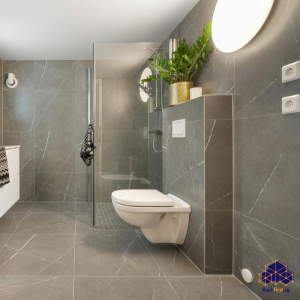
Space represents a precious commodity in Singaporean homes. As HDB flats and condominiums embrace more compact living, homeowners constantly seek intelligent solutions to declutter their floors. The laundry area, often a service yard or a cramped bathroom corner, presents a prime opportunity for vertical organization. Enter the wall mounted dryer, an appliance that lifts your laundry routine literally to new heights. This comprehensive guide navigates the entire journey of adopting a wall mounted dryer, from selecting the perfect model to ensuring a secure and compliant installation within your Singapore home.

Why Consider a Wall-Mounted Dryer
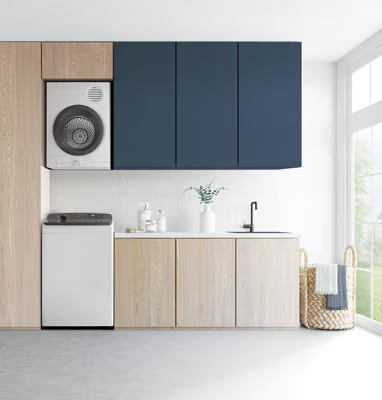
The primary appeal of a wall mounted dryer machine lies in its profound space-saving nature. By freeing up the floor, it transforms a cluttered service yard into a more functional area, allowing room for storage, cleaning equipment, or simply easier movement. This vertical approach also enhances safety by reducing tripping hazards and can improve airflow around the appliance. For households with limited mobility, raising the dryer to a more accessible height makes loading and unloading less strenuous. The decision to install a wall mounted clothes dryer machine is a strategic move toward a more organized, efficient, and safer home environment.
Navigating Your Purchase: Key Selection Criteria for Wall-Mounted Dryers
Choosing the right model requires careful consideration of several technical and practical factors. First, assess the dryer’s capacity, which typically ranges from 4kg to 8kg for wall-mounted units. Match this capacity to your household’s laundry volume; a smaller capacity suits singles or couples, while families will need a larger one. Drying technology is another critical differentiator. Heat pump dryers, though representing a higher initial investment, are far more energy-efficient and gentle on fabrics, making them ideal for the long-term and eco-conscious user. Condenser dryers are another common type, offering good performance without the need for external venting.
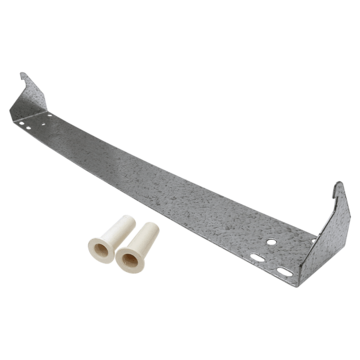
You must also investigate the specific installation requirements. Many models demand a dedicated mounting kit. For instance, an Electrolux dryer wall mount kit or a Fisher and Paykel dryer wall mounting kit is engineered specifically for their respective dryer models, ensuring a perfect fit and secure hold. Attempting to use generic brackets can lead to instability and safety risks. Furthermore, verify the unit’s electrical needs; most powerful dryers require a 13-amp or even a 20-amp power point, which may necessitate installing a new dedicated socket.
A Guide to Types and Their Ideal Applications
Wall-mounted dryers are not a one-size-fits-all category. Different designs cater to varying spaces, laundry habits, and budgetary considerations.
Vented Dryers: These are the most basic and often the most affordable type. They work by expelling hot, moist air directly outside through a flexible hose. This requires a dryer vent wall mount or a nearby window or hole in the wall, which can complicate the wall mount dryer installation process, especially in enclosed HDB service yards.
Condenser Dryers: Condenser models offer greater flexibility as they do not need an external vent. They remove moisture from the air and collect it in an internal tank that you empty after each cycle, or they can be connected to a drain. This self-containment makes them a highly adaptable choice for most Singaporean homes where creating a new vent is impractical.
Heat Pump Dryers: As the premium option, heat pump dryers recycle the hot air they use, consuming significantly less energy than condenser or vented models. Their superior efficiency translates to lower electricity bills and a cooler ambient temperature in the laundry area, a welcome benefit in our tropical climate.
The table below summarizes these types for a clear comparison:
| Dryer Type | Best For / Use Case | Key Characteristics |
|---|---|---|
| Vented | Homes with easy access to an external wall for a dryer vent wall mount. Budget-conscious buyers. | Simple technology, lower purchase price, requires external ventilation. Must be installed near a window or wall where a vent hose can be routed outside. |
| Condenser | Most HDB flats and condos. Households needing installation flexibility without external venting. | No external vent needed, collects water in a removable tank, versatile placement options. Ideal for units without direct outdoor access. |
| Heat Pump | Energy-conscious households. Those drying delicate fabrics. Long-term cost savings. | Highest energy efficiency, gentler on clothes, cooler operation, higher initial cost. Recycles hot air and uses less electricity—best for eco-friendly homes. |
Positioning and HDB Compliance: Planning Your Installation
Strategic placement of your wall mounted dryer is important for both performance and safety. The chosen wall must be a structural, load-bearing wall, typically made of reinforced brick or concrete. HDB guidelines strictly prohibit drilling into structural beams, columns, or shear walls, as this can compromise the building’s integrity. So, a professional assessment is crucial to identify a safe mounting location.
The area must also have sufficient ventilation, especially for condenser dryers, to prevent heat buildup. Ample space around the dryer ensures proper airflow and allows the door to open fully. Proximity to a power source and, for some models, a water drain, will also influence the ideal position. Furthermore, consider the user’s height; the dryer should be mounted at a level that allows for comfortable loading and unloading without excessive reaching or bending. A common query that arises during planning is whether a wall mounted dryer upside down installation is possible. This is generally not recommended or supported by manufacturers, as it can disrupt the machine’s internal mechanics, drum balance, and heat distribution, leading to malfunctions or safety hazards.
The Professional Installation: A Step-by-Step Process
A proper wall mount dryer installation is a technical task that demands precision and the right tools. Here is the process our FixFirst handymen follow to ensure a secure and lasting result.
| Step | Details |
|---|---|
| Step 1: Site Inspection and Wall Assessment | The expert first identifies a suitable load-bearing wall, checking for obstructions like hidden pipes or electrical conduits using a stud and cable detector. They confirm the location meets HDB drilling regulations and allows for proper ventilation and door clearance. |
| Step 2: Mounting Bracket Assembly and Positioning | The specific manufacturer’s wall kit, such as the Fisher & Paykel AD39 dryer wall mount kit, is unpacked and assembled according to instructions. The bracket is held against the wall, and its position is meticulously marked with a level to ensure perfect alignment. |
| Step 3: HDB-Compliant Drilling and Fixing | Using a powerful drill and masonry bits, the handyman creates pilot holes at the marked spots. High-strength wall anchors are inserted, and the mounting bracket is securely fastened to the wall with the provided heavy-duty screws. |
| Step 4: Dryer Mounting and Final Checks | With the bracket firmly in place, the wall-mounted dryer is carefully lifted and hooked onto the bracket. The installer double-checks that all locking mechanisms are engaged and the unit sits solidly without any wobble. |
| Step 5: Utility Connections | The handyman connects the dryer to the power supply, ensuring the socket is dedicated and properly grounded. For condenser dryers, they may set up the drain hose connection if a permanent drain is preferred over the water tank. |
Need help installing a wall-mounted dryer in your HDB flat? FixFirst’s certified handymen use professional tools and HDB-compliant techniques to ensure secure, level, and safe installations — from mounting brackets to electrical and drainage connections. We make laundry upgrades simple and stress-free.
Why Choose a FixFirst Handyman To Install Your Wall-Mounted Dryer
Installing a heavy, vibrating appliance on your wall carries significant risk. A DIY approach can lead to damage, injury, or HDB non-compliance. Trusting a FixFirst professional provides a foundation of safety and quality.
✔️Guaranteed Structural Integrity: Our handymen identify true load-bearing walls and use heavy-duty anchors designed to support the dynamic weight and vibration of a running dryer, preventing accidents.
✔️Strict Adherence to HDB Guidelines: We ensure all drilling avoids structural elements and complies with HDB renovation rules, protecting your flat’s integrity and your wallet from potential fines.
✔️Expert Handling of Complex Kits: We have experience with specific mounting systems like the Electrolux dryer wall mount kit and the Fisher and Paykel ad39 dryer wall mount, ensuring the unit is installed exactly as the manufacturer intended.
✔️Integrated Service Expertise: As FixFirst offers electrical and plumbing services, we can handle related tasks like installing a new dedicated power point or setting up a drain hose connection, providing a complete, hassle-free solution.
✔️Risk Mitigation: We possess the right tools and expertise to avoid damaging hidden electrical wires or water pipes, a common and costly pitfall of DIY drilling.

Frequently Asked Questions (FAQs) about Wall-Mounted Dryers in Singapore Homes
No. The wall must be a load-bearing concrete or brick wall. Drywall, plaster, or partition walls cannot support the significant weight and vibration.
Yes, absolutely. You must use the manufacturer’s specified kit, such as an Electrolux dryer wall mount kit or a Fisher and Paykel dryer wall mounting kit. These are engineered for your specific model’s weight and dimensions.
The base of the dryer should be mounted at a height that allows the user to comfortably load and unload the drum without straining their back, typically between 90cm to 110cm from the floor.
Manufacturers strongly advise against a wall mounted dryer upside down configuration. It can cause mechanical failure, imbalance, and void the warranty.
A vented dryer requires a dryer vent wall mount, which involves drilling a hole through the external wall to pass the exhaust hose. This requires careful planning and HDB compliance.
Not necessarily. Many wall-mounted models, especially from brands like Fisher & Paykel, offer similar capacity and drying performance to their floor-standing counterparts, just in a space-saving format.
Regularly clean the lint filter after every cycle. For condenser and heat pump models, periodically clean the condenser unit to maintain efficiency. Also, inspect the mounting bracket annually for any signs of loosening.
No. Freestanding dryers lack the reinforced internal structure and specific mounting points required for safe wall mounting. Only dryers sold as wall-mounted models are designed for this purpose.
A standard installation for a single wall mounted clothes dryer machine typically takes between 90 minutes to 2 hours, depending on the complexity of the wall and any additional electrical work.
Excessive vibration usually indicates an improper installation, such as the bracket not being fully secured to the wall or the dryer not correctly locked onto the bracket. A professional should re-inspect the installation immediately.
A wall mounted dryer represents a smart investment in the functionality and organization of your Singapore home. It conquers clutter and elevates your laundry routine. However, the benefits hinge entirely on a secure and correct installation that respects your home’s structure and HDB’s regulations. Do not leave the safety and performance of your new appliance to chance. Contact FixFirst now to schedule your professional wall mount dryer installation. Our skilled handymen will ensure your dryer is mounted securely, connected safely, and ready to deliver years of reliable, space-saving service.