IKEA wall mounted lights cover everything from plug-in reading sconces and battery-powered picture lamps to hardwired vanity fixtures. Singapore homeowners pick them because they solve a common HDB pain point: tight floor space. A bracket the size of a small plate holds a light exactly where you need it, beside a bed, above a bathroom mirror, or along a dark corridor. Prices stay low, and the clean Scandinavian look blends easily with most renovation themes.
Most of these lights arrive with a European two-pin plug or bare wires for direct connection. The plug-in models work straight out of the box once you fit a local adapter or change the plug head. Hardwired models need a junction box tapped into your lighting circuit, a job that falls squarely under the Electrical Workers’ Licence framework in Singapore. Battery-operated units, especially the stick-on puck lights, bypass all wiring concerns and simply press onto a clean, flat surface.

Mounting IKEA Wall Mounted Lights on Different Wall Surfaces
IKEA includes plastic wall plugs and screws rated for gypsum board or lightweight concrete blocks. An HDB structural wall demands more. The dense concrete in most flats quickly strips the soft plastic plugs IKEA ships. Swap them for nylon plugs with a higher load rating and use screws at least 35 mm long. Drill with a hammer drill and a 6 mm masonry bit, blow out the dust, and tap the plug flush. A loose anchor here means a light that droops or falls, sometimes while switched on.
Partition walls made of drywall or hollow gypsum board need different treatment. The standard plug cannot grip thin board. Use toggling anchors or butterfly plugs that expand behind the panel. For a lightweight reading lamp under 1 kg, a pair of self-drilling drywall anchors with a metal thread will hold securely. If the light arm extends far from the wall, the leverage increases the pull-out force, so err on the side of a heavier-duty anchor.
Wiring Requirements and Safety Rules in Singapore
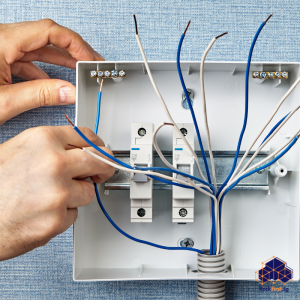
A hardwired IKEA wall mounted light connects to your main electrical circuit. The cable coming out of the wall must terminate inside a suitable junction box or a mounting bracket that covers the connections. Taping wires and stuffing them behind the fixture violates the CP5 code of practice and risks shock or fire. If an existing junction box does not sit exactly where you want the light, a licensed electrician can shift it or install a new one using a surface trunking or concealed conduit.
Check the light’s country of origin. IKEA lights designed for the European market run on 220-240V, so voltage is compatible with Singapore’s 230V supply. However, some models with motion sensors or built-in transformers may show sensitivity to our 50Hz frequency over time, causing a faint flicker. Testing the light briefly before permanently mounting it saves you from patching a wrongly placed hole.
Renters who want IKEA wall mounted lights without touching the mains can use plug-in sconces. Many IKEA models have a slim cord that you can dress down a wall corner and cover with a stick-on cable raceway. The raceway paints over to match the wall colour, leaving no trace when you remove it. Battery puck lights with adhesive pads offer an even cleaner solution for display shelves and wardrobes. Clean the surface with alcohol, press firmly for 60 seconds, and let the bond cure for an hour before attaching the light. In a humid kitchen or bathroom, check the adhesive every few months because moisture eventually weakens even the strongest tape.
When a Professional Makes Sense
Drilling into an HDB wall carries one real risk: hitting an embedded electrical conduit or water pipe. The concrete ceiling and upper wall areas near switches often hide live wires. A trained handyman with a cable detector maps these hidden paths before the drill bit goes in. Any work that alters the fixed electrical wiring—adding a light point, running a new switch leg, or tapping into a lighting circuit—must be done by a licensed electrician. The Energy Market Authority enforces this strictly, and an unlicensed installation voids your home insurance if a fault causes damage.
A handyman can handle the physical mounting and cable dressing for plug-in or battery lights without a problem. For hardwired installations, book a combined team that covers both the electrical work and the wall mounting in one visit.
Light Up Your Home the Right Way
IKEA wall mounted lights give you design flexibility at a fair price, but a secure installation keeps them on the wall and out of the repair queue. Whether you need a simple plug-in sconce mounted neatly with hidden wiring or a new hardwired light point above your bathroom vanity, FixFirst can manage the job from drilling to final testing. Speak with us today, and we will match the right anchors, conceal the cables, and make sure your light stays put for years.