Electrical sockets are essential for powering devices, but when they stop working, it can be frustrating and potentially dangerous. Whether you’re troubleshooting a dead outlet or verifying proper installation, here’s a step-by-step guide to checking socket connectivity in Singapore, including safety precautions, wiring standards, and simple diagnostic methods.

Quick Checks: Is the Socket Receiving Power?
- Test with a Working Device
Plug in a phone charger, lamp, or small appliance to see if it powers on. If the device doesn’t work, try another socket to rule out appliance failure.
- Check the Circuit Breaker (DB Box)
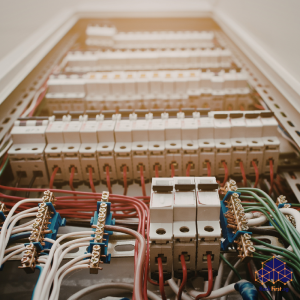
Locate your distribution board (DB box). It is usually near the entrance of your HDB flat. Look for tripped switches (flipped to “OFF” or middle position). Reset by switching it fully OFF, then back ON.
- Inspect for GFCI/RCD Protection
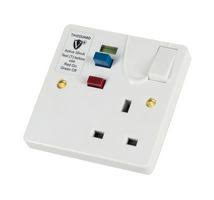
Another way to check if a socket is connected is to use your HDB flat’s built-in RCD protection. Singaporean bathrooms and kitchens often have Residual Current Devices (RCDs) or Earth Leakage Circuit Breakers (ELCBs). Press the “Test” button, then “Reset” to restore power.
Advanced Testing Methods
- Use a Voltage Tester (Non-Contact Pen Tester)
A non-contact voltage tester lights up or beeps when near a live wire. Hold it near the socket’s live (L) terminal—if no signal, power isn’t reaching the outlet.
- Multimeter Testing (For Professionals)
Set a multimeter to AC voltage (~V) mode (230V in Singapore). Insert probes into Live (L) & Neutral (N) holes—a working socket reads ~230V. No reading? Possible wiring fault or tripped circuit.

Common Reasons a Socket Isn’t Working
📌 Tripped Circuit Breaker – Most common issue; reset via DB box or get a professional to carry out a power trip recovery service especially if you have a recurring tripping problem.
📌 Loose Wiring – Poor connections inside the socket.
📌 Blown Fuse (Older Homes) – Some installations still use fuse boxes.
📌 Damaged Socket – Cracked faceplates or burnt contacts.
📌 Switch-Controlled Outlet – Some sockets are linked to light switches.
Singapore’s Electrical Wiring Standards
Voltage: 230V, 50Hz
Socket Type: Mostly Type G (UK-style 3-pin)
Wiring Colors (SS 638 Compliance):
- Live (L): Brown
- Neutral (N): Blue
- Earth (E): Green/Yellow
⚠ Safety Note: Always turn off the mains before inspecting wiring. If unsure, hire a licensed electrician because DIY repairs violate Singapore’s electrical safety regulations.
When To Call a Professional
- Burning smell or scorch marks – Indicates dangerous overheating.
- Frequent tripping – Could signal faulty wiring or overload.
- No power in multiple sockets – May require rewiring.
Checking a socket’s connectivity starts with simple tests (like plugging in a charger), but for persistent issues, professional inspection is crucial. In Singapore, ensuring proper wiring compliance prevents hazards and maintains safety. For expert socket diagnostics, repairs, or electrical installations, trust FixFirst—your reliable electrical solutions provider.