For homeowners and property managers across Singapore, from towering condominiums to bustling HDB estates, birds—particularly pigeons and mynahs—can transform a well-maintained space into a costly nuisance. Their persistent roosting leads to unsightly droppings that stain façades and corrode building materials, create health concerns, and generate constant noise. While temporary deterrents often fail, a professionally installed bird spike system offers a permanent, humane, and highly effective solution. This comprehensive guide details everything you need to know about bird spike installation in the Singapore context, underscoring why expert handyman services are critical for a successful, long-term result.
Understanding Bird Spikes: A Humane and Physical Barrier
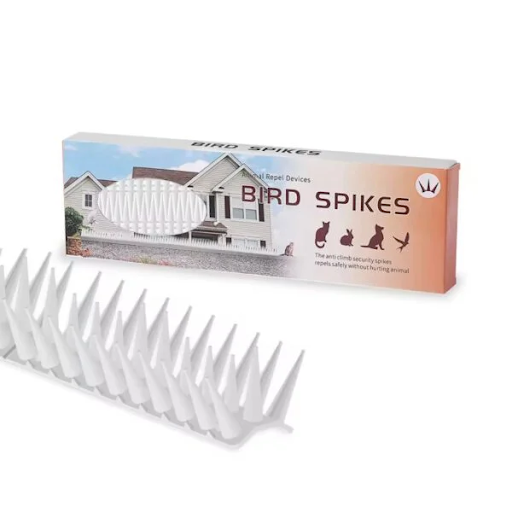
Bird spikes are a passive bird control device consisting of a base and rows of upright, blunt-tipped rods or wires. Contrary to some misconceptions, they are not designed to harm birds. Instead, they create an unstable, uncomfortable landing surface, effectively discouraging birds from perching or nesting on ledges, signage, roof edges, air conditioner ledges, and other favoured spots. Modern spikes are typically fabricated from durable stainless steel or polycarbonate plastic, offering longevity against Singapore’s tropical sun and frequent rain. The effectiveness of this system hinges entirely on two factors: the quality of the materials and, more importantly, the precision and expertise of the installation.
Bird Spikes vs. Bird Netting
In the search for solutions to bird infestations, property managers and homeowners often encounter bird netting as a commonly suggested method. While netting can be effective in specific, controlled scenarios, its application in the dense urban and residential fabric of Singapore introduces an often overlooked danger: the acute risk of becoming a fire hazard. This is not a minor consideration but a critical safety distinction that elevates bird spikes as the fundamentally safer choice for the vast majority of residential buildings, HDBs, and condominiums.
Bird netting, typically made from synthetic polymers like polyethylene, is inherently flammable. When installed across building recesses, voids, or air conditioner ledges—common nesting sites—it acts as a potential fuel source. The threat multiplies when this netting is installed near electrical fixtures, external lighting points, or air conditioner compressor units, where faulty wiring or overheating components can provide an ignition source. In the event of a fire, synthetic netting can melt and burn rapidly, emitting toxic fumes and potentially accelerating the spread of flames within a building’s façade. This creates a dangerous scenario that directly compromises the fire safety standards that Singapore’s buildings rigorously uphold.
Additionally, netting is highly susceptible to degradation under our intense tropical sun and seasonal torrents. As it weakens and frays over time, it can sag or tear, creating pockets where debris, dried leaves, and other combustible materials easily accumulate. This layer of tinder-dry detritus, trapped against the building and hidden within the netting, presents a perfect kindling material. The maintenance required to keep netting clean and intact is also substantial and frequently neglected, allowing risk to build silently over years.
Bird spikes, in stark contrast, present none of these combustible risks. Constructed from inert materials such as stainless steel or engineered plastics, they are non-flammable and do not contribute fuel to a fire. Their open, rigid design prohibits the accumulation of flammable debris. They perform their deterrent function passively and permanently, without creating hidden pockets of risk within your property’s architecture. Choosing spikes is a proactive decision for risk mitigation. It aligns with the highest priorities of property stewardship: preserving structural integrity, ensuring resident safety, and maintaining compliance with Singapore’s stringent fire safety codes without compromise.
Planning and Positioning
A successful bird spike installation is an exercise in strategic planning, not merely adhesive application. Incorrect placement renders the system useless and wastes resources. Our handymen begin with a thorough site assessment to identify all active and potential roosting areas. Birds are creatures of habit; they return to favoured vantage points that offer shelter and proximity to food sources.
The primary principle is to install the spikes on flat, level surfaces where birds currently land. Common hotspots include parapet walls, the top edges of gates and fences, exposed beams, and the flat ledges beneath windows. Crucially, we consider the bird’s approach, ensuring spikes cover the entire landing area without gaps. We also assess the substrate—whether it is painted concrete, rough plaster, metal, or tiled—as this determines the correct adhesive or mechanical fixing method. Overlooking even a small, adjacent perch can undermine the entire installation, as birds will simply move a few inches away.
The Professional Installation Process
A permanent installation follows a rigorous, multi-step process that amateur efforts often neglect. Here is how our certified handymen ensure a flawless and durable result:
| Step | Details |
|---|---|
| Step 1: Site Inspection and Assessment | Our technician surveys the property to map all problem areas, identify bird species, and evaluate surface conditions. This allows for accurate spike selection and material estimation. |
| Step 2: Surface Preparation and Deep Cleaning | This is the most vital step often skipped in DIY attempts. We thoroughly clean and degrease all target surfaces, removing all debris, dust, and most critically, existing bird droppings. Oily residues and loose material prevent adhesives from bonding correctly. We often employ specialized cleaners and scraping tools to achieve a perfectly clean, sound substrate. |
| Step 3: Precise Measurement and Spike Customization | Bird spike strips are measured and cut to exact lengths required for each section. For corners or curves, we carefully angle-cut or heat-form polycarbonate spikes to ensure a continuous barrier without unsightly or ineffective gaps. |
| Step 4: Application of Industrial-Grade Adhesive or Mechanical Fixing | For most surfaces, we apply a generous bead of weather-resistant, polyurethane-based construction adhesive to the spike base. On irregular surfaces or where utmost permanence is required, we combine adhesive with mechanical anchors like screws or cable ties. Pressure is applied along the entire strip to ensure full contact. |
| Step 5: Curing and Final Inspection | We allow the adhesive to cure fully as per manufacturer specifications, during which the area remains undisturbed. A final inspection confirms every strip is securely bonded, properly aligned, and covers all identified perching points. |
Why Choose a FixFirst Handyman To Install Your Bird Spikes
Selecting a general handyman service for this specialized task can lead to recurring problems and hidden costs. FixFirst offers a distinct advantage:
✔️ Expert Site Diagnosis: We don’t just install where you point; we identify all vulnerabilities you may have missed, preventing simply displacing the problem to another part of your property.
✔️ Mastery of Materials and Methods: Our technicians understand which spike type (stainless steel for durability, polycarbonate for discreet aesthetics) and which fixing method (adhesive, screws, or hybrid) is correct for each specific surface on your HDB, condo, or home.
✔️ Uncompromising Surface Preparation: We invest the necessary time in proper cleaning, the single greatest factor in long-term adhesion, and use professional-grade materials to ensure spikes stay mounted through Singapore’s heaviest rains.
✔️ Permanent, Neat, and Code-Compliant Results: Our work is tidy, maintains your property’s aesthetics, and meets relevant safety standards. We avoid the common pitfalls of messy glue application or unstable spikes that detract from your building’s appearance.
✔️ Integrated Pest Solution Understanding: As providers of multiple home maintenance services, we offer holistic advice. For instance, we can identify and recommend sealing entry points for nesting birds in conjunction with spike installation, or suggest complementary solutions like bird netting for large open areas, installed safely away from electrical fixtures.
Summary Table: Professional vs. Amateur Bird Spike Installation
| Professional Installation (FixFirst) | Typical DIY/Amateur Installation |
|---|---|
| Comprehensive site audit to identify all roosting zones and species behaviour. | Often targets only the most obvious spot, missing adjacent perches. |
| Meticulous degreasing and cleaning using professional products to ensure optimal bonding. | Frequently inadequate; wiping or rinsing fails to remove oily bio-films. |
| Chooses correct spike type and fixing method based on substrate and exposure. | Often uses generic spikes and standard glue without consideration. |
| Ensures continuous coverage, secure bonding with appropriate adhesive or anchors, and neat finishes. | Prone to gaps, poor adhesion, uneven placement, and visual clutter. |
| Work is performed safely at height and considers building aesthetics and codes. | Risk of improper ladder use or damage to property surfaces. |

Frequently Asked Questions (FAQs) on Bird Spike Installation
No. Reputable bird spikes have blunt tips. Their purpose is to create an uncomfortable landing area, not to injure. They are widely recognized as a humane deterrent.
High-grade stainless steel or UV-stabilized polycarbonate spikes, when professionally installed, can last 5 to 10 years or more, withstanding rain, heat, and humidity.
A professional installer will select the appropriate adhesive and method for your surface. When installed correctly, there should be no damage. In fact, they prevent the corrosive damage caused by prolonged contact with bird droppings.
They are most effective against medium to large birds like pigeons, mynahs, and crows. Smaller birds may sometimes navigate between spikes, which is why professional assessment is key to choosing the right spike density and design.
Yes. Professional installers can customize and form spike strips to fit curved surfaces like pipes, conduits, and rounded ledges using specialized techniques, ensuring full coverage.
Very little. We recommend an occasional visual inspection, especially after extreme weather, and gentle clearing of any leaves or debris that may accumulate on the spikes to maintain their effectiveness.
Considering their longevity and effectiveness, they are a cost-effective solution. The total investment depends on the linear footage required and site complexity. Professional installation avoids the hidden cost of frequent replacements or repairs from failed DIY attempts.
Common effective locations include common corridor ledges, air conditioner compressor ledges, parapet walls, roof edges, signage, and above gateways.
We use industrial-grade adhesives formulated for outdoor structural bonding, often supplemented with mechanical fixings in high-wind areas. Proper surface preparation is the critical factor that prevents wind uplift.
Bird infestations present a persistent challenge to the cleanliness and integrity of Singaporean homes. Temporary measures offer only brief respite, while permanent structural solutions like professional bird spike installation deliver lasting peace of mind. The distinction between a failed deterrent and a silent, enduring barrier lies in the precision of the installation. It is a specialized task that demands a handyman’s practical skill, a meticulous eye for detail, and a deep understanding of local avian behaviour.
Do not allow bird-related damage and mess to accumulate further. Contact FixFirst today over Whatsapp for a detailed, no-obligation quote. Our certified technicians will provide a clear plan and transparent quote to protect your property with a professional, humane, and guaranteed bird spike installation.