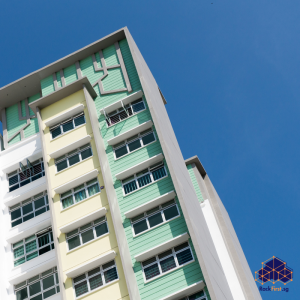
Singapore’s urban landscape creates an ideal environment for birds like pigeons, mynahs, and sparrows to thrive. While these creatures add charm to our city, they often become nuisances when nesting in residential areas. Bird netting installation Singapore has emerged as one of the most effective and humane solutions to protect homes from avian-related problems, with its equally humane alternative bird spike installation as the safest. From balcony spaces to air conditioner ledges, properly installed bird nets prevent property damage while maintaining the aesthetic appeal of HDB flats and private residences.
Birds cause more than just noise disturbances. Their droppings contain uric acid that corrodes paint and metal surfaces, while nests block drainage systems and create fire hazards near electrical fixtures. The National Environment Agency (NEA) recognizes bird netting as an approved bird control method, making it a compliant solution for homeowners seeking to address these issues without harming local wildlife.

Types of Bird Netting Materials and Their Applications
Polyethylene Netting
The most common choice for residential installations, polyethylene nets offer excellent durability against Singapore’s tropical weather. High-density versions withstand intense UV exposure for 5-8 years without significant degradation. These lightweight yet strong nets come in various mesh sizes (typically 25mm to 50mm), allowing customization based on the bird species causing issues. The material’s flexibility makes it ideal for irregular spaces like HDB balcony gaps and curved architectural features.
Stainless Steel Netting
For areas requiring extra strength, stainless steel mesh provides a permanent barrier against larger birds. Though more expensive, its rust-resistant properties suit coastal properties and high-rise installations exposed to salty sea breezes. Professional installers often recommend this for commercial buildings, but some homeowners choose it for premium residential applications where longevity outweighs cost considerations.
Nylon and Polypropylene Variants
Budget-friendly nylon nets serve as temporary solutions for short-term bird problems, while polypropylene offers better weather resistance for mid-range installations. These synthetic options work well for covering garden sheds or less critical areas where extreme durability isn’t necessary. However, they typically require replacement every 2-3 years in Singapore’s humid climate.
Bird Netting as a Fire Hazard
While bird netting serves as an effective physical barrier against pest birds, property owners and facility managers must recognize its potential as a fire hazard. The Singapore Civil Defence Force (SCDF) provides clear regulatory guidance on this often-overlooked risk. Crucially, the installation of anti-bird netting on the external facades of buildings, particularly in common areas managed by Town Councils, frequently falls under the purview of the Fire Code. Such installations typically require SCDF approval and a formal plan submission by a Qualified Person. This regulation exists because improperly installed or non-fire-rated netting can dangerously accelerate flame spread across a building’s exterior, creating a conduit for fire. This concern is significant enough that even public trials, such as those for bird netting on HDB air-con ledges, must meticulously consider fire safety protocols from the outset. Selecting the correct material is therefore not merely a matter of durability but a critical fire prevention strategy. Modern, compliant bird netting for buildings should be constructed from ultraviolet-stabilized, flame-retardant polymers designed to resist ignition and limit the spread of fire, thereby safeguarding both property and lives. Understanding and adhering to these regulations transforms a simple pest control measure into a responsible component of a building’s overall fire safety system.
The Role of Construction Netting in the Tai Po Fire
The devastating fire in Tai Po, Hong Kong, provides a sobering, real-world case study on the catastrophic consequences of negligent netting installation. Following the tragedy, which claimed multiple lives, a forensic investigation pointed to unsafe construction netting as a key factor in the rapid propagation of the blaze. Authorities arrested several individuals for alleged manslaughter, highlighting the severe legal and moral responsibilities involved. Investigators found that the netting used at the site was not only highly flammable but also inadequately secured and maintained, allowing it to act as a deadly fuse. Rather than serving its purpose, the material became a vertical fire ladder, enabling flames to engulf the building’s exterior with shocking speed and intensity. This incident starkly illustrates a universal safety principle: any netting—whether for bird control, construction, or debris containment—must be treated as an integral part of a structure’s fire safety profile. The Tai Po fire moves the conversation beyond pest nuisance and into the realm of forensic failure analysis, demonstrating that substandard materials and improper installation can have fatal outcomes. It underscores an urgent need for stringent procurement, expert installation, and regular audits of all external netting systems, ensuring they meet the highest standards of fire resistance and structural integrity to prevent such preventable disasters.
Strategic Planning for Effective Bird Netting Installation
Identifying Problem Areas
Successful bird deterrence begins with thorough inspection. Common trouble spots in Singapore homes include:
- Balcony ceilings and ledges where pigeons roost
- Air conditioner compressor spaces that attract nesting birds
- Open stairwells and common corridors in HDB blocks
- Rooftop gardens and planter boxes
- Exposed beams and decorative architectural features
Measuring and Customization
Precision measurements ensure complete coverage without unnecessary material waste. Professional installers account for:
- The exact dimensions of the space requiring protection
- Required tension for proper net suspension
- Access points for maintenance needs
- Future expansion possibilities
Color Selection Considerations
While black remains the most popular choice for its low visibility, some homeowners opt for:
- White nets for brighter areas to maintain aesthetic harmony
- Green variants that blend with garden environments
- Custom-colored solutions for architectural integration
Professional Installation Process Step-by-Step
| Step | Details |
|---|---|
| Step 1: Surface Preparation | Installers begin by cleaning and preparing attachment points. This involves removing existing bird nests and debris, treating surfaces with anti-perching spikes where needed, and marking anchor points for consistent tension. |
| Step 2: Framework Construction | A sturdy support system forms the foundation for long-lasting installation: • Stainless steel hooks mount securely into concrete or brick • Tension cables create a stable perimeter frame • Corner reinforcements prevent sagging over time |
| Step 3: Net Deployment and Securing | The actual net installation requires careful handling. Teams unfurl nets systematically to avoid tangling. Specialized tools create even tension across all sections, while UV-resistant ties secure the net to the framework. Then excess material gets trimmed for a clean finish. |
| Step 4: Final Adjustments and Inspection | The completed installation undergoes rigorous checks: • Tension verification across all sections • Gap inspection to ensure no entry points remain • Movement testing to confirm wind resistance • Safety evaluation of all attachment points |
For a secure, HDB-compliant bird netting installation in Singapore, trust FixFirst’s certified technicians. We ensure durable materials, proper anchoring, and full coverage without damage to your walls.
Maintenance and Long-Term Care
Routine Inspection Schedule
Proper maintenance extends netting lifespan significantly, so consider doing the following:
✔️ Monthly visual checks for new bird activity
✔️ Quarterly tension assessments
✔️ Biannual cleaning to remove accumulated debris
✔️ Annual professional inspections
Repair Techniques
Minor damages can often be addressed without full replacement:
- Patch kits for small holes
- Tension readjustments for sagging sections
- Hook reinforcements for loose anchor points
When To Consider Replacement
Signs that your bird netting needs upgrading include:
- Visible UV degradation (brittleness or discoloration)
- Frequent bird breaches
- Loose framework compromising safety
- Changes in bird behavior patterns
Cost Factors and Budgeting Considerations
Material Costs
Prices vary based on netting type and quality:
- Polyethylene nets: $3-$8 per square meter
- Stainless steel mesh: $15-$30 per square meter
- Nylon alternatives: $2-$5 per square meter
Installation Charges
Professional services typically include:
- Site assessment fees: $50-$100
- Basic installation labor: $200-$500
- Complex structure additional charges: $100-$300
- Maintenance package options
Total Bird Netting Project Estimates
Average complete installations range:
- HDB balcony (10 sqm): $400-$800
- Condo aircon ledge (5 sqm): $300-$600
- Landed property roof area (20 sqm): $800-$1,500

Frequently Asked Questions (FAQs) about Bird Netting Installation Singapore
Yes, when properly installed without damaging building structures. Some town councils require prior notification for external modifications.
Quality polyethylene nets typically last 5-8 years, while stainless steel can endure 10+ years with proper maintenance.
Properly tensioned nets prevent entanglement. Our installers follow humane guidelines ensuring birds simply bounce off without injury.
High-quality nets maintain 85-90% light transmission while providing effective bird protection.
Installations include strategically placed access points for cleaning and repairs without compromising protection.
While possible for small areas, professional installation ensures correct tensioning and secure anchoring critical for effectiveness and safety.
Gentle spraying with water and mild detergent suffices. Avoid abrasive tools that could damage the mesh.
Proper installation techniques prevent damage. We use non-invasive mounting methods approved for HDB applications.
Supplemental deterrents like reflective devices or scent repellents can enhance the netting’s effectiveness.
Most residential projects finish within a day, while complex installations may require 2 days.
Don’t let bird problems disrupt your home’s comfort and safety. Investing in proper bird netting installation Singapore saves homeowners from costly repairs and health hazards associated with bird infestations. A well-executed installation provides years of reliable protection while maintaining your property’s aesthetic appeal.