Electric ovens are a common appliance in many Singaporean kitchens, but whether they can be safely plugged into a standard household socket depends on their power requirements. Most standard power outlets in Singapore supply 230–240 volts at 13 amps, which is sufficient for small to medium appliances like microwaves or toasters whose plug is typically the 13 amp 3 pin fused mains plug. You can plug an electric oven into a normal socket as long as the oven’s wattage rating is well within the wall outlet’s rated capacity. However, larger electric ovens—especially built-in or high-capacity models—often demand much more power, making them incompatible with normal sockets. Plugging a high-wattage oven into a standard outlet can lead to overheating, frequent circuit breaker trips, or even electrical fires.
Understanding Power Requirements for Electric Ovens
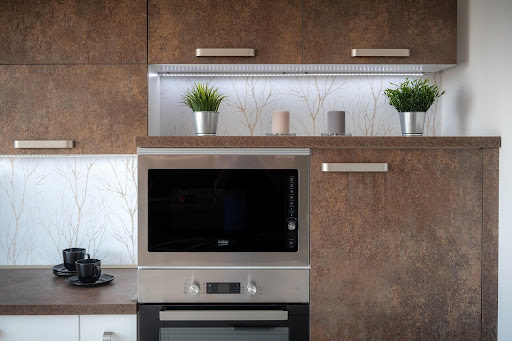
Electric ovens generally fall into two categories: compact countertop models and full-sized built-in ovens. Smaller countertop ovens typically consume between 1,500 and 2,500 watts, which can sometimes be supported by a standard 13-amp socket, provided no other high-power devices are running on the same circuit. However, built-in electric ovens, especially those with convection or multifunction capabilities, often require 3,000 watts or more. These high-power ovens need a dedicated 15-amp or 20-amp circuit, connected via a special high-current power plug (such as a BS 546 or IEC 60309 industrial plug) rather than a standard 3-pin household socket.
Risks of Using a Normal Socket for a High-Power Oven
Attempting to connect a high-wattage oven to a standard socket can cause several hazards. Overloading the circuit may lead to overheating of wires, melting of insulation, or even electrical fires. The socket itself may become scorched or damaged over time due to sustained high current draw. Additionally, frequent tripping of the circuit breaker is a clear sign that the oven is drawing more power than the socket can safely handle. In Singapore, where electrical safety regulations are strict, improper installation can also void home insurance coverage in case of an electrical fire.
Proper Installation and Compliance with Singapore’s Electrical Standards
According to the Energy Market Authority (EMA) of Singapore, high-power appliances like electric ovens should be installed by a Licensed Electrical Worker (LEW) to ensure compliance with safety standards. A dedicated circuit with the appropriate wiring (typically 2.5mm² or 4mm² for higher loads) and a correctly rated circuit breaker must be used. Some ovens may even require a separate isolator switch for added safety. Using an adapter or extension cord for an electric oven is strongly discouraged, as these are not designed to handle sustained high currents and can become fire hazards.
Alternatives for Homes Without Dedicated Circuits
If your home lacks a dedicated high-power circuit, you may need to consider alternatives. Smaller countertop ovens with lower wattage can be a practical solution, as they are designed to work with standard sockets. Alternatively, gas ovens or induction cooktops (which often have lower peak power demands) may be viable options. If a built-in electric oven is necessary, consulting a professional electrician to install a proper circuit is the safest approach.
Conclusion
While some low-wattage countertop ovens can operate on a standard Singaporean household socket, most built-in electric ovens require a dedicated high-power circuit to function safely. Attempting to use a normal socket for a high-current oven poses significant risks, including electrical fires and damage to the appliance. To ensure safety and compliance with Singapore’s regulations, homeowners should always consult a licensed electrician before installing an electric oven. For professional advice and installation services, trusted providers like FixFirst can help assess your home’s electrical setup and ensure a safe, code-compliant installation.