In Singaporean bathrooms, shaver sockets are a common fixture, designed specifically for low-power grooming devices like electric razors and toothbrushes. However, many people wonder whether these sockets can safely accommodate higher-wattage appliances like hair dryers. Theoretically, yes you can plug in a hair dryer into a shaver socket if the wattage of your hair dryer is well within the rated capacity (which is usually relatively low) of the shaver outlet and provided you aren’t plugging anything else into the socket. The safest answer, however, is no. Attempting to use a hair dryer with a shaver socket–especially if the socket is very clearly labelled with SHAVERS ONLY–is not only unsafe but could also damage the socket, trip circuits, or even cause an electrical fire. Understanding the technical differences between these sockets and the risks involved is crucial for maintaining electrical safety in Singaporean homes.

The Design and Limitations of Shaver Sockets
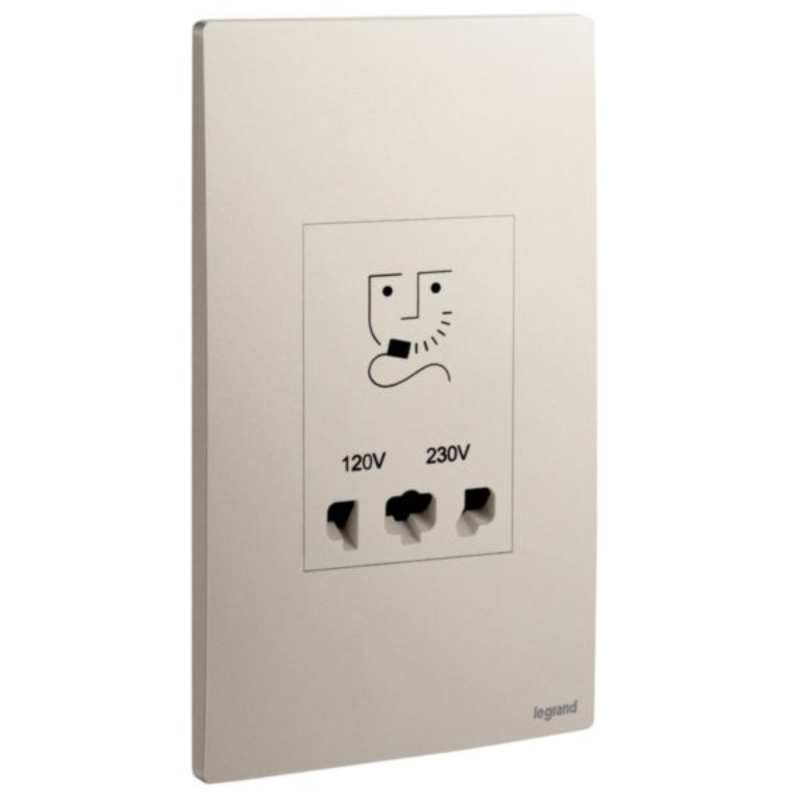
Shaver sockets in Singapore are engineered with strict safety considerations, particularly due to their proximity to water sources. These specialized outlets typically provide 230–240 volts but are limited to a low current output, usually around 1 amp or less. This design ensures compatibility with small, low-wattage devices (usually under 20 watts) while minimizing the risk of electrical hazards in damp environments. In contrast, most hair dryers—especially high-performance models—consume between 1,200 to 2,200 watts, drawing 5 to 10 amps of current. Plugging such a high-demand appliance into a shaver socket forces it to handle a load far beyond its intended capacity, which can lead to overheating, melted components, or short circuits.
Why Using a Hair Dryer in a Shaver Socket Is Dangerous
The primary risk lies in the mismatch of power requirements. Shaver sockets lack the robust wiring and internal components needed to sustain the high current draw of a hair dryer. Overloading the socket can cause the internal wiring to overheat, potentially melting the insulation and creating a fire hazard. Additionally, the socket’s built-in isolation transformer—a safety feature that reduces voltage for shavers—is not designed to handle the surge of power demanded by a hair dryer, which could result in a blown fuse or permanent damage to the socket.
Another critical factor is the humid bathroom environment. While shaver sockets are splash-proof, they are not waterproof. Hair dryers generate heat and airflow, increasing the likelihood of moisture exposure, which could lead to corrosion or electrical arcing over time.

Safe Alternatives for Using Hair Dryers in Bathrooms
If your bathroom lacks a standard power outlet, there are safer ways to use a hair dryer without risking electrical damage. One option is to install a dedicated, high-current bathroom outlet with a residual-current device (RCD) for added protection. These outlets are designed to handle higher loads and include ground-fault protection to prevent shocks in wet areas. However, this modification must be performed by a Licensed Electrical Worker (LEW) to comply with Singapore’s Energy Market Authority (EMA) regulations.
Alternatively, you could use the hair dryer outside the bathroom, where standard household sockets are available. Many modern hair dryers come with long cords or cordless designs for this purpose. If your bathroom’s electrical setup cannot be easily upgraded, opting for a low-wattage travel hair dryer (under 1,000 watts) may reduce risks, though it’s still not advisable to use it with a shaver socket.
Recognizing Warning Signs and Taking Precautions
If a hair dryer has been mistakenly plugged into a shaver socket, watch for warning signs like a burning smell, discoloration around the socket, or frequent tripping of the circuit breaker. These indicate immediate danger, and the socket should be inspected by a professional. To prevent accidents, always check the power rating of your hair dryer and ensure it matches the outlet’s capacity. Never force a plug into a socket that isn’t designed for it, and avoid using adapters, as they can compromise safety.
Conclusion
Shaver sockets in Singapore are not suitable for hair dryers due to their low current capacity and specialized design. Attempting to use one for a high-wattage appliance risks electrical damage, fire, and non-compliance with local safety standards. For safe operation, homeowners should either install a properly rated bathroom outlet or use the hair dryer in a non-wet area with a standard socket. Consulting a licensed electrician, such as those from FixFirst, can help assess your bathroom’s electrical setup and recommend compliant solutions to meet your needs while prioritizing safety.