A light switch that trips the breaker the moment it is pressed tells a clear story: somewhere inside that circuit, a live conductor touches something it should not. Learning how to fix a short circuit light switch begins with respecting that instant of arc and heat, which can char a plastic back box in seconds. In a Singapore HDB, lighting circuits sit on a 6A miniature circuit breaker and use 1.5mm² cables. The breaker reacts fast, but the root cause—a pinched wire, a melted terminal, or a strand of copper bridging the gap between live and earth—demands more than a quick reset.

What Triggers a Short Circuit in a Light Switch
A short circuit inside a wall switch typically occurs when a stray strand of the live wire touches the neutral or the earth terminal. The resulting current surge, far above the 6A rating, slams the breaker open. Other culprits include a screw driven too tightly through the insulation, a switch body cracked from age, or moisture that has crept into the switch plate in a humid kitchen or bathroom. Even a poorly fitted metal faceplate that presses against a live terminal screw can cause a direct short to earth.
Any discussion of how to fix a short circuit light switch must start with these physical signs. A switch that crackles, feels warm to the touch, or carries a faint burning smell already has compromised insulation. Ignoring those warnings invites a repeat trip that could pit the breaker contacts and degrade its ability to protect the lighting circuit in the future.
How To Fix a Short Circuit Light Switch: The Step-by-Step Inspection
Before touching any component, switch off the main incoming breaker inside the distribution board. A lighting circuit breaker isolates only the live wire. The neutral remains connected to the common neutral bar, and a back-feed from another circuit can still deliver a shock. Use a non-contact voltage tester on the switch terminals to confirm zero potential, then unscrew the switch plate.
The first visual check reveals most faults. Look for black scorch marks around the terminal screws, melted plastic, or a tiny copper hair bridging two terminals. If the switch body itself has cracked, the internal rocker mechanism can collapse and press the live contact against the metal mounting grid. In such a case, the repair is a complete replacement with a new switch, preferably one that carries the SAFETY Mark for controlled goods in Singapore.
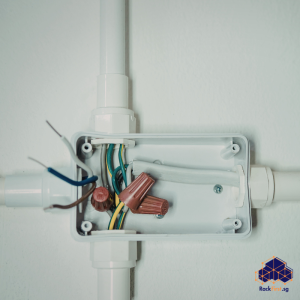
Strip back the damaged section of wire until clean copper appears, then re-terminate. Twist the strands neatly, hook them around the terminal screw in a clockwise direction, and tighten firmly without crushing the conductor. Fold the wires gently back into the wall box, ensuring no stray strand touches the sides of a metal back box. Before restoring power, a quick continuity test with a multimeter—checking for infinite resistance between live and earth—confirms the short has cleared. These practical steps define how to fix a short circuit light switch at the switch plate level, yet the fault can run deeper than the visible wiring.
When the Breaker Still Trips After the Switch Is Repaired
A replacement switch and freshly trimmed wires that still throw the breaker point to a short further along the circuit. The fault could sit inside the ceiling rose, where heat from a loose neutral has melted the terminal block. It could hide inside the light fitting itself, especially when a driver for LED downlights develops an internal fault that creates a dead short on its primary side. Tracing such an intermittent short requires an insulation resistance tester and a methodical disconnect-and-test approach that falls squarely under the work a Licensed Electrical Worker (LEW) must perform under Singapore’s Electricity Act.
The deeper lesson of how to fix a short circuit light switch is not just tightening a few screws. It is knowing when the short lives beyond the switch box and inside the concealed wiring that runs through the ceiling slab. No amount of DIY determination can safely repair a cable that has been pierced by a nail or deteriorated inside old metal conduit. That job calls for new cable runs, a megger test, and a fresh CP5-compliant connection.
Send a photo of your switch to FixFirst and describe the symptoms. A licensed electrician arrives with the right test gear to solve the short in one visit. Message FixFirst now over Whatsapp for a clear, upfront price and a repair that leaves your lights steady and your family safe.