In Singapore’s electrical landscape, the question of whether can you use 2 pin plug 3 pin socket configurations is common, particularly among residents using imported appliances or older devices. The short answer is yes, but with important caveats regarding safety and compliance with local regulations. Understanding the technical and legal implications is essential for preventing electrical hazards in Singaporean homes.
Understanding Plug and Socket Standards in Singapore
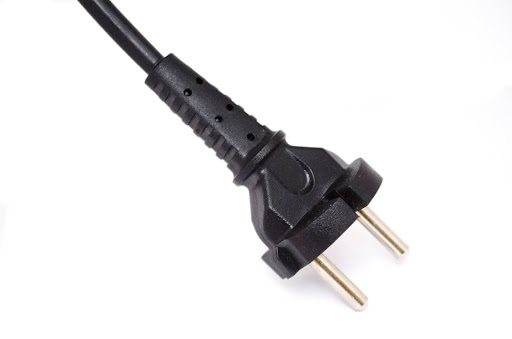
Singapore primarily uses the BS 1363 three-pin socket standard, which includes live, neutral, and earth pins for enhanced safety. The earth pin serves as a critical protective measure, especially for high-power appliances, by preventing electric shocks in case of faults. Two-pin plugs, typically found on low-power devices like phone chargers or small electronics, lack this grounding protection. While physically possible to insert a two-pin plug into a three-pin electrical outlet (often with a socket adapter), the safety implications vary depending on the appliance type and power requirements.
When Is It Safe to Use a 2 Pin Plug in a 3 Pin Socket?
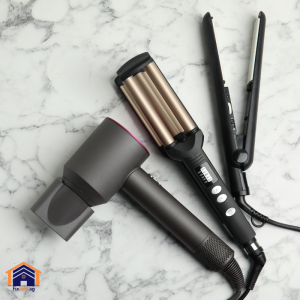
For low-wattage, double-insulated devices (e.g., laptops, LED lamps, or shavers), using a two-pin plug in a three-pin socket is generally safe, provided the voltage (230V) and current (up to 13A) match Singapore’s standards. Many modern adapters and power strips accommodate two-pin plugs without issue. However, appliances with metal casings or high power consumption (e.g., microwaves, refrigerators, and air conditioners) require proper grounding via a three-pin connection. Using a two-pin plug for such devices risks electric shocks or short circuits, as the earth path is absent.
Risks of Improper Use
The absence of grounding poses significant hazards for certain appliances. If a fault occurs in an ungrounded device, stray current could energize its metal casing, creating a shock risk. Singapore’s humid climate exacerbates this danger, as moisture increases conductivity. Additionally, forced insertion of incompatible plugs (e.g., using brute force or makeshift adapters) may damage socket contacts, leading to overheating or sparks. In Singapore, there are three types of mains plugs: the 2.5 amp 2 round-pin mains plug, the 13 amp 3 pin fused mains plug for refrigerators, microwave ovens, and washing machines, as well as the 15 amp 3 round-pin mains plug for air conditioning units. The Energy Market Authority (EMA) of Singapore explicitly warns against tampering with plugs or using uncertified adapters, as these violate safety standards (SS 145) and may void insurance coverage in case of accidents.
Legal and Compliance Considerations
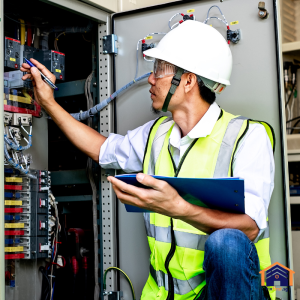
Singapore’s electrical code mandates grounding for all fixed installations and high-power appliances. While no law prohibits two-pin plugs outright, their use is restricted to low-risk devices. For imported appliances with two-pin plugs, consulting a Licensed Electrical Worker (LEW) to assess grounding needs is advisable. In workplaces, the Workplace Safety and Health (WSH) Act may impose stricter requirements, particularly for industrial equipment.
Safer Alternatives to Adapters
Instead of relying on adapters, consider these safer approaches:
| Alternative | Details |
|---|---|
| Replace the Plug | A licensed electrician can fit a three-pin plug to the appliance, ensuring proper grounding if required. |
| Use Certified Converters | EMA-approved plug converters (with grounding tags) are safer than makeshift solutions. |
| Upgrade Appliances | For older devices, replacing them with Singapore-compliant models eliminates compatibility issues. |
When To Seek Professional Help
If unsure about an appliance’s grounding needs, or if you notice sparks, heat, or frequent circuit trips when using two-pin plugs, consult a professional immediately. FixFirst can send over electricians to evaluate your setup, recommend compliant solutions, and ensure adherence to SS 145 standards
Conclusion
While you can use 2 pin plug 3 pin socket combinations for low-power devices in Singapore, caution is vital. Always verify an appliance’s insulation class and power demands, avoid makeshift adapters, and prioritize grounding for safety-critical equipment. For high-wattage or metal-bodied devices, proper three-pin installation is non-negotiable. When in doubt, professional assessment ensures compliance and prevents hazards in your home’s electrical system.