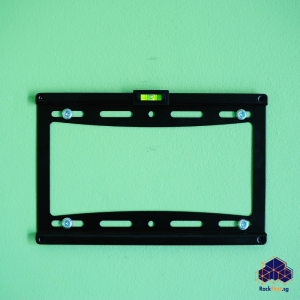
A wet bedsheet holds nearly four kilograms of water. Hang two of them plus a full load of laundry, and your wall mounted washing line Singapore carries the weight of a small child, pulling outward and downward with every passing breeze. The bracket, the screws, the wall plugs, and the wall itself all share that burden. Yet most installations in HDB service yards rely on nothing more than the free plastic plugs that came in the box. Understanding what really keeps that line anchored can prevent a collapse that damages tiles, pipes, and worse.

Not Every HDB Wall Can Hold a Fully Loaded Line
Service yard walls in older HDB flats consist of solid reinforced concrete that takes a heavy-duty expansion bolt without complaint. Newer BTO flats, however, often use a precast concrete panel with a thinner cross-section on the yard side. That panel cracks under excessive point loading, especially if the anchor sits close to an edge. Partition walls inside the service yard, such as those separating the yard from the kitchen, may contain lightweight aerated blocks. A standard nylon plug will not grip that material, and the entire assembly will work itself loose after a few months of use. Before drilling, knock on the wall along the intended mounting line. A consistent, sharp ring confirms solid concrete. A dull thud or a hollow echo signals a block wall that needs specialised chemical anchors, not just a bigger screw.
The Anchor Is Not the Same as the Bracket
Manufacturers of a wall mounted washing line Singapore include a set of mounting hardware that often passes basic quality checks but fails under real-world conditions. The weak point sits in the wall plug, which softens over time as the plastic ages in the heat. Singapore’s afternoon sun beats directly onto service yard walls, raising the surface temperature past fifty degrees Celsius. Repeated heating and cooling cycles cause standard polyethylene plugs to lose their hoop strength, and the screw begins to turn inside the plug. The homeowner tightens it further, which strips the plug entirely. A simple upgrade to nylon plugs rated for outdoor use or stainless steel sleeve anchors eliminates this slow failure from the start.
Why Stainless Steel Matters More Than You Think
Laundry hangs outdoors, and rain blows sideways into most service yards. A zinc-plated steel bracket and screws will rust within two years, leaving orange streaks down the wall that prove impossible to clean off the tiles. Stainless steel grade 304 costs a few dollars more, yet many off-the-shelf lines still ship with plated mild steel hardware. The rust does more than stain: it weakens the bracket at the screw hole, and one day a heavy load shears the rusted metal clean through. Whenever FixFirst replaces a fallen line, the original screws show a telltale reduction in diameter where corrosion ate away the steel inside the wall. Choosing stainless hardware at installation prevents a failure that always happens at the worst possible moment.
Common Installation Mistakes That Shorten the Line's Life
Mounting the brackets too close to the ceiling makes it impossible to flip the line arms fully open, so the laundry bunches up and never dries properly. Placing the brackets too far apart causes the line to sag under weight, and the middle section becomes useless because all the wet clothes slide toward the centre hook. Failing to account for the window opening arc means the line obstructs the casement window, and a gust of wind slams the glass into the metal arms. These small errors require re-drilling and patching, which leaves a constellation of filled holes behind the new position. The most common fix we perform involves moving a line that someone installed without first measuring the full swing of both the line arms and the nearest window.
A Simple Test To Catch Trouble Early
Grasp the fully extended line with both hands and pull straight down with a sharp, steady force. Do this with the line empty. A properly anchored bracket feels completely solid, and the wall shows no movement. If the bracket shifts even half a millimetre, or if fine plaster dust puffs out around the screw head, the anchor is failing. Tightening the screw will not fix it, because the plug has already compressed the wall material beyond its elastic limit. The only lasting repair involves removing the screw, extracting the old plug, brushing out the hole, and setting a new anchor with fresh epoxy or a larger mechanical sleeve. Catching this early keeps the bracket where it belongs and the laundry off the floor.
A fallen washing line can break tiles, bend window frames, and send a fully loaded line crashing onto the pipes below. If your wall mounted washing line Singapore home needs a secure installation or a repair you can trust, contact FixFirst today.