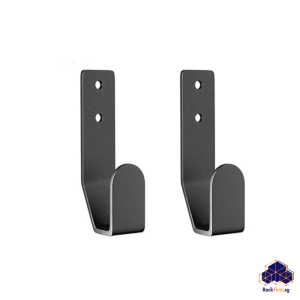
Singaporean homes, particularly HDB flats, constantly battle for every square foot of space. As travel becomes a more integral part of our lives, bulky luggage can quickly clutter our storerooms and corridors. Enter the wall mounted luggage rack: a simple yet transformative storage solution that lifts your baggage off the floor, freeing up precious living area. This comprehensive guide delves into every facet of selecting and installing these space-saving marvels, ensuring your home remains organized and spacious.

The Importance of Wall Mounted Luggage Racks
The primary purpose of a wall mounted luggage rack is unequivocally space conservation. By elevating suitcases, duffel bags, and travel gear, these racks instantly declutter floor space, making rooms appear larger and more orderly. Beyond mere storage, they protect your luggage from potential water damage, pests, and the wear and tear of being stacked on the ground. A properly installed rack also enhances safety by preventing tripping hazards and ensuring heavy bags remain securely positioned, out of the reach of children and pets. This vertical approach to storage transforms dead wall space into a highly functional storage zone, a principle that is absolutely critical in the compact footprint of typical HDB flats.
A Guide to Selecting the Perfect Luggage Rack for Your Home
Choosing the right rack involves more than just picking the first option you see. You must consider material, capacity, and design harmony with your home’s aesthetic. Steel racks offer exceptional strength and durability, capable of handling the heaviest luggage sets. Aluminium models provide a lighter, corrosion-resistant alternative, ideal for Singapore’s humid climate. Wooden racks introduce a warmer, more residential feel but may have a lower weight capacity. Always check the manufacturer’s specified weight limit and factor in the combined weight of your heaviest luggage pieces. The rack should not only be strong but also complement your interior design, whether you prefer a minimalist metallic finish or a custom cabinet look.
Understanding Luggage Rack Wall Mount Types and Their Applications
The mounting mechanism is the heart of your rack’s safety and functionality. Different types serve distinct purposes and load requirements.
Fixed Brackets represent the most common and straightforward design. These racks feature sturdy L-shaped arms bolted directly to the wall, creating a permanent and immensely strong support structure. They excel in storerooms or utility areas where you need to hold multiple heavy suitcases with absolute stability and do not require frequent access to the space behind.
Swing-Down Arms introduce a layer of versatility. These racks mount on a hinged mechanism, allowing the entire unit to swing down for easy loading and unloading. This design proves invaluable in tight spaces where lifting a heavy suitcase directly onto a high, fixed bracket would be awkward or unsafe. It brings the luggage to you, reducing strain and improving accessibility.
Summary of Rack Types and Uses
| Rack Type | Ideal For | Key Consideration |
|---|---|---|
| Fixed Brackets | Storerooms, heavy luggage, maximum stability. | Permanent installation; less accessible for heavy items. |
| Swing-Down Arms | Tight spaces, easy loading/unloading, reduced physical strain. | Requires clearance space to swing down; mechanism must be robust. |
Navigating HDB Drilling Regulations and Pre-Installation Planning
In Singapore’s HDB flats, any renovation work, including drilling into walls, falls under strict guidelines. The Housing & Development Board explicitly prohibits drilling into structural beams and columns, as this can compromise the building’s integrity. You must also avoid damaging concealed electrical wires and water pipes. A professional can help you identify safe drilling zones, typically within non-structural partition walls. The HDB renovation guidelines mandate that homeowners engage only HDB-registered contractors for certain works; while a simple luggage rack might not always require one, the principle of using skilled, knowledgeable installers remains important for safety and compliance.
The Ultimate Step-by-Step Guide to Mounting Your Rack
A successful installation hinges on meticulous planning and execution.
| Step | Details |
|---|---|
| Step 1: Select the Optimal Position | Identify a wall segment that is both clear of obstructions and can comfortably accommodate the rack’s dimensions when loaded. Consider the rack’s height for both storage and access. |
| Step 2: Locate Wall Studs and Check for Utilities | Use a high-quality electronic stud finder to locate the wooden or metal studs within the wall. These studs provide the strongest anchor points. Simultaneously, use a wire and pipe detector to meticulously scan the area and ensure your drill path is clear of hidden dangers. |
| Step 3: Mark and Pre-Drill Pilot Holes | Hold the rack’s mounting bracket firmly against the wall, ensuring it is perfectly level. Mark the drilling points through the bracket’s holes. Using a drill bit slightly smaller than your wall plug, pre-drill the holes at the marked points. |
| Step 4: Install Wall Plugs and Secure the Bracket | Insert the appropriate wall plugs into the pre-drilled holes. Align the mounting bracket with the plugs and drive the screws through the bracket and into the wall plugs, tightening them securely until the bracket is firmly attached to the wall without any wobble. |
| Step 5: Attach the Rack and Conduct a Load Test | Fix the main rack unit onto the mounted bracket according to the manufacturer’s instructions. This may involve sliding it into place or securing it with additional screws. Before placing your luggage, apply significant downward pressure on the rack to test its stability and ensure it can handle the intended load. |
Need a secure, damage-free luggage rack installation in your HDB flat? FixFirst’s certified handymen use professional tools and HDB-compliant techniques to ensure your rack is level, stable, and safe
Why Choose a FixFirst Handyman To Install Your Wall-Mounted Luggage Rack
While a DIY approach might seem tempting, the security of your luggage and the integrity of your wall demand professional expertise. Entrusting this task to a FixFirst handyman offers undeniable advantages.
✔️ Expertise in HDB Compliance: Our professionals understand the nuances of HDB regulations. We identify safe, non-structural walls for mounting, ensuring your installation is fully compliant and avoids costly fines or repair work.
✔️ Precision and Right-First-Time Service: We come equipped with professional-grade tools, including high-sensitivity stud and wire detectors. This allows for precise drilling, preventing damage to electrical conduits or plumbing, and ensuring a perfectly level and secure installation.
✔️ Guaranteed Safety and Load Assurance: The primary risk of a poorly installed rack is collapse. Our handymen secure the rack into wall studs with the correct anchors and screws, providing peace of mind that your heavy luggage will remain safely suspended.
✔️ Time and Hassle Savings: We handle the entire process, from planning and tool gathering to cleanup. You save your valuable time and avoid the frustration of potential DIY mistakes.
✔️ Service and Accountability: Unlike a solo handyman, FixFirst stands behind our work. You receive a guarantee on the service provided, ensuring long-term reliability and a single point of contact for any future concerns.

Frequently Asked Questions (FAQs) on Wall Mounted Luggage Racks
Weight capacity varies significantly by model and brand. Light-duty racks may support 25-50kg, while heavy-duty steel models can often hold 100kg or more. Always check the manufacturer’s specifications and factor in a safety margin.
Yes, but only with the correct hollow-wall anchors, such as toggle bolts or molly bolts. These anchors spread the load behind the wall surface. For heavier loads, securing the rack directly into the wall studs is non-negotiable.
Leave sufficient clearance to easily slide your luggage in and out. A minimum of 5-10 cm above the height of your tallest suitcase is a good rule of thumb.
When installed correctly and used responsibly, they are safe. However, you should educate children not to climb on them. For added safety, ensure the rack is mounted high enough to be out of easy reach.
The most stable method is to place the suitcase on its side, so the wheels are facing the wall. This lowers the center of gravity and prevents the bag from rolling off.
If you are confident in your ability to locate studs, use the right hardware, and ensure a perfectly level installation, it is possible. However, given the risks of damaging your wall or the rack failing under load, professional installation is highly recommended.
Simply wipe it down with a damp cloth. For metal racks, you can occasionally apply a silicone-based lubricant to any moving parts on swing-down models to prevent squeaking.
The storeroom wall is often ideal, as it is out of sight. A corridor wall that is not a main walkway can also work well, provided it does not obstruct movement.
Absolutely. They are excellent for storing large plastic storage bins, sporting equipment like kayak paddles, or even as a base for a makeshift overhead storage platform.
A wall mounted luggage rack is a strategic investment in the organization and livability of your Singapore home. From selecting the right type to ensuring a secure, HDB-compliant installation, every step matters. Do not leave the safety of your family and the condition of your home to chance. Contact FixFirst today to schedule a professional handyman service and transform your cluttered space with a perfectly installed, rock-solid luggage rack.